The Sustainable Student – What to pack 🎒

Heading off to college or university this September? Trying to fit your whole life into a car boot? But trying to save the planet? We got you.

This is a nervous time for many students, but just because a lot is changing doesn’t mean all your values have to change as well. You can still be a student and be working towards a sustainable lifestyle. So here is the first step – what items will you take with you?

  • First of all, before you hit the shops, shop your stash at home. How much of the items you already have could you take with you? Do you have any duplicates which you could take, or items that you use more than the rest of your family? Have a search at home before buying unnecessary items, saving you money and the planet’s resources.
  • Now you have a ‘to buy list’, have a look in second hand shops as a way of getting what you need without adding to consumption demand and saving yourself money too. This may not work for all items, but you may be able to plug a few gaps in a more eco-friendly way.
  • If you do need to shop for new items, check out the eco-credentials of different stores and items. More and more places add information to their labels about what the product is made of e.g. organic cotton and how it should be recycled. One example is George For Good at Asda, including responsibly sourced cotton, certified to OEKO-TEX standards, taking steps in the right direction (More info at https://www.oeko-tex.com/en/ and https://direct.asda.com/george/sustainability/sourced-by-george/GLP-DEP-GFORGOOD-SBG,default,pg.html).
Photo by Karolina Grabowska on Pexels.com
  • Invest in taking more eco products – take/make beeswax food wraps, solid shampoo bars and solid soaps. You’ll save money by not having to repurchase products like cling film and will have a pretty and clean kitchen too…
  • You have your own place now (if you are moving into student accommodation/alternatives), so you can adopt all the sustainable practices you want. It is now your choice what you buy and use, and while money may be tight, this is your chance to choose sustainable: be it food choices, bathroom products or transport options.

While it doesn’t always feel like it, this is an exciting new adventure, so try and enjoy the process. Picking items for your new place can be really fun, so while you design your new space, take a moment to consider its sustainability by using what you already have and shopping in responsible places. Best of luck with the move! 📦
September’s Top Tip 🍂

This September……… Go brambling!

Late summer brings an abundance of plants ready for picking, be it grown in your garden or allotment or provided for by nature. Have a go at picking blackberries from local brambles and use them in crumbles, cupcakes, natural ‘paint’ and more! Make sure you only take what you need and leave enough for wildlife, avoiding berries on lower branches and near to poisonous plants. Always do your research before foraging to make sure what you are picking is safe for you and sustainable for the ecosystem. Other foods to forage for in September include other berries e.g. wild raspberries and strawberries and sloes for gin making (read more here: https://www.woodlandtrust.org.uk/blog/2017/09/foraging-in-september/). Foraging responsibly can bring immense joy and satisfaction, but please do so consciously (https://www.woodlandtrust.org.uk/visiting-woods/things-to-do/foraging/foraging-guidelines/ – information on foraging legally and responsibly). Enjoy your wild food adventure!

Photo by Thierry Fillieul on Pexels.com

How to talk to people about climate change & Sustainability 🌎

They say you only need 25% of a population involved in change to make a movement matter. But sometimes activating that 25% is a really difficult task. If we all know the devastating impacts of climate change, why don’t more people listen? Why, so many years on, are we still preaching about the same facts? Why don’t people listen……..? It’s a tough question.

If you find yourself asking this with your friends, in the office, to the TV, on the street, it’s time to change the way we talk about climate change. It can be frustrating, tiring and deeply upsetting to see something you care about being ignored, so hear is how to get that 25% on board.

Photo by Daria Shevtsova on Pexels.com
  • Be a good listener – All social movements face a barrier when ignorance turns into fear, then hate. For many, a misunderstanding or confusion can easily turn into a negative opinion when people become defensive. Defensiveness will kill your opportunity to talk, so avoid taking this approach. Try not to preach to people, or talk down to them, but involve them in the conversation. Ask questions that challenge their opinions, but without making them feel inferior. And listen to their replies instead of auto-filling in your own head – maybe there is something you can help them understand or work out that they didn’t get before. 🗨
  • Actions speak louder than words – Find yourself explaining to same points to people without them ever changing? Use public transport, eat less meat, etc……….. Well do you do all these things yourself? We are all a work in progress, especially on our sustainability journey, but if you can show how you are still thriving in a planet-friendly way, more people may be inspired to join you. Maybe your bus commute gives you more time to read more books, or your style has evolved through second-hand finds or even just an aesthetic lunch using beeswax wraps – show ’em how it’s done! Know that by changing yourself that is one more person taking a positive step and joining the 25%, and let the others come to you.
  • Communicate in your own way – Struggle to express how you are feeling when talking to others? Spread awareness of climate change in your own way – a film, artwork, social media, dance, poem… and get it to as many people as possible. This year I pushed myself and started a blog ( this being the 52nd post and therefore completing a year’s worth of sustainability content – Happy 1 year anniversary! 🥳), where I could use words to share with people far and wide practical sustainable steps. Mid way through the year I added the Ginger Leaf Living Tiktok page, with short videos of practical advice and sustainability content, as I tried to reach as many people as possible. Who knew a year ago that I would be involved in online content creation and be public on the internet? But this has been my way of spreading my ideas from my tiny corner of the planet, and hopefully you will take something from reading this and express it in your own way.
Photo by Pixabay on Pexels.com
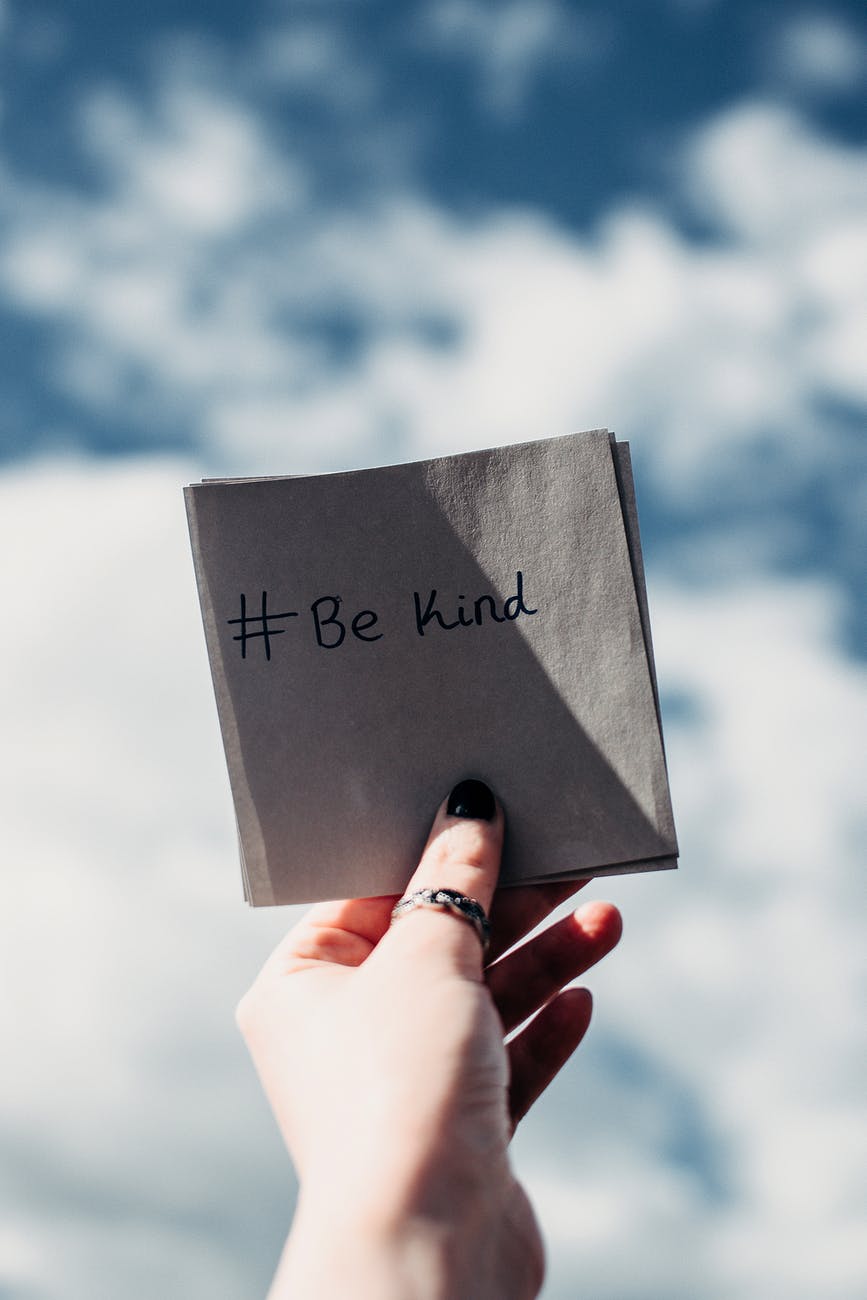
  • Focus on the positive steps – In conversation, focus on the positive steps you or someone else are taking, instead of what they could be doing better. You never truly know what is going on in someone’s head or behind closed doors, and maybe they are facing challenges of their own. But if you support the steps they are taking, they may be more inclined to continue.
  • Praise eco-friendly news stories or events – If such a situation should come up in conversation, praise the sustainable actions. While others may have jumped to make fun of environmentalists etc to keep up social standards, hearing you remain positive may empower others with the confidence to praise environmental actions too.
  • Offer advice – …But without telling someone how to live their life. If someone you are talking to seems willing to engage with sustainability, offer some guidance on how to get started. Whether it’s a tip that worked for you, a website with great tips (stop I’m blushing ☺) or even some practical recommendations, help them with any queries so they can start their own discovery of the sustainable lifestyle.

Communication is key to strong relationships, so let’s not let the planet suffer as a result of our differences. Open up, let others be heard and work out problems together so no one gets left behind.

An Ordinary Human’s Guide To… Recycling ♻

This series hopes to break down key sustainable terms and ideas to make them more accessible for everyone to understand and use to make change. If you are already familiar with these ideas, refresh your mind and use your knowledge, but if this is new to you, read on and learn!

Ah! The bread and butter of sustainability! 👌 But how well do you really know how and what to recycle? Are you partial to ‘wishcycling’ materials you think might be recyclable but don’t know for sure? Or do you just bin stuff on the assumption it can’t be? Let’s try and clear up the murky waters of recycling… (All information for UK – check out your own regional guidelines. Detailed information and pictures of the symbols at https://www.recyclenow.com/recycling-knowledge/packaging-symbols-explained)

  • Green recycle symbol 👍 – The one that we want! This means that this product can be recycled in most local authorities through your local recycling collection. Do follow any added instructions, such as rinsing first to avoid contamination, put lid on (some are too small on their own so can’t be captured by the recycling machine, pop the lid back on for efficient recycling) or remove non-recyclable components such as sleeves.
  • Black recycle symbol 😕 – this one takes a little more thought as it depends on where you live – not all localities recycle in the same way. Sometimes certain materials are collected at specific points, such as plastic bags at supermarkets, so check the logo and the recycling facilities on your weekly shop. Check what can be recycled in your area using the Recycle Now Recycling locator here https://www.recyclenow.com/local-recycling .
  • Black symbol with line through👎 – It’s a no today. These materials are not currently recyclable, so try to avoid buying as many of these as they will most likely end up in landfill.
  • The Green dot (a circle made of two green arrows) 🤔 – This means the producer has made some financial contribution to recycling packaging, however on its own does not guarantee it is 100% recyclable, so look out for its use with other symbols e.g. the green symbol. Bit of a sneaky one…
  • Plastic resin codes – These are found on plastic items, usually a triangle of arrows and some initials. Generally, the lower the number inside the triangle (e.g. 1), the more likely it is to be recyclable, so check to see if used with the green symbol.
  • Mobius loop ♻ – three arrows, indicating that the product is capable of being recycled, and may be accompanied by a percentage showing how much of the packaging is made up of recycled materials.
  • Glass, steel and aluminium 🥫 – These may have their own symbols, either to help you recycle them in the correct recycling container or to let you know if they are made of recycled materials.
  • Compostable 🌿 – A leaf symbol which tells you this can is industrially compostable. Can be added to your local authority garden waste recycling.
  • Home composting 🏡 – Suitable for use in your home compost! Add in the ‘brown layers’ for effective composting.
  • Tidyman – Cannot be recycled, so the best to do is to put this item in the bin to prevent litter.
Photo by Magda Ehlers on Pexels.com

So there we have it! A beginners guide to recycling symbols – in my opinion, not as clear as they can be, but with a bit of understanding will hopefully help you reduce your waste and keep our materials in usage. Make recycling a habit, have clear recycling bins at home that are in easy to access places and with a little practice your waste bin will cease to be the main character. Happy recycling! ♻

The Green Guide: Tip NO.9 – You Are What You Eat

Tips and tricks for making environmentally friendly swaps today!

I don’t know about you, but I am partial to food. You too? Glad you’re here. Earlier in this blog I introduced sustainability in the kitchen, but what about what we are actually eating? What snacks are sustainable and what is a dietary and environmental no-no. Time to dig in… 🥗

  • Plant power – Whether you are vegan, vegetarian or choose to eat meat, increasing your plant based intake has a significant impact on lowering your food carbon emissions. While I don’t advocate for dropping all meat consumption overnight (try reducing slowly over time for longer lasting results), choosing to add more vegetables to your meals, more fruit to your desserts and more plants in your diet will reduce your dependence on high environmental intensity meat products and help you regain your balance in your diet. Start by making one meal at a time more plant based, such as adding vegetables to pasta sauces, then dropping the meat all together from some meals e.g. a vegetable curry. Super yummy and you may find you don’t miss meat as much as you thought. 🥕
  • Palm oil – One of the most well known ‘baddies’ of the sustainable food game. While very efficient as an oil, mass plantations of palm oil monocultures (where only one species is grown, seen in many other products such as soya) have had a disastrous impact on deforestation, especially in many South-Asian communities, such as Borneo. The solution is to either buy from brands/products which has been certified as sustainable, certified by the Roundtable of Sustainable Palm Oil (RSPO https://www.rspo.org/about – if you have 6 mins, watch the video!), reduce your consumption of palm oil containing products, e.g. by making swaps or making yourself, such as with ready meals and convenience foods or writing to companies which use palm oil but are not certified and demanding action ( yes I did once do this with Cadbury’s…………). More details including scorecard with list of sustainably sourced palm oil companies here: https://www.wwf.org.uk/updates/8-things-know-about-palm-oil 🌴
Photo by Cats Coming on Pexels.com
  • Seasonal eating & food miles – Try to choose local and in season foods to your country or region to reduce the distance foods have to travel and the associated carbon emissions. So in the UK, out of season berries in winter wouldn’t be as sustainable as in season apples or using summer berries that had been frozen in the summer in a nice crumble. See what has the British flag on in the supermarket and try local vegetable stores for the freshest seasonal vegetables, as well as researching other foods that are in season that month. 🍽
  • Grow your own – Start a mini veg plot in your garden or balcony and reduce food miles by growing your favourites. Could be herbs, fruit or full allotment vegetable patches – whatever floats your boat!
  • Sustainable seafood – Another example of checking for sustainable certification before buying, as overfishing is having dangerous consequences on our Earth’s biodiversity. Try eating more variety, less intensively and from sustainably farmed sources. 🐟
  • Don’t get trendy – Remember, food trends are just like any other, not around for long, but leave long term impacts in their wake. Avocados, soya, quinoa…………………….. Any food that is suddenly mass produced cannot be sustainable as it uses more land, the farming is more intensive and it can disrupt local food chains. Enjoy, but don’t add extra unnecessary pressure on ‘trendy’ ingredients. 🥑

So there we are – grab a plate and eat up on foods that you know where they have come from, that benefit their environment and that are to be enjoyed without hindering our planet’s future. Bon Appetit! 🍝

An Ordinary Human’s Guide To…Composting

This series hopes to break down key sustainable terms and ideas to make them more accessible for everyone to understand and use to make change. If you are already familiar with these ideas, refresh your mind and use your knowledge, but if this is new to you, read on and learn!

The term ‘composting’ is a fairly common phrase in the environment/gardening sector, but how many of us know how to use one properly, how to create one, or even where to get started? In this post I will endeavour to outline to key steps in building your very own compost heap.

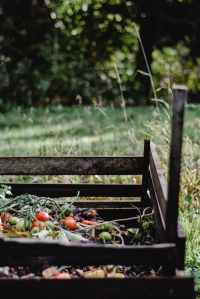
If you have a garden with space for a compost heap, they are a great addition for helping you naturally break down any food/green waste, creating useful compost for future gardening projects and creating habitats for garden wildlife. If you want more in depth guidance, there are many places for information, so do some research and check out these websites https://www.rspb.org.uk/get-involved/activities/nature-on-your-doorstep/garden-activities/startcomposting/ & https://www.wildlifetrusts.org/actions/how-compost-your-waste.

Step 1: Find a spot in your garden which you will dedicate to composting, and build/place a wooden frame style compost bin in the area.

Step 2: Gather your ‘green waste’ e.g. grass clippings and vegetable peelings and ‘brown waste’ e.g. twigs and wood chippings which you are able to compost.

Step 3: Add to your compost frame in layers: Brown – Green – Brown – Green and so on!

Step 4: Once all your material is added, you can cover the top of your compost heap, e.g. with a piece of wood or carpet to keep the heat in and the excess water out.

Step 5: Turn the contents every so often to mix the material, being very very careful not to disturb any inhabitants like hedgehogs or toads.

Step 6: Once all the material has decomposed, the compost can be used in planting and gardening and more material can be added to your pile to continue the cycle.

Photo by Eva Elijas on Pexels.com

Compost friends: 👍

  • Raw fruit and veg peelings
  • Grass cuttings
  • Coffee grounds
  • Tea leaves
  • Compostable packaging and paper

Compost foes: 👎

  • Cooked food
  • Meat
  • Animal poo
  • Non compostable packaging

Get the hang of compost and you can significantly reduce your food waste, will be able to break down compostable packaging e.g. those used around magazines, help your garden flourish and create a home for wildlife. Whether small or big, this is a great activity to help in your sustainability journey and once a habit, will have a great impact on your household’s sustainability efforts. Grab your fork and peelings – let’s compost!

Action this August

A whole year of the Ginger Leaf Living 2020-2021 Calendar of Change reaches its crescendo this August! Hopefully this series has given your sustainability journey a focus for each month and helped you get the most out of each season. But we’re not done yet – let’s see what action you can take this August…..

  • Summer seasonal eating – this August, enjoy feasting on seasonal foods such as aubergines🍆 , runner beans, sweetcorn 🌽 and blackberries . Whether home grown, or bought in the supermarket, choose foods that thrive at this time of year. Summer salads and Harry Styles worthy berries? Yes please! (Full list here: August Seasonal Foods | National Trust)
  • Sign a petition – your single voice can have a huge impact especially when combined with the voices of others. Put it to good use by petitioning for environmental protection as well as social justice. Examples to begin with are the WWF (Sign the petition: Stand Up for Nature | WWF), keeping up to date with Rewilding Britain (100,000 sign to restore nature | Rewilding Britain) and social issues like #Endcyberflashing (http://chng.it/wgTQGXQZX6) and more at Petitions – UK Government and Parliament. Let’s change policies for good!
  • Build a new transport habit – sunny weather, longer days… ah summer! Swap the carbon heavy commute for a cycle or walk, embrace the beautiful summer weather and cut your carbon footprint from transport emissions. Maybe you’ll stick to the habit when autumn rolls around…..
Photo by Travis Rupert on Pexels.com

Happy sustainable summer! Get some sun, see the sea and commit to protecting our environment and each other in the process. Walking to work, home grown salad and the fight for more responsible laws…. pass the lemonade 🍋

Activity – The Big Butterfly Count

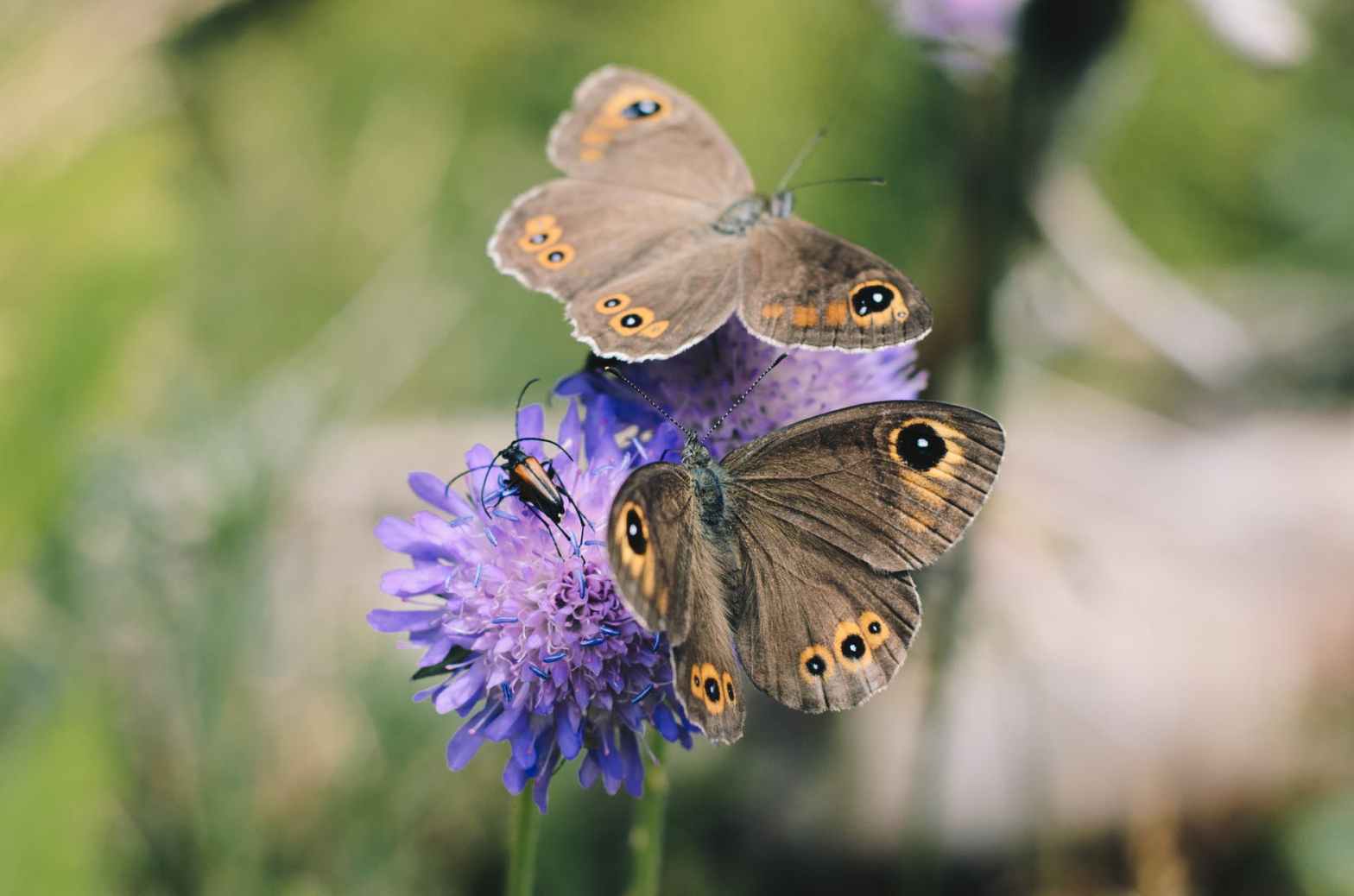
Do your bit for nature and take part in the Big Butterfly Count this summer to help us assess the health of our butterfly populations. Check out all the details here: Big Butterfly Count (butterfly-conservation.org)

From the 16th July – 8th August, record the number of butterflies you see in 15 minutes in your local area, either online or via the app. Your results will be added to a national map to help conservationists identity butterfly strongholds and areas that need support. By focussing on looking for butterflies for 15 minutes, you may find you see more than you expected or learn something new, just by spending the time properly looking at your environment. This activity is also great for children, with a handy built in species key to aid identification and easy to navigate app.

Whether weekend, lunch break or just 15 mins of fresh air, use your time this summer to connect with nature and help contribute to the science and policies that work to protect all our wonderful species. Happy counting! 🦋

Eco-anxiety

Eco-anxiety is a fairly new term which describes someone’s anxious response to the prospect of environmental damage and collapse. This may be something you have experienced, or maybe just something you relate to after reading this post, but hopefully today we can take some positive steps to turn anxiety into action.

I can vividly remember experiencing eco-anxiety when I watched David Attenborough’s A Life On Our Planet on Netflix. During the show, he described what would happen to the world in the decades that followed if we carried on as we are e.g. 2030s, 2040s, 2050s and beyond. The impacts ranged from biodiversity loss, to reduced crop yields, to regular extreme weather events, to severe food shortages, to changes in air quantities. As a young person, this breakdown literally showed me all the catastrophic disasters I would have to face through my life, which I could literally compare with my age. People celebrating their 50th birthday now probably spend their time thinking about parties, cakes and friends, but for my generation these milestones may be focussed more on survival. While watching, I felt physically sick, heart racing, each future prediction like being repeatedly stabbed as my ‘bright future’ I’d always been told about came crashing down. And when the show finished I cried. It had such a huge emotional impact on me, above any sympathetic or sad emotions in the past. Because it felt like it was my problem alone…. Why did no one else do something? Why did no one else care? If we know all the facts, why has nothing changed?

If this is something you can relate to, the headline is, you are not alone in your feelings. Increasing numbers of people, especially the young, feel a sense of panic when they think about the future of our planet (if you want more info, see here: Eco-anxiety: What it is and how to manage it (medicalnewstoday.com)). So here are some of my tips for dealing with eco-anxiety and turning it into positive steps….

  • Change the way you think – I believe the biggest cause of eco-anxiety is feeling helpless and like the entire weight of the problem is on your shoulders. Remember – you alone did not cause the problem and you alone are not the solution. You were not around all those years ago to tell the first industrialised places to keep the fossil fuels in the ground, nor are you responsible for the decisions of nations, large companies and international organisations. You can take responsibility for the changes within your control and sphere of influence, but it is not all on you to find a perfect solution.
  • Be present – they say that if you think too much the past, you get depressed, and if you think too much in the future, you get anxious. So while both are useful, spend more of your energy in the present, improving your life right now, and ease your mind from worrying about situations outside your control.
Photo by Suzy Hazelwood on Pexels.com
  • Take action – the best antidote to feeling hopeless is to do something! Leave the politicians to keep mumbling about empty promises, and take your own action, either as an individual or through local grassroots initiatives. Stop all air flights, ditch the plastic, go vegetarian, write to your MP, recycle….. it’s all waiting for you.
  • Journal – sometimes, no matter how much we do to help, we can still feel very small and lost. Practising journaling when these thoughts arise can help you to understand what triggers them and also allow them the opportunity to be heard, accepted, and then used as positive fuel to continue improving your sustainable journey.
  • Selective news – continue to educate yourself on relevant environmental news and climate change facts, but know when you reach saturation point. If you find yourself being constantly stimulated by the media spreading negative environmental stories, remove yourself for a little while, or read positive stories of change and practical action which you might find more useful.
  • Seek help – if eco-anxiety is something you frequently experience, possibly severely or alongside other mental health issues, speak to someone about it, such as a friend/family member or a health care professional, to help you find the best way of dealing with it for you.

This is your reminder that saving the planet is everybody’s responsibility, not just yours alone, and that it is natural and Ok to grieve for what has already happened. In face of the facts, feeling anxious is a normal response. But know that it is not yet too late, so try not to let the eco-anxiety overwhelm you, and instead channel that energy into ensuring positive change. You are not alone 🥰

Sustainability & Periods

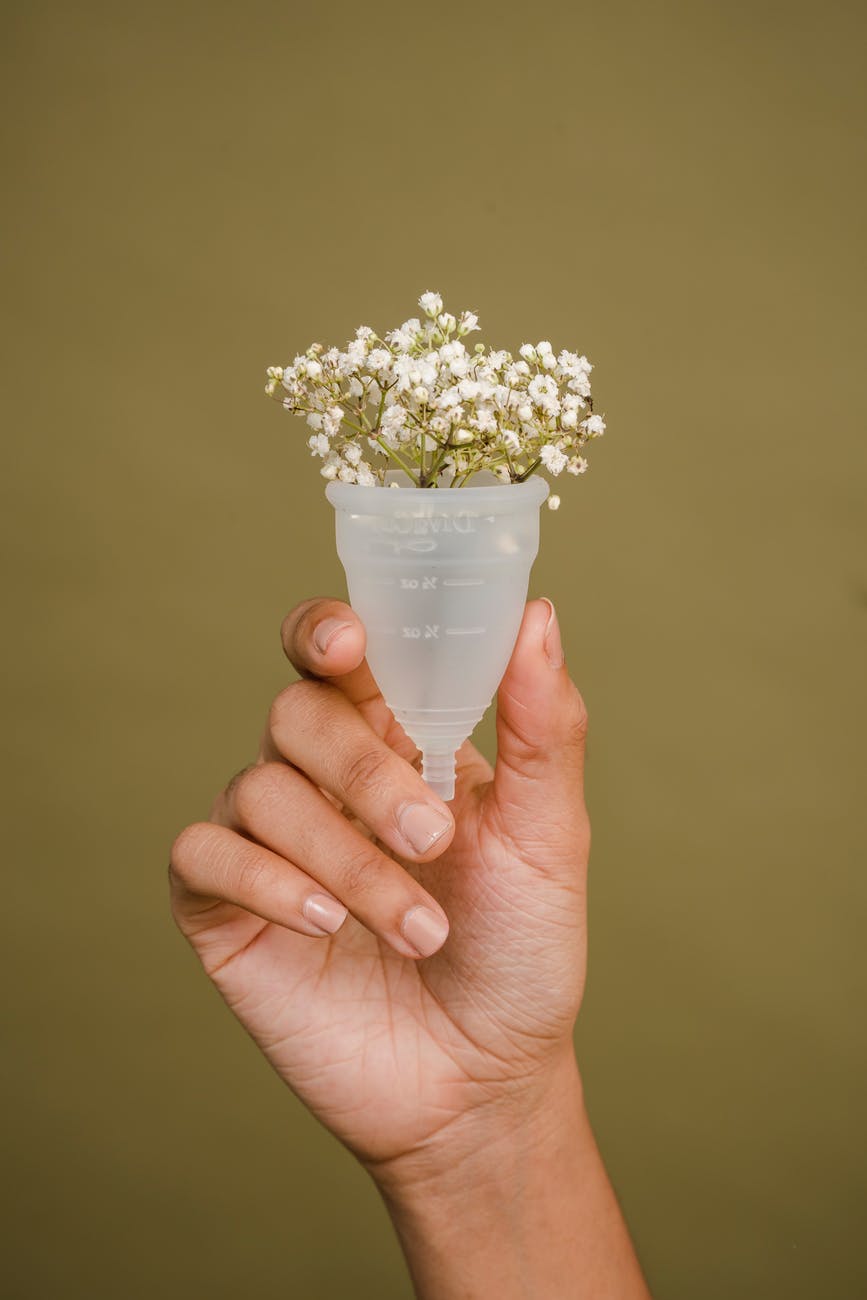
Ah, that old chestnut….. Sure they’re not fun, but for people who have periods getting to grips with making your period more sustainable is an important way of managing your environmental impact.

Heads up! If you do not have a period, don’t just skip this read and do something else – being period aware and knowing how to make them more sustainable is still an important aspect of your sustainability journey and you never know when you may need to help someone else in a different situation to your own.

Having a period currently has a side impact of creating a huge amount of waste. Most menstruation products are disposable, plastic and cannot be recycled, increasing the amount of waste that ends up in landfill and polluting our oceans. For a long time, periods have been a huge taboo in society and rarely talked about, but now with greater awareness about the environmental, economic and health impacts of having a period, more sustainable alternatives are being created. Here are some ideas you could try to make your period a little more environmentally friendly…….

*Note: It is your period and your body, not every idea will work for you and it may take time before you fully convert. For example, you may want to try using a certain alternative menstrual product at home first, or at night, before you feel comfortable and confident enough to wear it out. Even swapping out the disposable products you would have worn at home will make a difference, so be kind to yourself and only do what you are comfortable with ♥

Photo by Alina Blumberg on Pexels.com

Find out more here…..

Hopefully these ideas have given you more thought on how to own your period so that it is a better experience for your body and our planet. Let’s cut the waste and the stigma, and take back the choice over our periods.