This series hopes to break down key sustainable terms and ideas to make them more accessible for everyone to understand and use to make change. If you are already familiar with these ideas, refresh your mind and use your knowledge, but if this is new to you, read on and learn!
The term ‘composting’ is a fairly common phrase in the environment/gardening sector, but how many of us know how to use one properly, how to create one, or even where to get started? In this post I will endeavour to outline to key steps in building your very own compost heap.
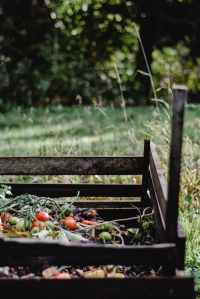
Step 1: Find a spot in your garden which you will dedicate to composting, and build/place a wooden frame style compost bin in the area.
Step 2: Gather your ‘green waste’ e.g. grass clippings and vegetable peelings and ‘brown waste’ e.g. twigs and wood chippings which you are able to compost.
Step 3: Add to your compost frame in layers: Brown – Green – Brown – Green and so on!
Step 4: Once all your material is added, you can cover the top of your compost heap, e.g. with a piece of wood or carpet to keep the heat in and the excess water out.
Step 5: Turn the contents every so often to mix the material, being very very careful not to disturb any inhabitants like hedgehogs or toads.
Step 6: Once all the material has decomposed, the compost can be used in planting and gardening and more material can be added to your pile to continue the cycle.
Get the hang of compost and you can significantly reduce your food waste, will be able to break down compostable packaging e.g. those used around magazines, help your garden flourish and create a home for wildlife. Whether small or big, this is a great activity to help in your sustainability journey and once a habit, will have a great impact on your household’s sustainability efforts. Grab your fork and peelings – let’s compost!
A whole year of the Ginger Leaf Living 2020-2021 Calendar of Change reaches its crescendo this August! Hopefully this series has given your sustainability journey a focus for each month and helped you get the most out of each season. But we’re not done yet – let’s see what action you can take this August…..
Summer seasonal eating – this August, enjoy feasting on seasonal foods such as aubergines🍆 , runner beans, sweetcorn 🌽 and blackberries . Whether home grown, or bought in the supermarket, choose foods that thrive at this time of year. Summer salads and Harry Styles worthy berries? Yes please! (Full list here: August Seasonal Foods | National Trust)
Build a new transport habit – sunny weather, longer days… ah summer! Swap the carbon heavy commute for a cycle or walk, embrace the beautiful summer weather and cut your carbon footprint from transport emissions. Maybe you’ll stick to the habit when autumn rolls around…..
Happy sustainable summer! Get some sun, see the sea and commit to protecting our environment and each other in the process. Walking to work, home grown salad and the fight for more responsible laws…. pass the lemonade 🍋
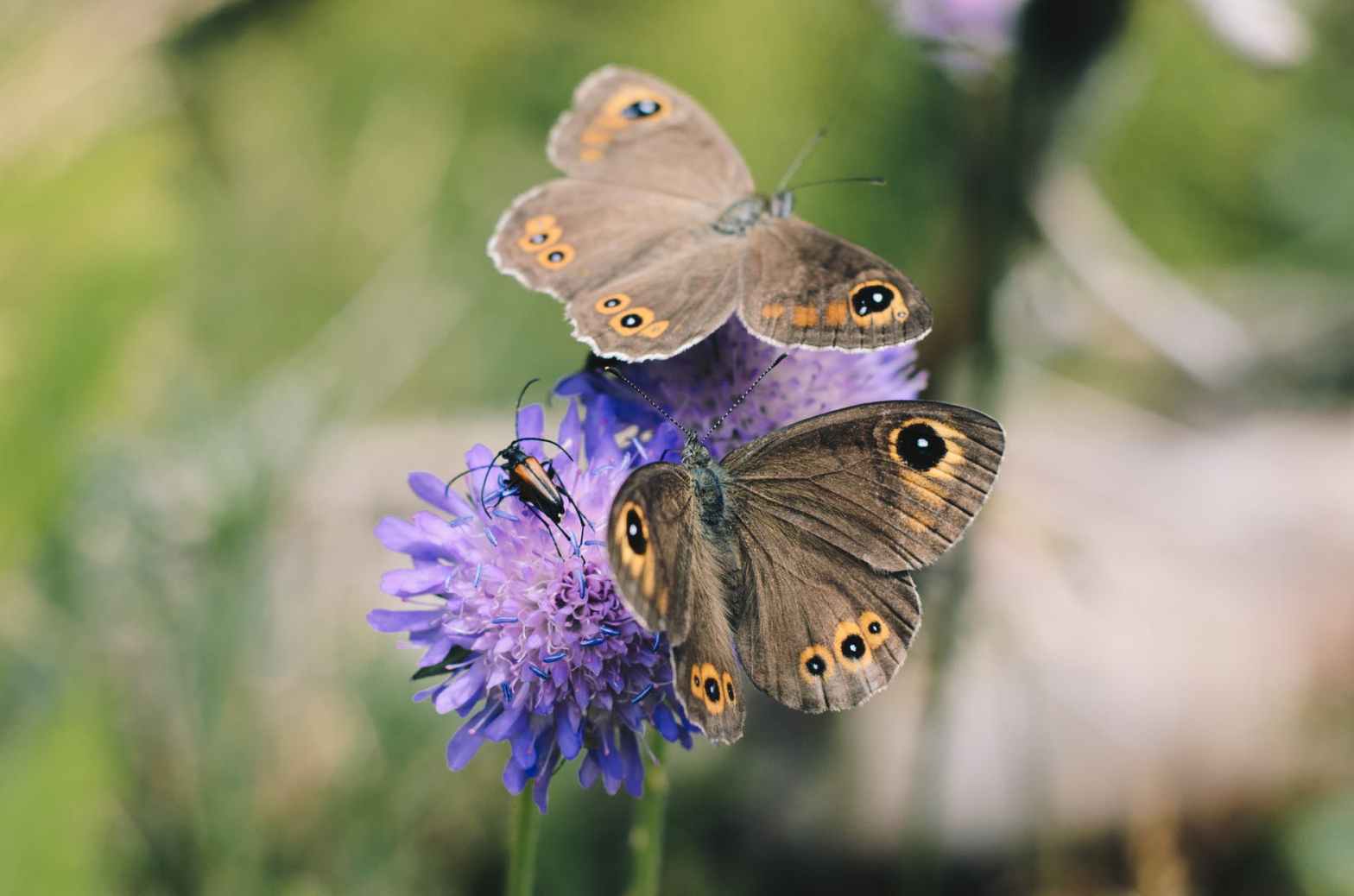
Do your bit for nature and take part in the Big Butterfly Count this summer to help us assess the health of our butterfly populations. Check out all the details here: Big Butterfly Count (butterfly-conservation.org)
From the 16th July – 8th August, record the number of butterflies you see in 15 minutes in your local area, either online or via the app. Your results will be added to a national map to help conservationists identity butterfly strongholds and areas that need support. By focussing on looking for butterflies for 15 minutes, you may find you see more than you expected or learn something new, just by spending the time properly looking at your environment. This activity is also great for children, with a handy built in species key to aid identification and easy to navigate app.
Whether weekend, lunch break or just 15 mins of fresh air, use your time this summer to connect with nature and help contribute to the science and policies that work to protect all our wonderful species. Happy counting! 🦋
Eco-anxiety is a fairly new term which describes someone’s anxious response to the prospect of environmental damage and collapse. This may be something you have experienced, or maybe just something you relate to after reading this post, but hopefully today we can take some positive steps to turn anxiety into action.
I can vividly remember experiencing eco-anxiety when I watched David Attenborough’s A Life On Our Planet on Netflix. During the show, he described what would happen to the world in the decades that followed if we carried on as we are e.g. 2030s, 2040s, 2050s and beyond. The impacts ranged from biodiversity loss, to reduced crop yields, to regular extreme weather events, to severe food shortages, to changes in air quantities. As a young person, this breakdown literally showed me all the catastrophic disasters I would have to face through my life, which I could literally compare with my age. People celebrating their 50th birthday now probably spend their time thinking about parties, cakes and friends, but for my generation these milestones may be focussed more on survival. While watching, I felt physically sick, heart racing, each future prediction like being repeatedly stabbed as my ‘bright future’ I’d always been told about came crashing down. And when the show finished I cried. It had such a huge emotional impact on me, above any sympathetic or sad emotions in the past. Because it felt like it was my problem alone…. Why did no one else do something? Why did no one else care? If we know all the facts, why has nothing changed?
If this is something you can relate to, the headline is, you are not alone in your feelings. Increasing numbers of people, especially the young, feel a sense of panic when they think about the future of our planet (if you want more info, see here: Eco-anxiety: What it is and how to manage it (medicalnewstoday.com)). So here are some of my tips for dealing with eco-anxietyand turning it into positive steps….
Change the way you think – I believe the biggest cause of eco-anxiety is feeling helpless and like the entire weight of the problem is on your shoulders. Remember – you alone did not cause the problem and you alone are not the solution. You were not around all those years ago to tell the first industrialised places to keep the fossil fuels in the ground, nor are you responsible for the decisions of nations, large companies and international organisations. You can take responsibility for the changes within your control and sphere of influence, but it is not all on you to find a perfect solution.
Be present – they say that if you think too much the past, you get depressed, and if you think too much in the future, you get anxious. So while both are useful, spend more of your energy in the present, improving your life right now, and ease your mind from worrying about situations outside your control.
Take action – the best antidote to feeling hopeless is to do something! Leave the politicians to keep mumbling about empty promises, and take your own action, either as an individual or through local grassroots initiatives. Stop all air flights, ditch the plastic, go vegetarian, write to your MP, recycle….. it’s all waiting for you.
Journal – sometimes, no matter how much we do to help, we can still feel very small and lost. Practising journaling when these thoughts arise can help you to understand what triggers them and also allow them the opportunity to be heard, accepted, and then used as positive fuel to continue improving your sustainable journey.
Selective news – continue to educate yourself on relevant environmental news and climate change facts, but know when you reach saturation point. If you find yourself being constantly stimulated by the media spreading negative environmental stories, remove yourself for a little while, or read positive stories of change and practical action which you might find more useful.
Seek help – if eco-anxiety is something you frequently experience, possibly severely or alongside other mental health issues, speak to someone about it, such as a friend/family member or a health care professional, to help you find the best way of dealing with it for you.
This is your reminder that saving the planet is everybody’s responsibility, not just yours alone, and that it is natural and Ok to grieve for what has already happened. In face of the facts, feeling anxious is a normal response. But know that it is not yet too late, so try not to let the eco-anxiety overwhelm you, and instead channel that energy into ensuring positive change. You are not alone 🥰
Ah, that old chestnut….. Sure they’re not fun, but for people who have periods getting to grips with making your period more sustainable is an important way of managing your environmental impact.
Heads up! If you do not have a period, don’t just skip this read and do something else – being period aware and knowing how to make them more sustainable is still an important aspect of your sustainability journey and you never know when you may need to help someone else in a different situation to your own.
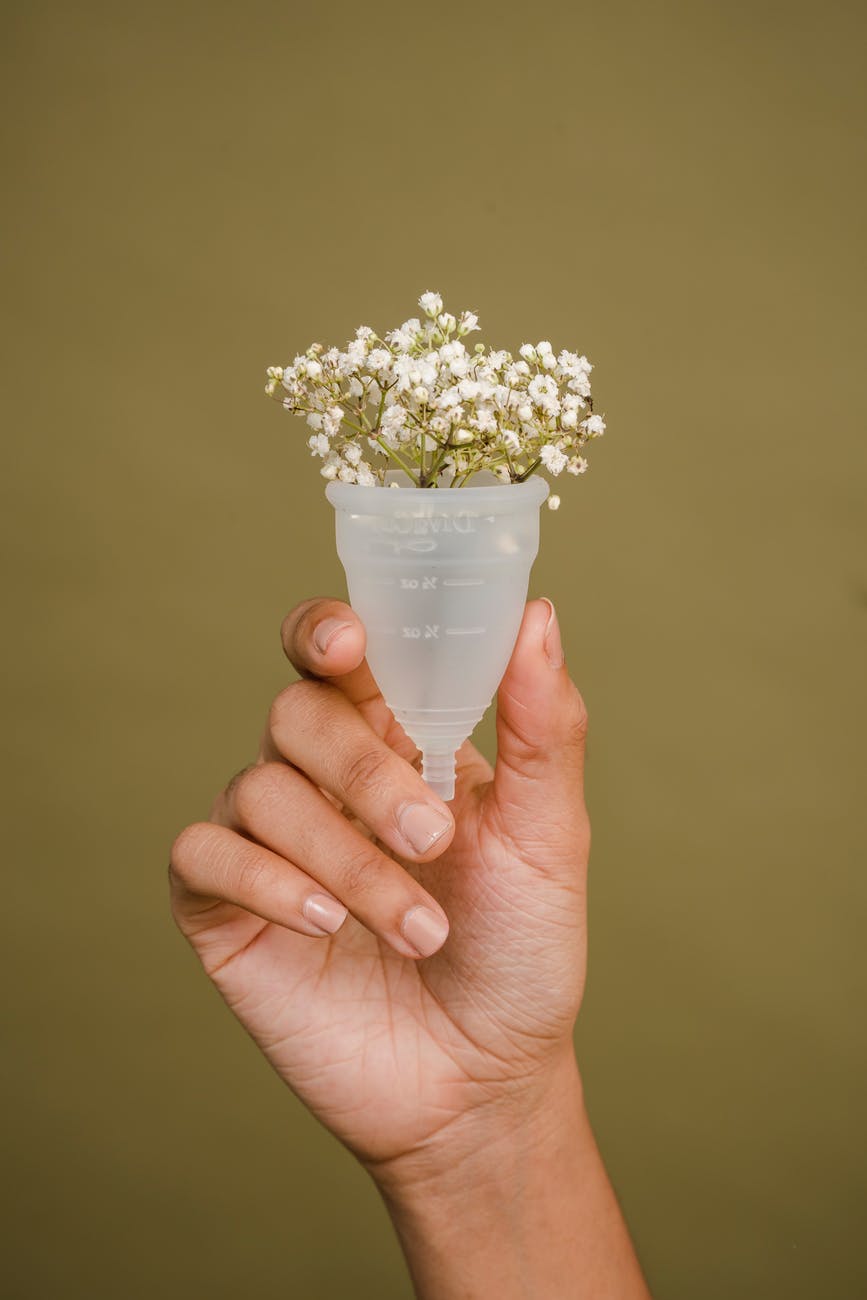
Having a period currently has a side impact of creating a huge amount of waste. Most menstruation products are disposable, plastic and cannot be recycled, increasing the amount of waste that ends up in landfill and polluting our oceans. For a long time, periods have been a huge taboo in society and rarely talked about, but now with greater awareness about the environmental, economic and health impacts of having a period, more sustainable alternatives are being created. Here are some ideas you could try to make your period a little more environmentally friendly…….
*Note: It is your period and your body, not every idea will work for you and it may take time before you fully convert. For example, you may want to try using a certain alternative menstrual product at home first, or at night, before you feel comfortable and confident enough to wear it out. Even swapping out the disposable products you would have worn at home will make a difference, so be kind to yourself and only do what you are comfortable with ♥
Don’t flush! – Never flush sanitary products down the toilet. These items cause sewer blockages which can mean that some items escape the system and end up in the sea, beaches etc….
Tampliners – if you find yourself having to double up on products and create double the waste, then these two-in-one products from calla.ly might be for you (About organic cotton tampliners | Callaly period products). Less waste and more comfort.
Hopefully these ideas have given you more thought on how to own your period so that it is a better experience for your body and our planet. Let’s cut the waste and the stigma, and take back the choice over our periods.
What time is it? Summer time! ☀ Let’s start our summer of sustainability in style, whether you go full eco girl summer, swap for a staycation or are just starting your sustainability journey – all are welcome here! July, let’s go!
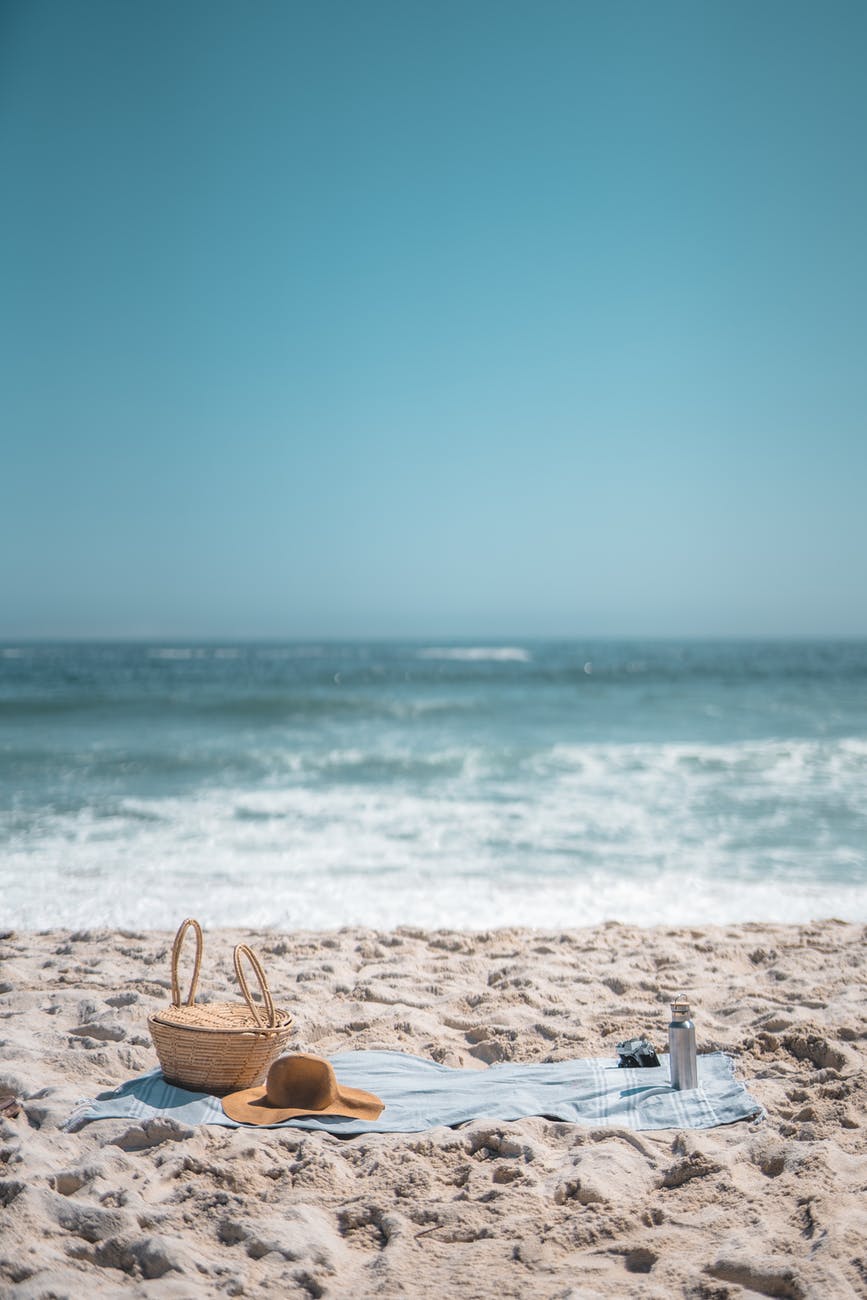
Waste free picnics – the ultimate summer with friends activity, but make it sustainable. The vision: cute rug, yummy seasonal food in reusable containers, reusable cutlery and good company. Single use plastic and litter not invited. 🧺
Take advantage of light summer evenings by turning off energy intensive appliance e.g. the TV, heating and lights to spend time in nature. Potter in the garden, stroll in the park or mini cycle ride, ditch the tech and reconnect with the great outdoors.
Sustainable summer 2021 starts right here 🌞Enjoy the sun, nature and environment responsibly, consciously and with kindness to ensure everyone this and every year can enjoy the joys of summer.
This series hopes to break down key sustainable terms and ideas to make them more accessible for everyone to understand and use to make change. If you are already are familiar with these ideas, refresh your mind and use your knowledge, but if this is new to you, read on and learn!
The 2030 Sustainable Development Goals are a group of 17 goals created by the UN that we as a planet are working towards to create a more sustainable future by 2030. While for many people, these policies and targets are merely for the work of politicians, I think it is important to have an individual understanding of the goals, both for keeping track of your own sustainable development and also keeping your country accountable for the progress it is making, wherever you may be. Also because relying on politicians doesn’t normally provide solutions….. 🙄
In this post, I will provide some very quick thoughts on each goal, on a global and individual level, to help you better understand what goals you can be working towards in your everyday life as well as on a wider scale to create a happier and healthier planet. If you want more information on the goals, feel free to do your own research as well (More info and quick video here: THE 17 GOALS | Sustainable Development (un.org))
2030 SDGs infographic (Credit: UN)
No Poverty 🏡
World: Tackling all forms of poverty everywhere by implementing sustained and secure policies (quite a big one)
You: Doing what you can to alleviate the effects of poverty in your area e.g. donating to grassroots initiatives, donating food/products to those in most need and being there for people struggling in your area.
2. Zero Hunger 🥣
World: Ending world hunger and promoting sustainable agriculture
You: Reduce you food wastage, buy local, support sustainable farming systems ad donate to local food banks if you can.
3. Good Health & Wellbeing 🩺
World: Promoting healthy lives through disease prevention and good healthcare practices
You: Lead healthy lives and keep yourself well by eating nutritional meals, following healthcare advice including getting the right medicines/vaccinations, exercising and finding ways you can personally look after your mental health so that you are in a healthy place to go on to help others.
4. Quality Education 🎒
World: Ensuring inclusive and equal access to education for all
You: Supporting education initiatives, making use of lifelong learning and being open to continually learning throughout your life.
5. Gender Equality ❤
World: Achieve gender equality and empower all women and girls
You: Educate yourself on different gender issues, be an ally, be respectful, act consensually, make space for women and challenge any unconscious biases you may have around gender.
6. Clean Water & Sanitation 💧
World: Ensure sustainable water usage and sanitation for all
You: Reduce water usage and wastage, become more water efficient and maintain high levels of sanitation to promote healthy lives.
7. Affordable & Clean Energy 🔌
World: Access to reliable and sustainable energy resources for all
You: Switch your energy supplier to renewable energy, become more energy efficient and waste less energy
8. Decent Work & Economic Growth 💰
World: Secure decent employment for all while ensuring economic development is sustainable
You: Invest in companies/stocks that prioritise the planet, practice sustainable economic activities e.g. ecotourism and be more conscious about what you do with your money.
9. Industry, Innovation & Infrastructure 🏙
World: Build resilient infrastructure and encourage sustainable innovation solutions
You: Adopt sustainable business policies, be innovative e.g. create your own sustainable small business and encourage a new way of thinking.
10. Reduced Inequalities 🧕🧑🏿👩🦽
World: Reduce inequalities within and amongst countries
You: Be open to educating yourself on different inequalities be it in regards to race, disability, income, age or background and work on creating a more inclusive community in your area.
11. Sustainable Cities & Communities 🌆
World: Make cities, urban areas and human settlements safer and more sustainable
You: Increase and protect nature in these areas, reduce your air pollution and pick more sustainable options of transport etc.
12. Responsible Consumption & Production 🛒
World: Move to more sustainable practices of production and consumption.
You: Recycle everything you can, reduce the amount you consume, reduce waste and reduce your dependence on high consumption goods such as fast fashion.
13. Climate Action 🌎
World: Commitment to limit global warming to 1.5oC and take urgent action to combat the impacts of climate change e.g. deinvestment in fossil fuels
You: Drastically reduce your carbon footprint by halting carbon intensive activities such as flying, eating excessive amounts of meat and burning fossil fuels
14. Life Below Water 🌊
World: Conserve the oceans, seas and marine resources and encourage their use sustainably
You: Reduce use of polluting single use items/plastic, reduce consumption of unsustainable fish and marine products and use our oceans in a respectful and conscious way.
15. Life On Land 🏞
World: Protect and restore terrestrial ecosystems and combat deforestation, desertification and biodiversity loss
You: Reduce use of polluting single use items/plastic, protect your local nature patches, rewild your garden and local areas, plant native trees and plants, restore habitats for wildlife, reduce damaging activities e.g. strimming and support sustainable activities.
16. Peace, Justice & Strong Institutions 🕊
World: Build effective, accountable and inclusive institutions at all levels in society
You: Using your human rights wherever you are to stand up for justice, encourage free speech and be respectful.
17. Partnerships For The Goals 🤝
World: Create global partnership to ensure implementation of the goals
You: Work with local grassroots projects e.g. nature groups, local councils, include everyone from all levels, spread awareness about sustainability and be a global citizen
We made it!!! If you made your way through all of that, well done my friend! Now when you are goal planning, you can identify which of your own goals aligns with on of these 2030 SDGs. For example: reducing plastic use ( Goals 12, 14 & 15) or joining a volunteer group for vulnerable people in your community (Goals 10 & 17). There are many targets and policies within these goals that governments can measure success by, but as an individual, these may be useful for checking in every once in a while and seeing if you can progress year on year to living sustainably by 2030. Grab those goals and good luck!
Climate change, to many, is an inconvenient truth. It inconveniences businesses, lifestyles and future plans. It makes us change the way we live however comfortable and happy we may be with our lifestyle, and its research is both scary and uncomfortable to confront. It makes us question our decisions now, actions taken in the past, as well as what the future holds. But maybe we should be questioning – why do we need everything in life to be convenient?
When I think of convenience, I think of convenience food: its quick, simple to cook and eat, and takes very little thought. I’m sure many of us have turned to this before when we are in a rush or have had a very long day. And sustainable solutions work in a very similar way: it is simply more convenient to throw items in the bin than sort the recycling, it is much easier to start up your own car than use public transport and it is simpler to carry on doing what you know than change. But life will not be more convenient if we carry on this way – inconvenience will come from rising sea levels, more extreme weather, a lack of food producing land (and therefore food) and overpopulation, which you could say is more inconvenient to your morning than putting that empty milk bottle in the right recycling bin. Just saying……
Though in relation to a different topic discussing the different genders, I heard a woman say something recently which I think really helps in this area:
“Just because something is difficult, does not mean its not worthwhile”
Just because something is difficult to understand, or difficult to change, or you just don’t succeed at the first attempt, does not mean that it is not worthwhile continuing, or trying again, or giving up. If living sustainably and without carbon was an easy task we would have been doing it for ages.
So how can you confront inconvenience? Here are a few thoughts to consider……
Change your thinking – stop viewing an inconvenience negatively, and instead explore it with curiosity. For example, if you were feeling upset that you couldn’t eat a meat burger every week, if there a vegetarian alternative you could try that you actually might really like? Are these changes actually as scary and annoying to implement as you once thought? P.S. Halloumi burgers 👌
Who does it actually inconvenience? – Are you just thinking about the consequences on yourself? What about your family, wildlife, or people on the other side the world that you may never meet, but are impacted by your actions? For instance, sure it might be quicker and easier to scroll through Amazon when you need something, but could you support a small, sustainable business but just taking a bit more time to research other options?
Extend your timeframe – it is easy to get caught up in the here and now and choose convenient short term options, but when we are engaging with sustainability and climate change solutions, we need to look into the long term to ensure our actions really are sustainable in the direct sense of the word and will be for future generations. E.g. will future generations be able to fly by aeroplane like we do now? Most likely not, so lets change now for an easier future.
Confront habits – I believe sustained action comes from positive habits. Acknowledge some of your unhelpful habits such as throwing items in the waste bin by default, driving to locations within walking distance or being wasteful with certain products. Then actively work on forming new habits, so for this example, taking a moment to choose the correct recycling bin, choosing to walk somewhere or being mindful of how much product you use. You may wish to journal or track your progress, and after a bit new, positive and sustainable habits should arise!
Hopefully this has helped you identity where in your thinking limits your sustainable journey. I do not use the word ‘journey’ to be cheesy, but to remind you that becoming more sustainable does take some time and won’t happen straight away, so be patient and keep going, knowing that the change you are trying to make will be important and worthwhile. ❤
As the days get warmer and the sun comes out, now is the perfect time to remind and reset your sun protection routine, for both your own health and that of the planet.
For those people who need to hear it – sun care is so important! I was that kid that hated putting on sun cream, but after some somewhat scary education as a teenager, it is now a vital part of looking after my skin. If you want more health information, take a look here (Sunscreen and sun safety – NHS (www.nhs.uk)). No one is too ‘cool’ for serious skin disorders and health problems, so be like Baz and wear your sun cream!
Health preach over, its time for the sustainability part. While sun cream is crucial for us humans to wear, some can have a negative impact on our environment. Some products contain ingredients that have harmful effects on our already fragile coral reef ecosystems, and can be polluting once in the ocean. Lotions containing ingredients such as oxybenzone, octinoxate, Octocrylene and nano-particles should be avoided as these are the worst offenders for harming our oceans and reefs.
So here is what to look out for next time you buy a bottle…..
Reef-friendly symbol – look out for packaging that complies with the Hawaiian Reef Bill, to ensure the product really is reef safe and not just using the symbol as part of greenwashing marketing. If unsure, check the ingredients list. These sun creams should not contain the harmful oxybenzone or octinoxate chemicals. Look out for BASF accreditation from EcoSun Pass (basf.com) which scores sun creams on how sustainable they are.
Water resistant formulas – if you are planning on swimming in the sea or other natural water sources, wearing extra water resistant formulas can help reduce the amount of product that ends up coming off your skin and polluting the water. Try Kids Swim & Play Sun Lotion SPF50+ | Sunscreen | NIVEA
So this summer, stay safe, stay protected and also protect our environment by limiting harmful chemicals, keeping our oceans clean and minimising plastic waste in your sun care routine. If its important enough for Baz, its important enough for you to go and protect yourself right now. So cover up and enjoy the sun safely! ☀
Summer is finally showing its face, the sun is coming out and its time for action! ☀ The month of June marks The Wildlife Trust’s 30 Days Wild campaign (more info in previous blog post), so to help you get more wild this month, here are a few tips for improving your connection with nature and the environment this month…..
Attempta plastic-free day – a very tricky challenge! Choose a day in June to commit to not using any plastic during your day. This could apply to food e.g. plastic packaging, beauty products or any other items in your day. Chances are, this will be quite a hard thing to do, but hopefully will get you thinking where in your life you use unnecessary plastic that you could swap out, such as disposable bags for reusable ones, and where plastic may be the best option if reused many times, such as refillable tubs or containers.
My 30 Days Wild activity pack – all ready to go! ⛅
Join a citizen science experiment – get involved in helping scientists and decision-makers make better choices about conservation and sustainability by participating in citizen science projects. There are loads to choose from, including a few recent ones like The Bugs Matter Survey ( take part here: Bugs Matter | Buglife) and regional projects which you can find here (Citizen science projects | The Wildlife Trusts). Get involved, provide data and help us build a better understanding of our environment so we can better protect it.
Find and read a wild poem, book or blog 👀 – get yourself a nature based read, either online (*cough cough*) or in paper form, find a sunny outdoor spot, and immerse yourself in nature, both by learning how to care for it and also experiencing it around you. You could maybe incorporate some wild reading time into your lunch break, your evening or even your breakfast.
This June, find joy in committing random acts of wildness each day, and you may find that not only does the environment around you prosper, you feel better as well. Go wild!








 Ginger Leaf Living