August’s Top Tip

This month…………………….. Use your voice and get involved in petitions that matter to you!

Freedom of speech is one of the most important tools we have in fighting for climate justice. If those in power don’t know what we as citizens want and don’t have the pressure to act, then change will never get the momentum to happen. If you live in a place where it is safe to use your voice and lobby for change, make use of this right to let our politicians know what is important to us outside of election season and help create laws and policies for a better world.

In this modern age, it is now easier than ever to make a stand. In person marches and peaceful protests are always an important part of our freedom of speech for actively engaging people face to face, so if you have an event nearby you can attend why not give it a go this summer? As well as raising awareness and putting pressure on those in power to do more, you have the opportunity to meet others passionate about curbing climate change and building a sustainable future.

However, if you can’t get to protests due to location/travel, or even if you can attend in person protests, use this August to get familiar with online petitions. Petitions have been and continue to be an integral part of changing policies and our society, whether in regards to the environment, social issues or matters local to you. Sites such as Change.org , 38 degrees and government petitions (https://petition.parliament.uk/) are available online and easy to use, simply browse petitions and support those that matter to you, whether that’s further climate action, banning disposable BBQs or allowing girls to play football at school. Something you think is missing? You can use these sites to start your own petition – set up, share, and aim to get a government response and parliamentary debate. From one voice to a wave of change.

If you allow these sites to contact you by email, it is even easier to check on new petitions relevant to you and get your signature down quickly. You can use your influence to drive change nationally, globally or equally as important, on a local scale, by petitioning your local council to make a better environment where you are.

One voice is not too small to make a difference. Use the structures available to you to join with others and raise awareness of issues to others and our governments. From the comfort of your summer deckchair, with a click you can keep demanding change. Social and environmental justice doesn’t take a summer break ☀🌴🍦

Short term Vs Long term

If you have been in the UK or Western Europe this last month, how many emails and messages have you had along the lines of:

“Hope you’ve been enjoying the warmer weather!”

“Hope everyone had a nice weekend in the sun!”

“Hope everyone survived the heatwave :)”

National emergencies were called, wild fires consumed huge areas on the European continent and many heat related deaths were recorded. And yet now its over its looked back on, at least in my home country of the UK, as some pleasant summer event. The same day, TV adverts for high carbon activities such as cruises and long haul flights were still being promoted, even as destruction was taking place. This recent event led me to think about how the climate crisis is understood by framing it in the short and long term.

Traditionally, we humans have needed to focus on the short term in order to survive, there’s no good planning for the future if you don’t know what you’re going to eat tonight. But with climate change this threatens our ingrained survival thinking, because the long term is how we will survive. Our way of thinking is holding us back. So while many may will see the recent heatwave as a one off, a hot couple of days but otherwise a fluke that is nothing to worry about, the science has been warning us of this for years. What we have experience this summer, just like the floods of the last decade and the pandemic, are just a tiny teaser of what will be to come if emissions of greenhouse gases do not drastically reduce soon. Its more than an email greeting, its a warning.

Photo by Jessica Lewis Creative on Pexels.com

So more gloom, because we are all doomed? It is true that planet Earth is not happy – 40 degrees in the UK is not natural. But this is just the beginning. We all know if any object is rolling down a hill it is easier to stop it near the top rather than halfway when it is more difficult to break its momentum. So we can’t afford to brush off the short term and wait for the next emergency to be declared. We have to retrain our brains to see the bigger picture and the long term trends, understand our current state in that path and make the necessary changes now to fix it.

This idea is true of a lot of current society. As a species we are losing our ability to create and listen to our own thoughts. We spend our lives following the rules of others and scrolling our phones until even 30 second videos are too long for our attention span, until we lose the ability to have our own unique thoughts. The people we vote in to lead us have no long term plans because they only create policies to see them to the next election, which even if they keep the jobs means only a few years of (debateable) stability.

The system no longer works. This post didn’t intend to start a guerrilla campaign, but the truth is to tackle the huge issues of our time, we have to think bigger than us and than today. You, the person reading this, have the power in that little brain of yours to think up big ideas and solve big problems. You don’t have to be like them. Break the cycle. So turn down the structures dumbing you down, you don’t need the things in the adverts, you aren’t a manufactured worker for your political leader, and you can see a future beyond today. If we stand the chance of having a lifespan similar of older generations today, then we must be forward thinkers and refuse those not joining us. Are you in?

Is Earth now your idea of a perfect planet? Destruction, war, inequalities….? Or do you think we can do better?

Action now, a life worth living later.

July’s Top Tip

This month……………..Boost your waste-free journey by taking part in Plastic Free July

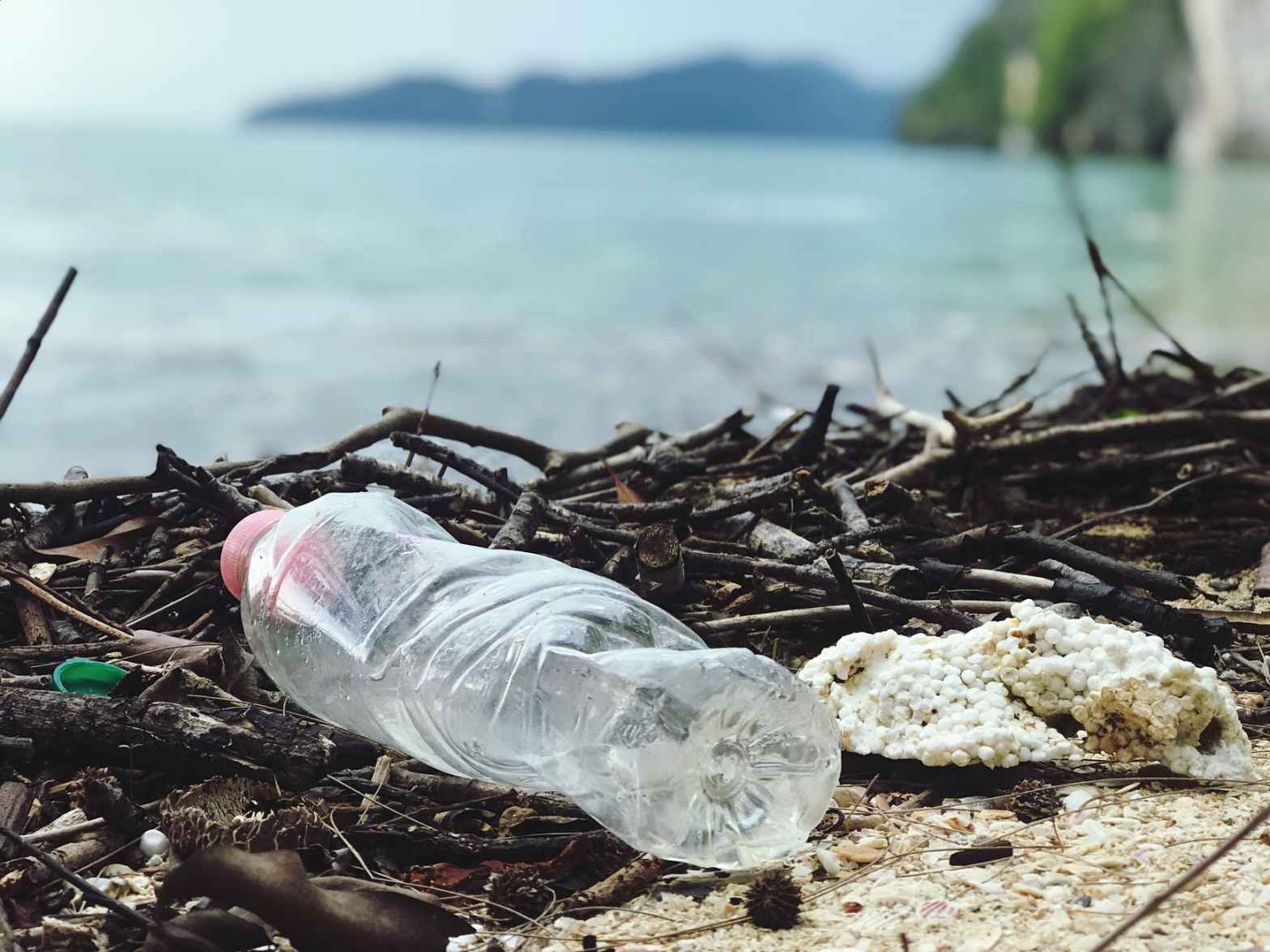
In connection with the climate crisis, I think most people today are equally aware of the impact of plastic pollution on the planet we inhabit. Taking years and years to break down, being ingested by living things including humans, trapping wildlife and ruining natural landscapes, plastics don’t do a whole lot of good for the environment. If used over and over again for in our lifetimes, plastic can be a very efficient and low emitting material if kept in use, but to reduce the impact of plastic pollution, we need to seriously reduce the amount of single-use plastic we consume. We know all this, right? So if you need some extra help making the transition, Plastic Free July is what you need…..

Launched by the Plastic Free Foundation, Plastic Free July is a campaign to help us all identify where we add to the problem and where we can be part of the solution. You can start by signing up to this month’s challenge, and then take their quiz to better understand your own plastic habits. Instant ideas for a plastic free life you can implement this month include:

  • Buying/using reusable on the go items like water bottles, coffee cups and straws
  • Properly recycling plastic products, like clothes or packaging, to avoid plastic in landfill or as litter
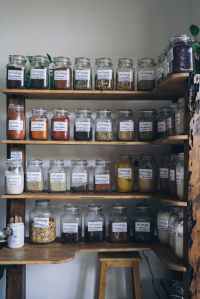
  • Locate your nearest waste-free/refill shop and take refillable containers for your food and household needs – makes a very aesthetic cupboard set up too!
Photo by Anna Tarazevich on Pexels.com

Just reducing your plastic consumption will not solve all environmental problems, but it is definitely a step we need to take alongside our carbon neutral and sustainability goals. Signing up to this campaign this July should help give you some useful ideas and motivation around reducing your plastic use so that as a collective we can cut our society’s addiction to plastic and leave our natural world in a better shape 🌍

June’s Top Tip

This month………….. Make summer work for you and the planet by ditching the tumble drier!

One of the biggest carbon emitting energy behaviours in our homes comes from drying our clothes using a tumble drier. The energy needed to heat the air and dry your clothes makes this activity one of the worst for the planet in our home lives. So make the most of the more frequent sunny and dry weather and get your washing lines up and air dry your clothes outside. Even when the weather is not so great, using a clothes horse to air dry your clothes in a sunny, dry or ventilated indoor spot can do the job too. The numbers – swapping from the tumble drier to air drying can save on average 93Kg Co2 e/year, but depending on how frequently you need your clothes drying, this saving could range from 5- to an impressive 691Kg Co2 e/year, making it one of the best swaps you can make in your home. So the next time your tumble drier gives up, don’t bother replacing it if you can and make use of line drying when the weather allows and strategic air drying using already heated spaces in the colder months.

Photo by Airin Party on Pexels.com

Other benefits to line drying include increasing your time outside doing something physical – hang out the laundry and spend ten minutes listening to the birdsong and garden sounds, you may find it a nice calming activity to break up the day with. It can also be beneficial to your clothes too, as the UV rays from sunlight are said to have a disinfecting effect on laundry, as well as allowing it to air naturally (https://www.thespruce.com/reasons-to-line-dry-laundry-2145997). You could also reduce your energy bills by ditching another piece of high energy consumption equipment. Of course, if it still has use, either use your drier to the end of its natural life or recycle, please do not landfill even if you are ready to live without it.

So when you open the curtains and see the sun is shining, take a few quiet minutes outside to line dry your laundry and enjoy clothes dried naturally which haven’t cost the Earth 👕🍃

GLL Book Club: How bad are bananas? by Mike Berners-Lee

Welcome to the Ginger Leaf Living Book Club! 📚 So pick a comfy spot, a mug of something hot and dive into our pick of the best books to help you on your sustainability journey.

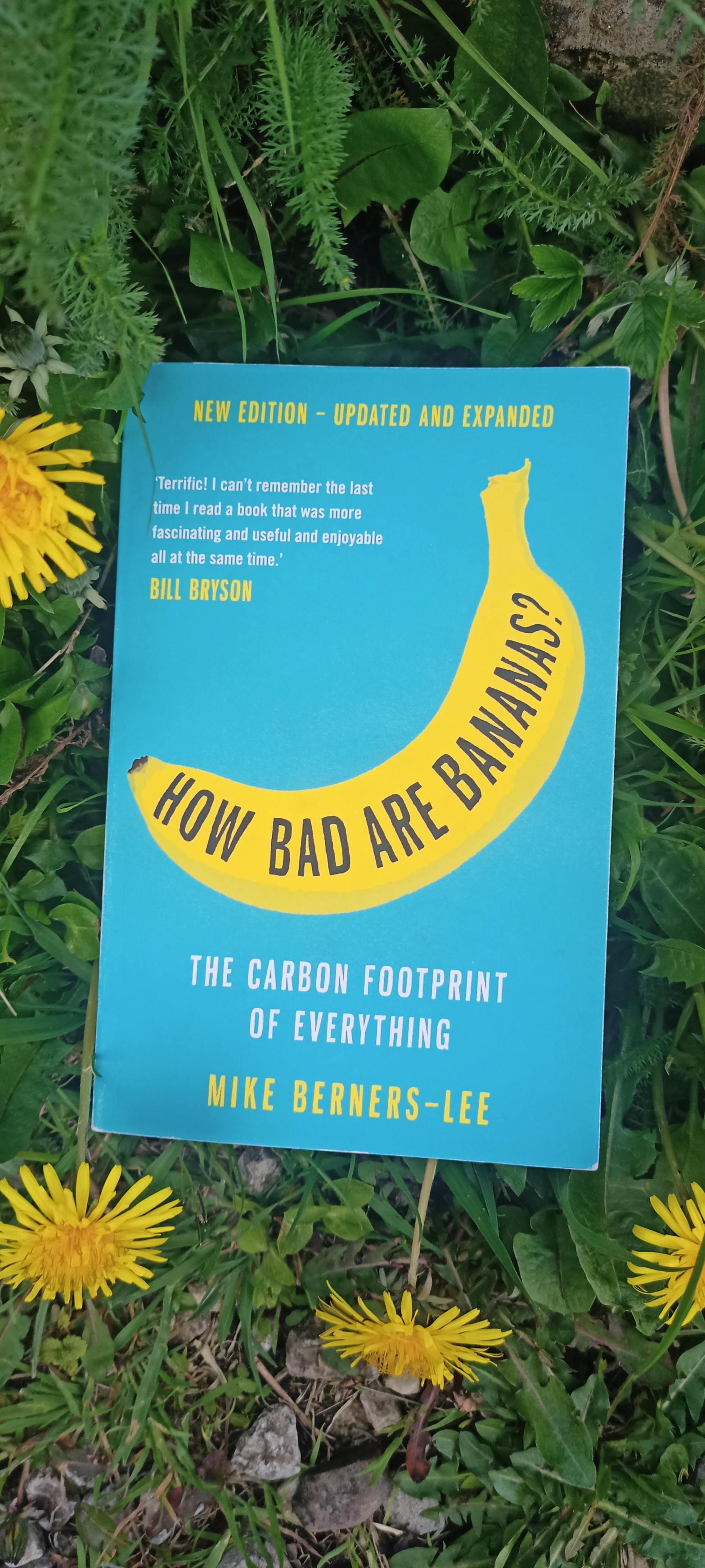
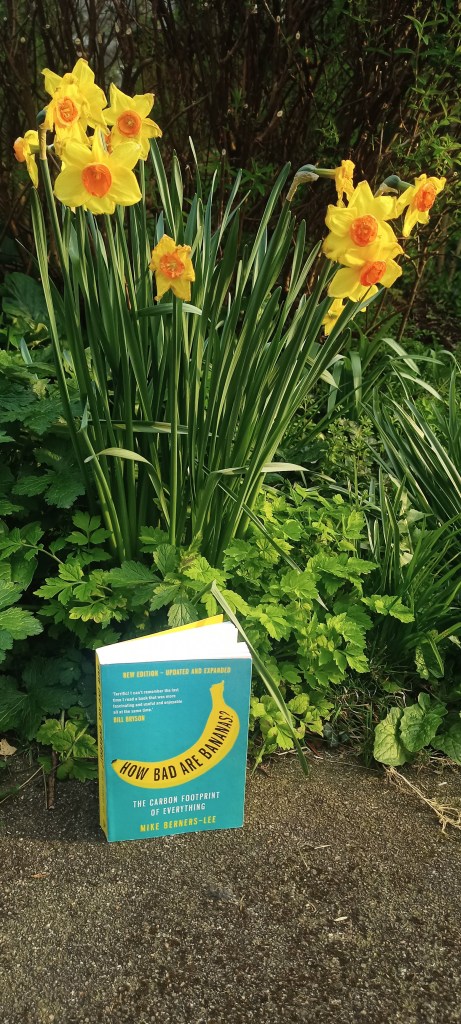
How bad are bananas? The Carbon footprint of everything. Author : Mike Berners-Lee ⭐⭐⭐⭐⭐

Do you find the world of carbon footprints complicated and confusing? Do you struggle to differentiate between beneficial and negative acts for the planet, and what actually will make a difference? Add this book to your next birthday wish list. I recently received this book as a gift after hearing lots about it, and when I tell you my friends it didn’t disappoint………………. it didn’t😊 .

This book quantifies many of the everyday objects, food stuffs and activities we use everyday by giving them a numerical value in terms of their carbon footprint. The chapters are set out according to carbon ranges, from the lowest emitters to the very worst carbon activities for worsening human made climate change. I found this really helpful for understanding what has a minimal carbon output and what activities have the possibility to have significant carbon savings if changed, and therefore where our priorities should be in creating positive change. This book also has practical advice for reducing your carbon footprint to the necessary level, including a seasonal eating calendar and how to genuinely offset any completely unavoidable emissions with carbon neutral activities, as well as places for you to individually fill in your progress and ideas. As well as being incredibly informative, and a great baseline for carbon literacy and climate awareness, the book is written in a very accessible way and makes for very light and fun reading! The author’s organisation, Small World Consulting, also has an online calculator you can use (https://www.sw-consulting.co.uk/carbon-calculator) to help work out your personal footprint.

Review: Definite recommendation for anyone regardless of climate awareness as a checkpoint to keep looking back on to help you cut your footprint year on year ⭐⭐⭐⭐⭐

Find out more: https://howbadarebananas.com/

Buy: https://www.waterstones.com/book/how-bad-are-bananas/mike-berners-lee/9781788163811 (also check out local libraries and charity shops before buying new, or borrow from friends or family. And if you do buy, let people you know borrow the book too so everyone can enjoy!)

Get involved in … No Mow May

Ok, so this post may be a little late in the making, but there is no time like the present! Want to make a positive contribution to nature in your green space? Read on my friend…..

This May, put your lawn mowers and strimmers away for good and let your lawn grow to help native wildflowers and the pollinators they support. By providing habitats for insects and small creatures in your garden, larger animals that depend on them can thrive too, allowing nature space to return and recover by making our gardens a safe, wild place. All the info on getting involved can be found on the Plantlife website (https://nomowmay.plantlife.org.uk/), but here are some ideas…

  • The whole hog – completely leave your lawn to grow for the month of May and see life transform in your very garden. Flowers you had never noticed in your lawn will have the opportunity to grow and the pollinators they attract will have many benefits to wildlife and ourselves. Who knows, maybe you’ll find regular mowing isn’t that important after all.
  • The Path – if you still need to get across your lawn easily, you could try only mowing a path and leaving the longer grass and flowers either side. This is not only practical and beneficial to wildlife, but looks really nice too!
  • What you can – if leaving the whole lawn is not doable for any reason, choose a patch of lawn to grow, such as a corner of the garden or the grass bordering the edges, as an example. Leaving any space to grow, however big or small, is a positive step and better than mowing the entirety of your green space.
  • Public spaces – if you don’t have a garden at all (and even if you do), you can still get involved by getting your local green spaces involved too, whether it be through the council (road verges, roundabouts, parks) or a school, college or university green space. The community could make little signs explaining that this month this green has been left for nature, to involve even more people in the education of living with nature. Let your local area know that this is important to you!
Photo by Pixabay on Pexels.com

Hopefully this helps you get started on your no-mowing journey and allows us to help our native pollinators and other wildlife who really need our help. Remember: don’t mow, grow! 🌼

A Spotlight on… Helping Hedgehogs

Following on from Hedgehog Awareness Week, this post explore what we can do to help our prickly friends. In the UK, hedgehogs are one of our most distinctive wildlife species, from the books of Beatrix Potter to images of them hiding in our hedgerows and countryside. But populations have been declining over the last few years, and human impacts have made this species vulnerable to extinction. Some of the biggest impacts humans have caused include reducing foraging and nesting habitats by disconnecting natural sites, road traffic incidents and accidents due to bonfires, strimmers/lawnmowers and garden chemicals. There is an opportunity for every household, whether urban or rural, to make their spaces more hedgehog friendly, and here are a few ideas to get you started. If you want to learn more about hedgehogs and how to save them, further reading resources will be presented at the end of the post.🦔

  • Hedgehog highways – Hedgehogs need to be able to roam large distances at night to find food and a mate, so connecting up gardens is a really important step in creating bigger hedgehogs habitats. Have an honest conversation with your neighbours about putting a hedgehog highway into your garden fences. You can either cut a hole, around 13cm x 13cm into your fence big enough for hedgehogs to pass through, or dig an equivalent size hole underneath your fence so hedgehogs can easily travel underneath. If neighbours are worried about it looking untidy, a bit of planned planting of flowers or vegetation will easily mask a small hole for the benefit of bringing wildlife into your gardens 🌼. To make it official, you can put a hedgehog highway sign above your hole so that subsequent home owners and neighbours will keep the hole open (find them here https://shop.ptes.org/product/wildlife-friendly-gardens/hedgehog-highway-signs-pack-of-two/).
  • Swap fences for hedges – Firstly, if you already have hedges surrounding your garden, keep them as they already create a great habitat for many species of wildlife! If you are feeling ambitious, swap out your garden fences or walls for hedges, which are much easier to pass through for hedgehogs and will also create spaces for them to find food and rest.
  • Hedgehog friendly garden features – Create a garden with plenty of useful features for hedgehogs as part of your local network. Examples include creating habitat piles of garden debris like twigs and leaves, log piles, compost heaps (be careful when turning!) and wildflower areas, to create a wealth of areas for hedgehogs to forage in for their food and as sites for nests.
Photo by Dina Nasyrova on Pexels.com
  • Hedgehogs homes – As well as natural garden features, you could also make or buy a hedgehog house for your hogs. If you do make one, remember to add a tunnel and divide the space, so hedgehogs can fit in but not their predators, as well as locating the new home in a shaded area and using untreated materials to avoid introducing toxins. Add a few leaves or straw to make the space comfortable and make sure the house is water tight, before waiting to see if anyone moves in…
  • Supplementary feeding – Hedgehogs should find the majority of their diet naturally, but if you notice hedgehogs using your garden, you can supplementary feed as well. Most importantly, put a shallow dish of water in your garden for them to drink, to keep your hogs hydrated. Then you can put out shallow dishes containing meat-based dog/cat food (not fish), dried mealworms or specially designed hedgehog food around your garden. It can help if you have space to spread the food over multiple sites to avoid too much confrontation between hedgehogs.
  • If you are a student or staff member at college or university, you can expand your hedgehog habitats by getting involved in the Hedgehog Friendly Campus initiative, which can help you structure your journey to making your campus an excellent place for hedgehogs to visit as part of your community of local hedgehog networks.
  • Changing behaviours – There are many human actions that have led to the decline in hedgehog numbers. You can change this by: reducing strimming and mowing activity and checking thoroughly through vegetation if you do need to, being vigilant when driving, especially at night, to avoid hedgehog accidents, ending use of garden pesticides and chemicals which can enter the food chain of garden wildlife and thoroughly checking bonfires before lighting in the autumn or not lighting at all and instead creating habitat piles in a corner of your garden.
  • Educate – Talk to your neighbours, friends and community to increase hedgehog awareness, as one garden alone will not have much of a difference if not connected to many more. The bigger networks we can create of hedgehog friendly spaces the more hope we have of helping their populations increase and of helping other wildlife that also share their spaces.

For more information have a roam through these sites:

May’s Top Tip

This May………………………….. Make your voice count for the environment in the upcoming elections.

If you are UK based, May is election month, with local elections taking place this Thursday 5th May 2022. Using your right to vote to have your say on change in your country has always been important, but now more than ever it is important for using your voice for the environment. There is only so much we as individuals can change, and a climate conscious government, both at local and national scale, is imperative to creating lasting changes to help fight climate change. So to combine the two worlds, who we vote in matters, and it is up to us to pick representatives who will enact climate action. Here is what to look out for this election and for future votes too:

  • Research your local candidates and analyse their manifestos. Do they refer to the climate crisis? How far down in the document does it take for them to acknowledge it? If you read a leaflet or article which does not refer to the environment, that is a huge red flag and should be considered when deciding which parties to support ⚠
  • Does the candidate only refer to the environment briefly with little significant proposals? Political greenwashing is frequently used and if you can identify it you can rule out another non-climate -committed party.
  • Is sustainability mentioned throughout topics, such as the local community, economy and other local needs? Sustainable development doesn’t end with the environment and effects all aspects of society, so shouldn’t only be referred to in one section. Everything effects the climate, and climate change effects everything!
Photo by Element5 Digital on Pexels.com

This election, choose someone who represents your values and the lives of those who can’t speak out – our wildlife and natural environment. The climate crisis in the biggest problem of our time and those candidates who fail to acknowledge this are not only failing their constituents but failing to understand our modern world. No other problem in society can be fixed without a stable planet, so do your research, use your voice and make sure environmental issues matter. 💚

April’s Top Tip

This April…………………. Cut bills and carbon by turning the thermostat down.

*DISCLAIMER* This tip is not directed towards those significantly suffering with the rising cost of living where heating is a difficult topic. But if you are looking to save on bills, cut energy use and reduce carbon emissions and are in a position to do so, please consider the following ideas 🙂

The weather is warming a little more now spring is here, so its the perfect time to see if your household can try living a few degrees cooler than your normal. Heating makes up around 65% of household energy consumption and 61% of household greenhouse gas emissions, the largest contributing household activity. Turning your thermostat down just 1-2°C could save between 219-716 KgCO2 e/yr, with 1 less degree saving on average 281 KgCO2e/yr and a drop of 2°C saving on average 569 KgCO2e/yr. Doing this is one of the biggest household carbon reductions you can make to your heating and hot water behaviours. While the weather may not always be sunny and warm, snuggling up with a fluffy blanket, or layering with jumpers and slippers can be a cosy way to keep warm in that moment when you would normally reach for the heating controls.

Want an extra challenge? Turn off heating completely in unused rooms. When you change your heating patterns, you maximise heating efficiency for your home, save money on energy bills and reduce your carbon footprint. Another positive win! 🏅

March’s Top Tip

This March……………. Scrap the disposable fruit and veg bags.

Make it a focus to reduce waste this month by planning out your activities so you can take what you need. For your food shop, keep your reusable bags and any reusable mesh fruit and veg bags together somewhere you will see them before you leave, be it by your keys, money or front door, so you can always pick them up on the way out. Then you can pick only the amount of seasonal fruit and veg you need and put them in your reusable bags, reducing plastic and food waste. Step into spring with fresh produce and delicious food, without the guilt of waste 🌺

Photo by Sarah Chai on Pexels.com