‘Tis the season

  • Creating over consuming – as much as I do love Christmas, in recent years I can spot more clearly the way overconsumption goes into overdrive at this time of year, from Black Friday to panic shopping, which kind of detracts from the whole sentiment of the celebration. To break this cycle, putting an emphasis on creating over consuming means not only not driving unsustainable habits and businesses, but also getting involved in more present and meaningful Christmas activities. Whether its drying orange slices for decorations, baking for friends or making scrapbook gifts with memorable photos, these will not only be lovely to receive but fun to make too!
  • Leave no trace – The amount of waste created by this festive season is off the scale, so this year we are all saying no to overspilling bins! This year I’ve either wrapped gifts in squares of fabric or used wrapping paper with no non-paper elements, for easy recycling. Using paper tape also helps your recipients recycle easier too πŸ˜‰During my wrapping session, I got out my little box of ribbons and ties (Yes I do keep everything…) and used these to secure my fabric wrappings or attach paper labels. Then, friends and family and reuse them next year and the cycle of reuse can continue – happy days! Note: I honestly think these might be some of the most beautifully wrapped presents I’ve given this year, so sustainable wrapping definitely isn’t dull!
  • Thoughtful gifting – I always was someone who loved shopping, so if money was no object I’d love to get all my friends and family lots of things I’d think they’d like. But apart from money actually being an object, no one really needs that much stuff. Sometimes people actually don’t wany anything, or sometimes that one thing they have asked for really is just what they want. For so long we have felt that it is ‘things’ that show we care and give value, so there’s an instinct to buy more just for the sake of it. But asking people what they want and actually listening is more than enough. Choosing gifts have have longevity, can be reused or create very little waste means less harm to our planet and more care behind every present given.

Other ideas I love…

  • Crafting gifts: Maybe you have a specific skill or theme in mind, but gifting yourself time to create things for others gives you many mindful moments as well as a hand-made gift for your loved ones which will mean such a lot to them🫢 .
  • Experience gifts: For the people who have everything, getting them an experience gift for something they love would be such a fun option! Be it a theatre trip, meal out or your own kind of voucher to spend in a local business, such as an independent bookshop, this gift provides quality time together and treasured memories. Even planning a day trip together for next year and putting it in the diary now would be such a special thing for friends, especially where meeting in person can be tricky, so that that time together won’t be less prioritised once work etc begins again.
Photo by Ylanite Koppens on Pexels.com

Reflections & Goals

This year has gone beyond quick, but there are definitely some parts of my sustainability journey that come to mind. I’ve transitioned most of my diet to vegetarian, and am loving it! I think I’ve been a lot more adventurous this year with trying new meat-free and vegan dishes, especially when eating out. In particular, trying different cheeses and creating dishes around themπŸ§€ . Next year I hope to add some more recipes to my vegetarian cooking and try some more vegan alternatives too.

I’ve also travelled to a lot more places by train and have become a lot more excited by planning days out by rail, such as beach visits and city day trips. I’ve simultaneously been able to reduce my number of car journeys and travel much further than I ever have before, so its a win-win! Next year I’d like to take the train to more places on my bucket list and organise more day trips with friends to new places.

This year has also educated me a lot more on the most pressing actions needed to address the issues Earth is facing, and that not all of them can be done alone. There is so much individuals can do to create a more sustainable life for themselves and reduce our collective impact, but we need governments and those of influence to really make the change happen. So while I’m still working hard on my own actions, I’m also working on being kinder to myself in terms of eco actions and focussing on those who can help with more urgency.

November 2023 favourites

Hello! Finally getting round to posting on the last day of November, oops! As I’m trying to spend the free time I have away from screens, blogging has taken a bit of a back seat, but I wanted to reflect today at the end of the month on some things I’ve been enjoying doing which hopefully inspire you all to reflect on your month ahead of a very busy season and brand new year.

  1. Cooking hearty food – Nothing better once this cold weather kicks in than sitting down in the evening with a steaming bowl of warm, filling food – the best! In a bid to make my meals more plant-based, I’ve now got a good collection of recipes I can make either vegetarian or vegan, which I enjoy cooking and love eating. These include chilis, curries, pasta bakes and bolognases. I like using split red lentils as my protein alternative, but I have also tried tinned lentils, which also cook pretty well. All of these can be cooked in large quantities and then frozen for a later date for that smug ‘tea’s already sorted’ feeling.
  2. Winter walks – When it feels already cold inside the house, it can be offputting to go outside. But on a dry day, when you can cosy up in a big coat, hat and scarf, it is really beneficial to spend time outside, even on a quick walk to somewhere. Notice the little things, like the leaves falling in the path in front of you, the twinkling lights or the way you can see your breath. Each season has something to offer us, so try to find the enjoyment in these autumn/winter days.
  3. Body Shop Shea shampoo bar – This is my current shampoo bar (Shea Moisture Restore Shampoo Bar 60g | The Body Shop), and I’m really enjoying using it. It hasn’t disintegrated, thoroughly cleans my hair and leaves it feeling very soft, which is great for this time of year. Not every solid product will work for you, so test out a few different brands and make a note of any that you enjoy so you can rotate them round, or put them on your Christmas list! I’m also making the most of everything pumpkin themed before autumn finishes once again, so loving the vanilla pumpkin range.
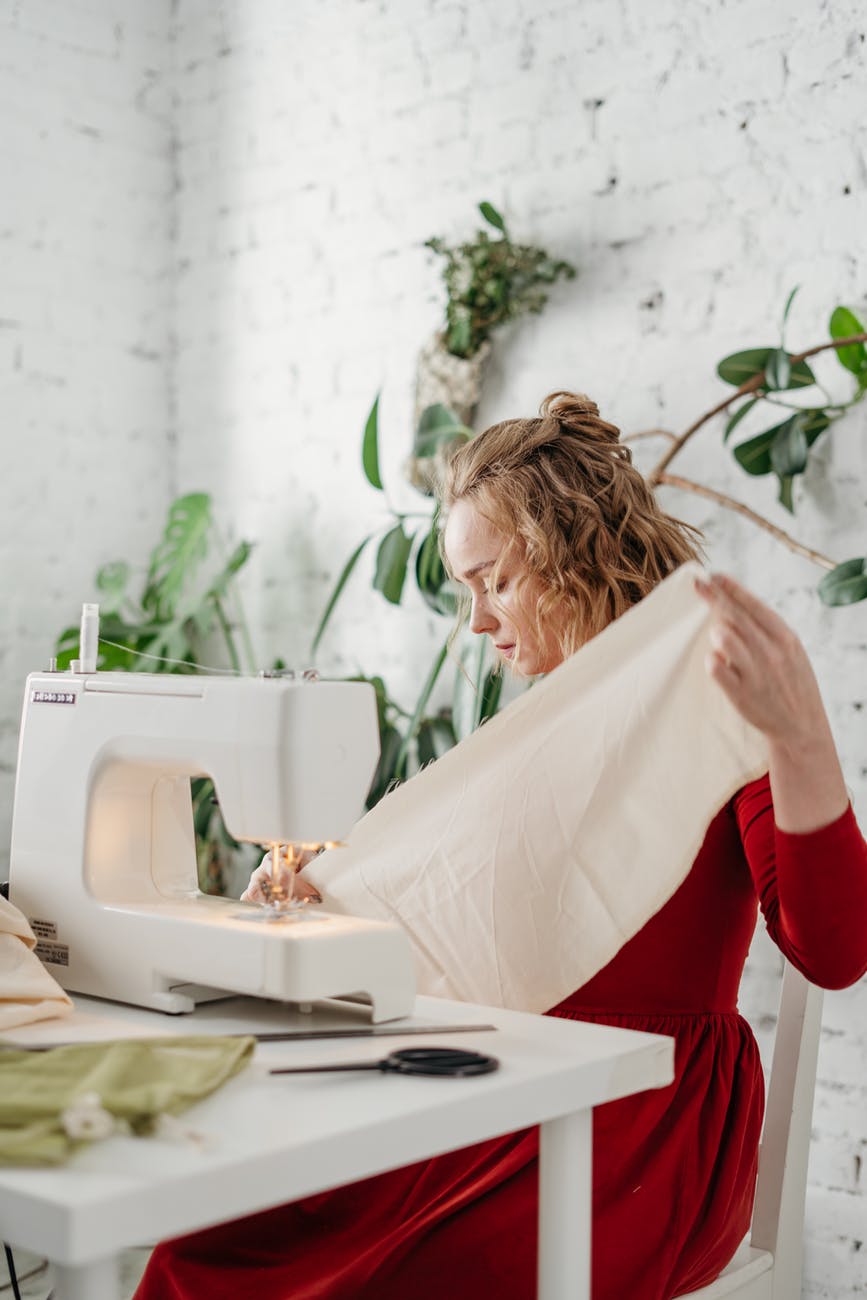
  4. Making time to look after clothes – We’ve all got those jobs that are on a to do list but never get done, but it feels so good once they are completed! I like putting on a podcast or playlist, getting all my sewing stuff out and fixing any little holes or issues with my clothes or bags etc. Sure, more will appear in the future and I’ll have to repeat the process, but doing this gives me half an hour of quiet time and means I can keep my clothes in use knowing they are warm and well cared for going into the colder winter season.

How to be sustainable when it seems no one else is

And just when you think it can’t get worse, that’s when your government picks the opportune moment to backtrack on sustainability progress. How gallant. So then this might lead you to thinking, ‘well, what’s the point? Its clearly not a priority, I don’t see anyone else trying’ or a feeling of ‘I can’t do this alone’.

Sustainability can sometimes be a lonely business. It is a topic centred in the future, something unknown and often scary. It requires urgent change now but that change might not be seen immediately. And as humans, this is something our minds struggle with. But if you, someone interested in the future, someone who cares about being able to lead a long, happy, sustainable life, gives up now, then that means we can all give up. If we all think like that, who will live sustainably? Does that mean we have given in to the ideas of our politicians? Have they won?

Individual level actions cannot solve the climate, biodiversity and sustainability challenges ahead of us alone. But they sure make a huge difference. There are nearly 8.1 billion people living on this planet. If they all give up, then we’ve given up. But if everyone steps up, we can do this together. Facing these challenges needs every person, and now is not the time to be disheartened and give up, if anything its time to fight harder.

So if you feel like what you do doesn’t make a difference, remember:

  • How far we’ve come – we do things now without thinking that those before us wouldn’t have considered. How many reusable water bottles do you see? How many urban parks? How much more does climate change make the news? The backlash against latest environmental U-turns from the public and businesses… As Hans Rosling notes in ‘Factfulness’ (an excellent read, highly recommend!), things can be bad and better at the same time. And it is making things better we most focus on.
  • You are not alone – you can’t be because I have written this post having had these thoughts. So unless this goes unread there is more than just you and me feeling helpless. There are so many organisations out there fighting to keep environmental and sustainability issues on the agenda and plenty of community heroes working everyday but often unnoticed. You are not alone, we just need to be louder than those who are not committed to action.
  • The public gets what the public wants – don’t hide your views or values, vote with your morals, keep the conversation alive and don’t let sustainability issues get left behind. We can’t allow it. So choose not to be like those in power, show them up, be better!
  • Live life for you – I know just how overwhelming it can feel when it seems no progress is being made and you remembering your shopping bag probably doesn’t make a huge difference in the grand scheme of things. But remember why we want to live sustainably – to create a healthy, happy life we want to lead, without all the negatives that come with the over-consuming life we are used to. A slower pace of life, more nature, clean air and water, fresh food, equality and better health. This will look different for every person, but it can help to mood board your vision of how you want your life to look so you have a goal to aim for when you are feeling disheartened (see an example below, but you can approach it in whichever way you like). If you were the only person on Earth, would your actions and behaviours now make you happy? Do the best you can do and you will create a nice life for yourself, regardless of other peoples actions. Sometimes just knowing that what you’re doing for yourself and those around you is enough.

So when trying to take in the whole world is just too much, come back to your world and what you can do. It doesn’t need to be everything, it just needs to be something. We are not like them, we do care, and we will create a beautiful life for ourselves that does more good than harm. We will choose to live our lives this way, not just because we have to, but because we want to give back, live more simply and be a part of this living world, not its destruction. So keep going with the big actions and lobby for those in power and business to make big changes now, but know whatever goes on in this big old world, you have control over what you do, you matter and you make a difference. Happy October 🧑

The refill containers that have earned a space in your home πŸ‘

  • Large glass jars – A kitchen staple for dry foods such as pasta, sugar, rice, flour and more, as well as liquids like oils and cordials, not only can these be taken to zero waste shops to be refilled but by storing these items in clear containers you can easily see how much of what you’ve got left and when you need to purchase more. Simples!
  • Soap dish/pump dispenser – To keep those hands clean, get yourself a soap dish for any solid soaps, the least wasteful option. If you still use liquid soap, for instance in the kitchen, a refillable soap dispenser which you can take to refill shops will cut out any difficult to recycle waste.
  • Cleaning bottles and pumps – Pump mechanisms are infamously hard to recycle, so having a spray bottle you can refill with cleaning formulas or your own formulation prevents pumps ending up in landfill. You could even keep an old bottle, give it a quick clean, and reuse it without spending any money 😏
  • Bags – Plastic, jute, cotton or other, whatever you use as your shopping/everything bag, invest in a sturdy one and then REUSE!
  • Food containers with lids – Preferably ones that are good for everything: freezing, microwaving… So all those lovely leftovers and batch cooked meals are ready for you time and time again. (Maybe make a system now to avoid the lid seeking stress later in the season…)
  • ….And if containers aren’t available, skip the cling film and reuse your Beeswax wraps to cover bowls, pack lunches and wrap leftovers with minimal waste. A quick wash and dry and they are ready for use again.
  • Shampoo bar box – If you have made the transition to solid beauty products, a refillable/reusable container is a good shout for keeping your products dry between uses and safe during your travels.

Tip No.14 – Staycations

So the traditional image of going abroad for summer holidays might not be so attractive now, when major destinations are under sweltering heat or on fire. This is where our good friend the staycation comes in. Now, I know what you’re thinking…….. AH CAMPING! NO! Fear not (although of course camping is an excellent option should you so wish πŸ•οΈ), because staycations mean getting to explore places in your own region of the world with less of the travel stress and less of the travel emissions.

Generally, we take holidays to have some well-earned time off, spend time with the people we love and make memories. And these can be done anywhere, not only by some foreign pool. And getting to explore somewhere completely new can be lots of fun too! Here are some tips for making your staycation a sustainable one…

  • Get on Trainline (or other rail websites/apps), and find direct/accessible locations from your nearest train stop. Are there any city breaks you can get to in only a few hours or even less than? Maybe a smaller countryside location is more for you? Instead of getting frustrated by the lack of public transport to a location you’ve already booked, try finding a location you can get to in reasonable time and with minimal complications first and plan your stay from there. Rather stay more local or plan a day trip? See where your local bus routes could get you. Regional day passes are great if you want to see different stops and hop on different buses without getting a ticket each time or planning every stop. Maybe you can get to the beach, a park or a new town and make some new summer memories. And no car parking worry! πŸ₯³
  • You know that ‘whole new holiday wardrobe’? You’ve already got it! All of your summer clothes are still there, even if you haven’t used them since last year. Have a bit of a declutter, rediscover some favourites, and if anything is missing, a charity shopping day would be the perfect way to plug any garment gaps.
  • Contrary to what the adverts tell us, holidays don’t have to be the height of luxury for us to have a good time. A cottage in the country, a tent in a field or a city apartment can play host to amazing memories, without being huge developments. Just getting out in nature, having time to cook and play, these are what make a holiday.
  • Support small and local – wherever you end up, try and support small, local businesses in your holiday location. Independent shops and cafes usually offer local products, which are both fun to try and support the local people who make them.
  • Respect – It should go without saying, but unfortunately its not always the case. Leave your holiday destination taking only memories, and respect the environment, people and nature who call it home.

Romanticising a sustainable life

Summer is here again, and often brings with it a need to completely reinvent your life and make the most of every moment. It’s easy to forget when the whole world seems to be travelling across the world on holiday, purchasing a whole new summer wardrobe and generally galivanting around, the values we should be collectively working towards. Sustainability is normally associated with cutting back, restrictions and a boring, plain existence – but in reality it is far from that way. Here is why actively curating a sustainable life you want to live is both beneficial for the planet and for you…

Sometimes making the most sustainable choice can be hard. It’s why we are still working on it, years after we knew we had to change. But there are many lifestyle changes which are easy to implement and can make our lives better in more ways than one. Take drying the laundry outside, an activity that gives you 5-10 minutes of quiet time to allow your thoughts to wander without screens or distractions. Reusing bags, water bottles and coffee cups gives you a sense of ownership over your possessions, knowing that everything has a use and you don’t feel as overwhelmed by piles of ‘things’. Growing your own food, whether windowsill herbs or a vegetable patch in the garden, creating wildlife homes and using active travel to get around, all give you a sense of accomplishment and achievement as well as bettering your own health.

Sustainability at its core means the ability to be sustained and to carry on in the long term. Therefore the best changes come from those you can work into your lifestyle and stick to, and that benefit you as well. If at the start you are finding habits difficult to stick to, romanticising a more sustainable life for yourself – a life you want to live and can envision – might give you to motivation to keep at the changes you have implemented. You could first put together a mood board or inspiration page of what this life will look like, be it ‘cottagecore’, clean and clutter free, more organic, healthier, more in tune with nature or even more cost effective. Then you can implement this into the everyday small things you do and be intentional about how you live your life. Life is happening right now, so finding the small things everyday to enjoy can make our lives more fulfilling as well as being better for our mental health.

For me, romanticising the things I do to be more sustainable comes in the form of wanting to be more self-sufficient, such as baking and cooking from scratch and using homegrown ingredients where I can, in addition to wanting a beautiful life for myself, which I pursue through using aesthetic yet reusable products, like bags and beauty products and spending time outside in nature. These things might seem frivolous, but by viewing sustainable change in a positive and intentional way I don’t feel held back by making conscious choices and instead know I’m contributing to the future I want.

I’m sure many of us have similar visions for the future: walking around green spaces full of life, breathing in clean air, eating fresh produce and being part of thriving local communities. All of which are achievable in a sustainable society. We have to believe in the changes we are making now and hold that vision of the future we want close so that meaningful change can happen. And if imagining you are living a simple cottage life when you fix your clothes or garden outside, or are on a hot girl walk to the shops when you leave your car at home helps you stick to your goals, then go for it. Make sustainability fun and fit your own aesthetic! Maybe then one day this life won’t have to be romanticised, but will be there when we look outside.

Summer 2023 sustainability glow up is officially underway β˜€οΈπŸ˜ŽπŸŒ»

The Sustainable Student – Moving Out

For those who moved away to study in those hazy days of autumn, summer means one thing: packing….again. To ease the stress, here’s some ways you can lessen the load on yourself and the planet.

  • Declutter: First, is there anything you have with you that you haven’t used or forgot you bought? If you haven’t used it in the last academic year it is unlikely you’ll desperately need it again next year or for wherever you are moving onto next. Can you donate, swap with friends or even just mark to leave at home next year? If it’s still in good condition, there is no need to throw out these items, see if there is a donation bank or charity shop nearby so they can have a second home.
  • Recycle: Similarly, things you can’t use again don’t have to be sentenced to the bin, but recycled either as household recycling or at specialist dropping points, such as at supermarkets. Recycling any packaging or items you no longer use also reduces the amount you need to take home, so see if there are any facilities near to your place of study for easier packing.
  • Efficient packing: Whatever bags, suitcases or boxes you have, try to pack as efficiently as possible to minimise the number of journeys needed to transport your stuff home. While it might be that public transport is not an option while moving out, you can still minimise your environmental impact by reducing the amount of car journeys necessary and driving in an ecosafe way. I mean, it all fitted in September, right? πŸ€”
  • Reuse: If still around, try to reuse existing bags and boxes for packing, such as those your items came in when you moved in. Keeping recent boxes from deliveries leading up to the move can be useful as a way to reuse packaging.

Moving out can be an emotional and stressful time, but by taking steps to reduce waste and understand what you actually use, you can ease the pressure of future packing and reduce your impact by taking care of what you have. To students everywhere, I wish you a safe and stress-free move…… Can’t wait to repeat it all in the autumn! πŸ˜…

The Green Guide Tip NO.13 – I think I read somewhere…

Tips and tricks for making environmentally friendly swaps today!

With lighter evenings and seemingly a few more minutes in the day, it is the time of year to get stuck into a good book. Reading is widely known as a great for both our health and as a low carbon activity, but there are ways you can boost those credentials even more. Read on….

  • Join a library – Wow, mind-blowing! Hear me out: Joining a local library is not only good for the community, but can open your reading horizons further than your comfort one and allow you to try new books. Free to join, why wouldn’t you want an entire collection of books on your doorstep to choose from? Didn’t enjoy? Just return with no expense wasted on your part. And with years of reuse, is a great sustainable system too.
  • Second-hand – Everyone’s reading the most popular book of the moment and you want in. Well, chances are those who have already read it may have moved on and already donated it, so keep an eye out while charity shopping and there may be some literary gems waiting for you. Books, while having a lower environmental impact, do use a lot of resources in production, so donating and reusing is the most efficient use of these resources.
  • Swapping – Alternatively, maybe someone you know has read a book you’re interested in… Maybe you can do a swap for your most recent read in return, and both enjoy books you are interested in with less new products involved.
  • Book club – Really enjoy reading? Book clubs are having a comeback, and if organised well, can lower the impact of buying new books by reusing copies and redistributing. Also a great social activity to build into your lifestyle.
Photo by Yeu015fim on Pexels.com

So there we go, did you flick to the end or read every word? The main message is reading is all-round a great activity, so if you can borrow, swap or reuse, you can both expand your mind and minimise your footprint – result!

The Green Guide: Tip NO.12 – Sustainable Spring Cleaning

Tips and tricks for making environmentally friendly swaps today!

It’s that time of year where the sun is shining more, things are waking up, and you might have more of an urge to declutter and clean your house. That’s right, it’s spring cleaning season. If this sounds like you, here are some tips to freshen your home with nature in mind…

  • Reusables – Before you start to sparkle and shine, do you have a cloth/sponge that you can reuse? Whether you use a specific cleaning cloth or one of your old textiles (e.g. an old t-shirt), cut down waste by using something you can wash and reuse rather than single use wipes or kitchen roll. Even biodegradable items use a lot of resources to keep producing them, so reusing the cleaning materials you already have is the best way to keep the waste to minimum.
  • Au Natural – Choose cleaning products based on plant/natural ingredients, or even make your own cleaning pastes and remedies from household items. Products such as concentrated drops can be mixed with water to create cleaning formulas, and even hand soaps and other household products. Browse ethical options on the Ethical superstore.
  • Sort & Recycle – Doing a spot of decluttering? Just because it’s no longer of use to you doesn’t mean the bin is the only option. As you sort, organise into categories, such as charity shop, clothing bank, textiles recycling, plastic, glass, cardboard, so that every material has a chance of a second home or of being recycled. This circular lifecycle keeps resources in use, so less new materials have to be produced.
  • Let the outside in – Allow nature to help you take your home into the new season: Open the windows and doors if you can, and dry items outside in the sun. Spring cleaning doesn’t always have to use harsh chemicals and technology, just letting fresh air into the house after a long winter can be just as impactful.
  • Take stock – While you sort and clean, take note of everything you own. Maybe you’ll find things you’ve forgotten about, or duplicates! Let this help your future self when shopping, so you only buy what you need and don’t overbuy, risking creating additional waste. It can be very gratifying to see all the lovely things you have and know you have all the things you need.

If the sun is shining where you are and a tidy up is on the cards, I hope these tips help you feel clean and organised without the huge waste build up. 2023 is for spring cleaning, but make it sustainable 🌼

Photo by Alena Koval on Pexels.com

An Ordinary Human’s Guide to…………… The Green Economy

This series hopes to break down key sustainable terms and ideas to make them more accessible for everyone to understand and use to make change. If you are already familiar with these ideas, refresh your mind and use your knowledge, but if this is new to you, read on and learn!

In a world of politics, budgets and our good old friend, money, environmental issues are often seen in isolation as a separate entity entirely. But in order to transition to a sustainable society, all jobs and careers will need to implement sustainability to adapt to the future and evolving markets (this sounds financial already!). This post explores what a green economy includes and how we can create ‘green jobs’.

The UN describes the Green Economy as one which where employment and income prospers while reducing carbon emissions, biodiversity loss and enhancing resource and energy efficiency. Contrary to political belief, it is possible for economies to remain stable and grow while transitioning to a sustainable society, in fact one of the sustainable development goals directly focuses on work and economic growth. The important idea to focus on now, especially in school leavers, graduates and those of a working age, is teaching green skills which can be applied to any jobs roles. In order to become sustainable, we don’t just need conservationists and geography teachers (though both are great ☺️). All employees need an understanding of sustainability principles in order to implement them in all aspects of life. You’re a builder? Help with the need to develop low-zero carbon homes and retrofit those that are currently not energy efficient. You’re a designer? Your innovation can be used to design products and places with little to no waste. You have a high influencing status, either within your job or as a media presence? Influence people to create the change we need rather than further over-consumption activities. Every job can become a green job by changing our perspective on what success is and what we are here to contribute on a wider scale.

In terms of job creation and employment, green jobs can provide the necessary opportunities to the communities that need it most. As has happened locally to myself, building new fossil fuel plants or high polluting industries can often be justified by creating jobs for local people and boosting local economies. Imagine you desperately need work – you’ll likely take whatever is offered to you, whether that’s a coal power plant or a new supermarket, because any job is better than none at all. But the same applies if that job was in a wind farm or electric vehicle manufacturing plant. So the same benefits can be reached by investing in green industries, with the added advantage of having longevity over fossil fuel-based industries that won’t survive for much longer as our stores decrease. As has happened in history before, we are at an employment transition point, and as hard as it can be to leave traditional industries and skills behind, it is now time to change the identity and make-up of our economy for the sustainability of our planet and our own kind.

This has been a very brief introduction, and one that definitely still has a way to go, but the main points you might want to consider in your own lives are:

  • What can you do to boost your sustainability understandings and skills in the workplace to improve your place of work? This could be individually, or influencing your employers to create company level change, such as participating in Carbon Literacy Training.
  • Making the learning of green skills and ideas key to younger generations – talk through ideas with your kids or any young people in your life, to keep the ideas relevant whatever career they decide upon.
  • Support green job creation, especially any projects local to you. Be critical of the ‘boost jobs and local economies’ justification for damaging industries and remember any employer could describe themselves to do that, so choose who you work for carefully if you are in a position to have the choice.

Hopefully you now feel more empowered to engage in sustainability regardless of your career. Climate change should be discussed in every workplace and sustainability implemented at all levels, so see what is within your power to change and most importantly use whatever influence you have to support the learning of green skills and green job opportunities, so the green economy can go from financial fantasy to real-life policy. Who knows, maybe it will have benefits beyond the current money-focussed model… πŸ’°