Romanticising a sustainable life

Summer is here again, and often brings with it a need to completely reinvent your life and make the most of every moment. It’s easy to forget when the whole world seems to be travelling across the world on holiday, purchasing a whole new summer wardrobe and generally galivanting around, the values we should be collectively working towards. Sustainability is normally associated with cutting back, restrictions and a boring, plain existence – but in reality it is far from that way. Here is why actively curating a sustainable life you want to live is both beneficial for the planet and for you…

Sometimes making the most sustainable choice can be hard. It’s why we are still working on it, years after we knew we had to change. But there are many lifestyle changes which are easy to implement and can make our lives better in more ways than one. Take drying the laundry outside, an activity that gives you 5-10 minutes of quiet time to allow your thoughts to wander without screens or distractions. Reusing bags, water bottles and coffee cups gives you a sense of ownership over your possessions, knowing that everything has a use and you don’t feel as overwhelmed by piles of ‘things’. Growing your own food, whether windowsill herbs or a vegetable patch in the garden, creating wildlife homes and using active travel to get around, all give you a sense of accomplishment and achievement as well as bettering your own health.

Sustainability at its core means the ability to be sustained and to carry on in the long term. Therefore the best changes come from those you can work into your lifestyle and stick to, and that benefit you as well. If at the start you are finding habits difficult to stick to, romanticising a more sustainable life for yourself – a life you want to live and can envision – might give you to motivation to keep at the changes you have implemented. You could first put together a mood board or inspiration page of what this life will look like, be it ‘cottagecore’, clean and clutter free, more organic, healthier, more in tune with nature or even more cost effective. Then you can implement this into the everyday small things you do and be intentional about how you live your life. Life is happening right now, so finding the small things everyday to enjoy can make our lives more fulfilling as well as being better for our mental health.

For me, romanticising the things I do to be more sustainable comes in the form of wanting to be more self-sufficient, such as baking and cooking from scratch and using homegrown ingredients where I can, in addition to wanting a beautiful life for myself, which I pursue through using aesthetic yet reusable products, like bags and beauty products and spending time outside in nature. These things might seem frivolous, but by viewing sustainable change in a positive and intentional way I don’t feel held back by making conscious choices and instead know I’m contributing to the future I want.

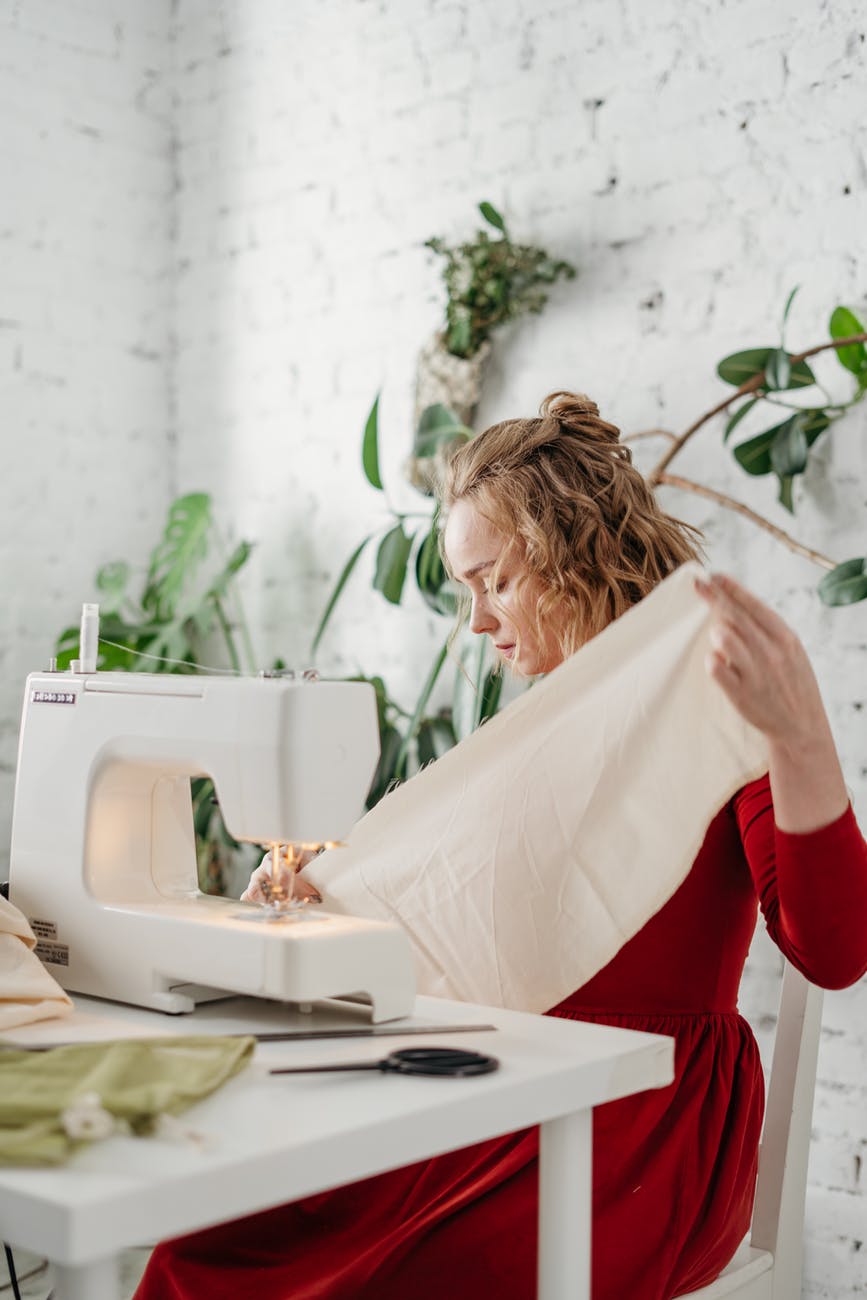
I’m sure many of us have similar visions for the future: walking around green spaces full of life, breathing in clean air, eating fresh produce and being part of thriving local communities. All of which are achievable in a sustainable society. We have to believe in the changes we are making now and hold that vision of the future we want close so that meaningful change can happen. And if imagining you are living a simple cottage life when you fix your clothes or garden outside, or are on a hot girl walk to the shops when you leave your car at home helps you stick to your goals, then go for it. Make sustainability fun and fit your own aesthetic! Maybe then one day this life won’t have to be romanticised, but will be there when we look outside.

Summer 2023 sustainability glow up is officially underway ☀️😎🌻

The Sustainable Student – Moving Out

For those who moved away to study in those hazy days of autumn, summer means one thing: packing….again. To ease the stress, here’s some ways you can lessen the load on yourself and the planet.

  • Declutter: First, is there anything you have with you that you haven’t used or forgot you bought? If you haven’t used it in the last academic year it is unlikely you’ll desperately need it again next year or for wherever you are moving onto next. Can you donate, swap with friends or even just mark to leave at home next year? If it’s still in good condition, there is no need to throw out these items, see if there is a donation bank or charity shop nearby so they can have a second home.
  • Recycle: Similarly, things you can’t use again don’t have to be sentenced to the bin, but recycled either as household recycling or at specialist dropping points, such as at supermarkets. Recycling any packaging or items you no longer use also reduces the amount you need to take home, so see if there are any facilities near to your place of study for easier packing.
  • Efficient packing: Whatever bags, suitcases or boxes you have, try to pack as efficiently as possible to minimise the number of journeys needed to transport your stuff home. While it might be that public transport is not an option while moving out, you can still minimise your environmental impact by reducing the amount of car journeys necessary and driving in an ecosafe way. I mean, it all fitted in September, right? 🤔
  • Reuse: If still around, try to reuse existing bags and boxes for packing, such as those your items came in when you moved in. Keeping recent boxes from deliveries leading up to the move can be useful as a way to reuse packaging.

Moving out can be an emotional and stressful time, but by taking steps to reduce waste and understand what you actually use, you can ease the pressure of future packing and reduce your impact by taking care of what you have. To students everywhere, I wish you a safe and stress-free move…… Can’t wait to repeat it all in the autumn! 😅

The Green Guide Tip NO.13 – I think I read somewhere…

Tips and tricks for making environmentally friendly swaps today!

With lighter evenings and seemingly a few more minutes in the day, it is the time of year to get stuck into a good book. Reading is widely known as a great for both our health and as a low carbon activity, but there are ways you can boost those credentials even more. Read on….

  • Join a library – Wow, mind-blowing! Hear me out: Joining a local library is not only good for the community, but can open your reading horizons further than your comfort one and allow you to try new books. Free to join, why wouldn’t you want an entire collection of books on your doorstep to choose from? Didn’t enjoy? Just return with no expense wasted on your part. And with years of reuse, is a great sustainable system too.
  • Second-hand – Everyone’s reading the most popular book of the moment and you want in. Well, chances are those who have already read it may have moved on and already donated it, so keep an eye out while charity shopping and there may be some literary gems waiting for you. Books, while having a lower environmental impact, do use a lot of resources in production, so donating and reusing is the most efficient use of these resources.
  • Swapping – Alternatively, maybe someone you know has read a book you’re interested in… Maybe you can do a swap for your most recent read in return, and both enjoy books you are interested in with less new products involved.
  • Book club – Really enjoy reading? Book clubs are having a comeback, and if organised well, can lower the impact of buying new books by reusing copies and redistributing. Also a great social activity to build into your lifestyle.
Photo by Yeu015fim on Pexels.com

So there we go, did you flick to the end or read every word? The main message is reading is all-round a great activity, so if you can borrow, swap or reuse, you can both expand your mind and minimise your footprint – result!

The Green Guide: Tip NO.12 – Sustainable Spring Cleaning

Tips and tricks for making environmentally friendly swaps today!

It’s that time of year where the sun is shining more, things are waking up, and you might have more of an urge to declutter and clean your house. That’s right, it’s spring cleaning season. If this sounds like you, here are some tips to freshen your home with nature in mind…

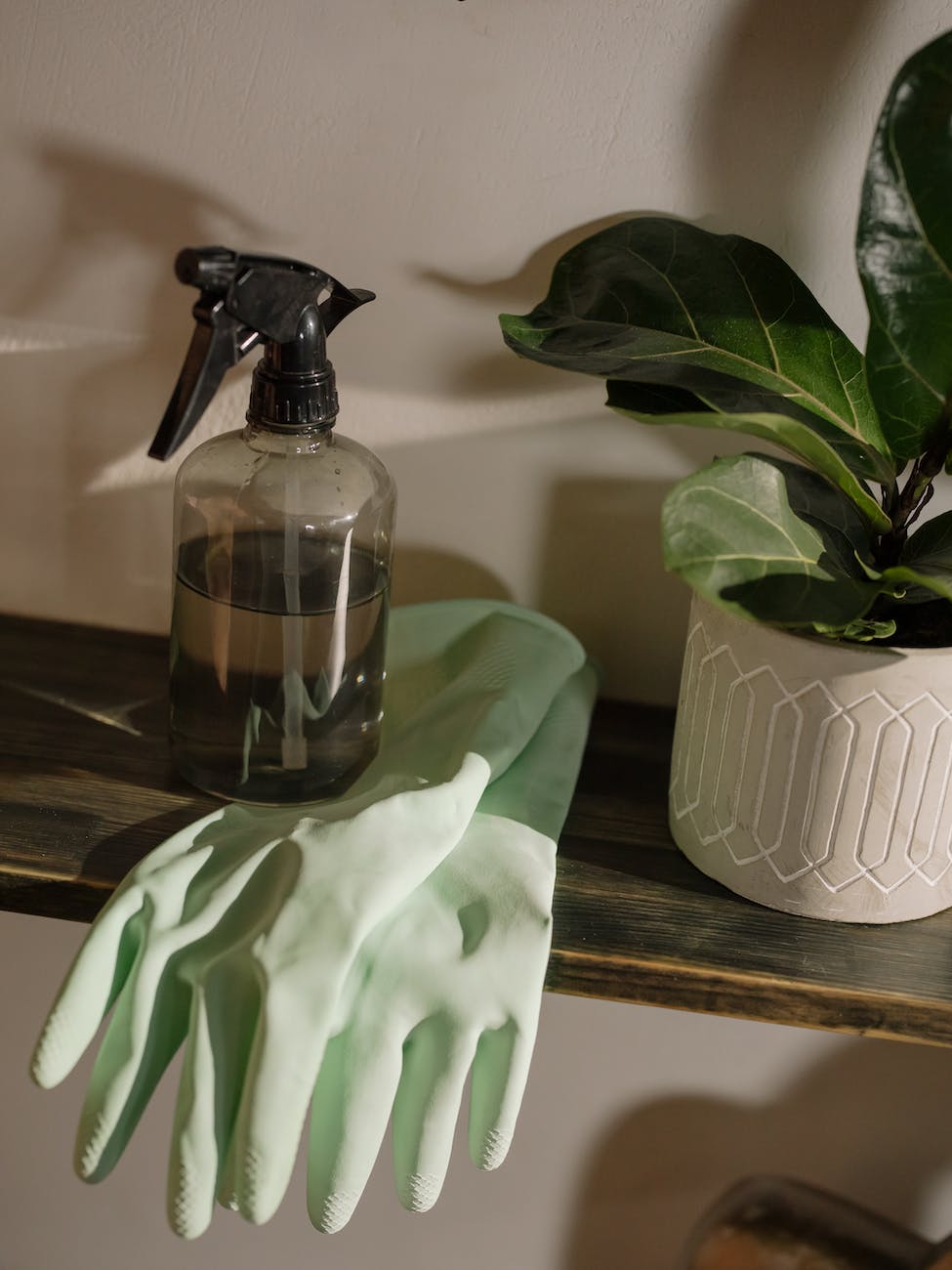
  • Reusables – Before you start to sparkle and shine, do you have a cloth/sponge that you can reuse? Whether you use a specific cleaning cloth or one of your old textiles (e.g. an old t-shirt), cut down waste by using something you can wash and reuse rather than single use wipes or kitchen roll. Even biodegradable items use a lot of resources to keep producing them, so reusing the cleaning materials you already have is the best way to keep the waste to minimum.
  • Au Natural – Choose cleaning products based on plant/natural ingredients, or even make your own cleaning pastes and remedies from household items. Products such as concentrated drops can be mixed with water to create cleaning formulas, and even hand soaps and other household products. Browse ethical options on the Ethical superstore.
  • Sort & Recycle – Doing a spot of decluttering? Just because it’s no longer of use to you doesn’t mean the bin is the only option. As you sort, organise into categories, such as charity shop, clothing bank, textiles recycling, plastic, glass, cardboard, so that every material has a chance of a second home or of being recycled. This circular lifecycle keeps resources in use, so less new materials have to be produced.
  • Let the outside in – Allow nature to help you take your home into the new season: Open the windows and doors if you can, and dry items outside in the sun. Spring cleaning doesn’t always have to use harsh chemicals and technology, just letting fresh air into the house after a long winter can be just as impactful.
  • Take stock – While you sort and clean, take note of everything you own. Maybe you’ll find things you’ve forgotten about, or duplicates! Let this help your future self when shopping, so you only buy what you need and don’t overbuy, risking creating additional waste. It can be very gratifying to see all the lovely things you have and know you have all the things you need.

If the sun is shining where you are and a tidy up is on the cards, I hope these tips help you feel clean and organised without the huge waste build up. 2023 is for spring cleaning, but make it sustainable 🌼

Photo by Alena Koval on Pexels.com

An Ordinary Human’s Guide to…………… The Green Economy

This series hopes to break down key sustainable terms and ideas to make them more accessible for everyone to understand and use to make change. If you are already familiar with these ideas, refresh your mind and use your knowledge, but if this is new to you, read on and learn!

In a world of politics, budgets and our good old friend, money, environmental issues are often seen in isolation as a separate entity entirely. But in order to transition to a sustainable society, all jobs and careers will need to implement sustainability to adapt to the future and evolving markets (this sounds financial already!). This post explores what a green economy includes and how we can create ‘green jobs’.

The UN describes the Green Economy as one which where employment and income prospers while reducing carbon emissions, biodiversity loss and enhancing resource and energy efficiency. Contrary to political belief, it is possible for economies to remain stable and grow while transitioning to a sustainable society, in fact one of the sustainable development goals directly focuses on work and economic growth. The important idea to focus on now, especially in school leavers, graduates and those of a working age, is teaching green skills which can be applied to any jobs roles. In order to become sustainable, we don’t just need conservationists and geography teachers (though both are great ☺️). All employees need an understanding of sustainability principles in order to implement them in all aspects of life. You’re a builder? Help with the need to develop low-zero carbon homes and retrofit those that are currently not energy efficient. You’re a designer? Your innovation can be used to design products and places with little to no waste. You have a high influencing status, either within your job or as a media presence? Influence people to create the change we need rather than further over-consumption activities. Every job can become a green job by changing our perspective on what success is and what we are here to contribute on a wider scale.

In terms of job creation and employment, green jobs can provide the necessary opportunities to the communities that need it most. As has happened locally to myself, building new fossil fuel plants or high polluting industries can often be justified by creating jobs for local people and boosting local economies. Imagine you desperately need work – you’ll likely take whatever is offered to you, whether that’s a coal power plant or a new supermarket, because any job is better than none at all. But the same applies if that job was in a wind farm or electric vehicle manufacturing plant. So the same benefits can be reached by investing in green industries, with the added advantage of having longevity over fossil fuel-based industries that won’t survive for much longer as our stores decrease. As has happened in history before, we are at an employment transition point, and as hard as it can be to leave traditional industries and skills behind, it is now time to change the identity and make-up of our economy for the sustainability of our planet and our own kind.

This has been a very brief introduction, and one that definitely still has a way to go, but the main points you might want to consider in your own lives are:

  • What can you do to boost your sustainability understandings and skills in the workplace to improve your place of work? This could be individually, or influencing your employers to create company level change, such as participating in Carbon Literacy Training.
  • Making the learning of green skills and ideas key to younger generations – talk through ideas with your kids or any young people in your life, to keep the ideas relevant whatever career they decide upon.
  • Support green job creation, especially any projects local to you. Be critical of the ‘boost jobs and local economies’ justification for damaging industries and remember any employer could describe themselves to do that, so choose who you work for carefully if you are in a position to have the choice.

Hopefully you now feel more empowered to engage in sustainability regardless of your career. Climate change should be discussed in every workplace and sustainability implemented at all levels, so see what is within your power to change and most importantly use whatever influence you have to support the learning of green skills and green job opportunities, so the green economy can go from financial fantasy to real-life policy. Who knows, maybe it will have benefits beyond the current money-focussed model… 💰

February favourites

Here’s a few environmentally conscious items I’ve been loving this month 🗓️💖

Hey everyone! When thinking about my sustainability journey so far this year, there are a few new products I have been really enjoying and help me to lower my environmental footprint. So today I thought I’d share my top three. Got any recommendations? Leave a comment 🙂 (P.S. This content is not sponsored, just really enjoyed the products! Personal opinions only🥰 )

  • Lush solid shampoo bars: I have tried these before but I recently used a few different ones…. and I still think they are the best out there. For ‘I can’t stop stroking my hair’ soft locks, I loved using the Honey I Washed My Hair bar, for the amazing smell and softness. For that super clean and lightweight feeling, I’m currently loving the Jason And The Argan Oil bar. When making the transition to more natural products, such as from liquid to solid shampoo, you may find it takes time to adjust, and not all products will work for you, much like their plastic counterparts. But once you find a brand or product that works for you, you can have great hair, a product that lasts a long time, as well as tackling the plastic pollution problem – win-win!
  • Along similar lines, using a hair wrap: In particular I have been using The Body Shop bamboo hair wrap (mine is a Christmas edition but you can find a similar one here). It is super absorbent, elasticised (so even manages to capture all of my very long hair), and eliminates the need for me to use a hair dryer, saving time and electricity on drying my hair. Even if you do need to use a hair dryer to get completely dry hair, using a wrap first after washing your hair reduces drying times by absorbing more water first than just squeezing with a towel. And, as you can fasten it securely, it allows you to get on with other activities while you hair dries. Less energy used, more time for you.
  • New vegan ranges: After the buzz of Veganuary this year, many supermarkets expanded their range of plant-based products. I tried a number of items from the Aldi vegan selection, and definitely found some new go-tos! Fish cakes, burgers and kievs, all meat free but without missing out on any of the comfort of eating them. Maybe you could set yourself the challenge of trying one new vegetarian or vegan dish this month? It could be to cook at home, or trying something different on the menu when you eat out. Maybe not every brand will be to your taste, but the more you try the more possibilities there are for that endless question: what’s for tea?

These have been a few of the things helping me to keep cutting my carbon footprint and work towards my 2023 sustainable goals. A reminder that progress isn’t always linear but to have the motivation to keep trying and doing good. I wish you all a good month ahead and if you try anything from this post I hope it helps you find products that work for you. Happy February! 💚

Sustainable goal setting

New year, new focus!

Happy New Year all! Welcome 2023. We are another year closer to 2030, the year where most sustainability targets are set, and so we need to ramp up the action another level this year. While huge change needs to happen at a big scale, this may be a good time to look inward and set some personal goals for your own life to keep making positive changes.

A good exercise for January is to sit down for a few minutes with a notebook and pen and write down your own targets for the year. You may find it useful to split them up into different areas of your life, such as home, work and wider impact. Approach this in whatever way you like, be it a simple list, a ‘habit tracker’ style calendar to keep yourself accountable or a yearly log that you can keep checking into, whichever way works best for you. Need inspiration? Here are some ideas to get you started, pick whichever are relevant for you and try to make them specific to you…

Home

  • Eat plant-based three days a week
  • Shop for dry ingredients at a refill shop
  • Make a habit of turning plugs off at the wall when not in use
  • Reducing my showers by 2 minutes
  • Take the bus when visiting friends (making use of £2 cap on bus tickets! – )
  • Learn to repair clothes when damaged
  • Use lower temperature on washing machine

Work

  • Take lunch in a reusable container
  • Use public transport and read/do something nice on the commute
  • Support environmental initiatives implemented in the workplace
  • Take part in Carbon Literacy Training with colleagues to earn an environmental qualification

Wider impact

  • Keep up to date with petitions and use my voice actively
  • Be aware of my MP’s policies on the environment and get in touch if they aren’t doing enough/there are improvements to be made
  • Talk about climate change and sustainability to friends, family and conversations in general!
Photo by MESSALA CIULLA on Pexels.com

These are just ideas to get you started. You might want to go really specific, e.g. I aim to not buy from any fast fashion stores this year/ I aim to only eat beef once a month maximum, or you may choose to pick an area to focus on e.g. public transport – I aim to not use my car as often as I do now by the end of the year/I will not travel by plane on holiday this year.

Write your goals somewhere you can keep track of them and set them up in a way you’ll want to keep working towards them, whatever keeps you motivated. Set a day each month to reflect on them and renew or adapt them if needed. There is so much going on in this world of ours, and while some things are just out of our control, choose to focus on the things nearest to you. Imagine in December what you will have achieved – it’s going to be a good year. Let’s do 2023, sustainably 🌿

December’s Top Tip

This month…………………………………………… Less shop, more swap!

It’s the time of year for giving again! Another year has rolled round and once again it’s that time to find the perfect gifts for those you love. But in this time of financial and environmental instability, panicking and buying lots of random brand-new gifts may not be the best option. If you’re looking to have a more budget and planet-friendly Christmas, here are some alternatives:

  • Swapping – No coins or shopping bags necessary, swapping with friends and family is a great way to enjoy something new this Christmas without something new being produced. You could swap books you haven’t read or recommend, Christmas jumpers for the work party, preserves or baked goods. Can you create a swapping party in your friend circle for gifts or festive clothes, such as books or Christmas decorations, and add to the fun?
  • If you do need to buy something, can it be found in a second-hand shop? As a family you could set yourself the challenge of picking a budget and finding everyone’s Christmas gifts while charity shopping – who knows what you might give a new lease of life to?!
  • Need something but don’t want to buy? If you can’t swap with a friend, you could upcycle instead. For instance, if you need a Christmas jumper for a charity day or event, could you create a festive brooch to pin to a plain jumper you already own? Both festive and still usable all year round just by detaching the accessory!

There are so many ways to enjoy the festive season in a more conscious way, so think creatively and make your own celebration ❄️

It’s been a bit of a year hasn’t it? War, political instability, destruction of human rights, continued lack of climate action and financial difficulties. It can be easy to feel pessimistic going into the new year. But I wanted to take a moment here as a reminder that next year will be another opportunity to do good. While sometimes it can feel completely out of our control, remember that you can either be part of the problem or part of the solution – so for all those continuing to dedicate themselves to doing good, merry Christmas and happy new year, we will create a wonderful 2023. Thank you 2022, see you all next year 🎄🎁📆

P.S: After two and a bit years, I’m going to take a break from writing the monthly specific tips and focus more on relevant stories, ideas and actions across the seasons. For sustainable tips related to each month, just search this blog and have a look through the archives. I will keep sharing tips and tricks in 2023 to make sure Ginger Leaf Living is as useful as it can be going forward 🥰

November’s Top Tip

This month……………………………. Get involved in volunteering!

It’s no lie that life is pretty hard right now. It can feel like you don’t have to capacity to think about sustainability anymore or dedicate the time or money to being environmentally friendly. Winter this year may look different to the ones we are used to. But if there’s one thing that brings together our society while emphasising the values of sustainability, its community and our local environment. Here’s a few ideas you could get involved with this month to help make a difference in your local community:

  • Look out on social media and online for local groups or activities advertising for volunteers. You may have a regular time you can give to volunteer or may be looking for one-off events, either way there’s so much to find going on nearby when you start looking. It could be creating wildlife habitats, improving your local green spaces, litter picking or helping a social community group. Find a group of people near you willing to create a difference and join in.
  • Check out national organisations to find what’s going on in your area. Examples include The Wildlife Trust , The Conservation Volunteers (TCV) and national volunteering websites for all kinds of volunteering such as Volunteering Matters. Think about what skills you have and what you’d enjoy – it could be practical nature work like tree planting, or you could help organise a group or work to educate others, whatever you would find rewarding and enjoy being a part of.
  • Just do something nice for your community on your own or with your family. Bring Christmas and the autumn days back to the feelings of love and belonging without spending money on presents by knowing you are giving back together. For instance, take an autumnal stroll and pick up any litter that you find when meeting a friend. You don’t have to be involved in huge schemes or groups to make a big difference.
Photo by Ron Lach on Pexels.com

While we still have a few weeks of November, take a little time before the end of the year to give back to those around you in whatever way you can. Taking action for the environment isn’t always about global events, you can get involved right now just by being a local citizen and looking after your little patch of Earth, either individually or as part of an organised group. Give back and reap the rewards 🎁

October’s Top Tip

This month………………………………… Find your nearest refill shop!

Autumn is here, and with it the seasonal need to fill the cupboards and organise the pantry (/kitchen storage). As food shopping has become an increasingly important part of our lives, the need to maximise our shop is greater than ever. Waste-free shops are becoming more and more abundant as an alternative to wasteful and expensive commercial food outlets and as a way to reduce household waste and carbon footprints. For a list of UK waste-free shops, check out this directory, though you may find ones near you online or in person not on this list, so keep your eyes peeled. Here’s why it might be time to swap the supermarket for the waste-free refills…

  • Buy in bulk – Fill up on those store cupboard essentials that are always on the shopping list by filling up a big container which can last you much longer. Pasta, rice, lentils, flour, sugar and spices are all good options for buying bulk.
  • Only buy what you need – Have a recipe for an ingredient but don’t want to buy a huge pack of it? Take a container that is the size you need and only purchase the amount you want, to reduce food waste.
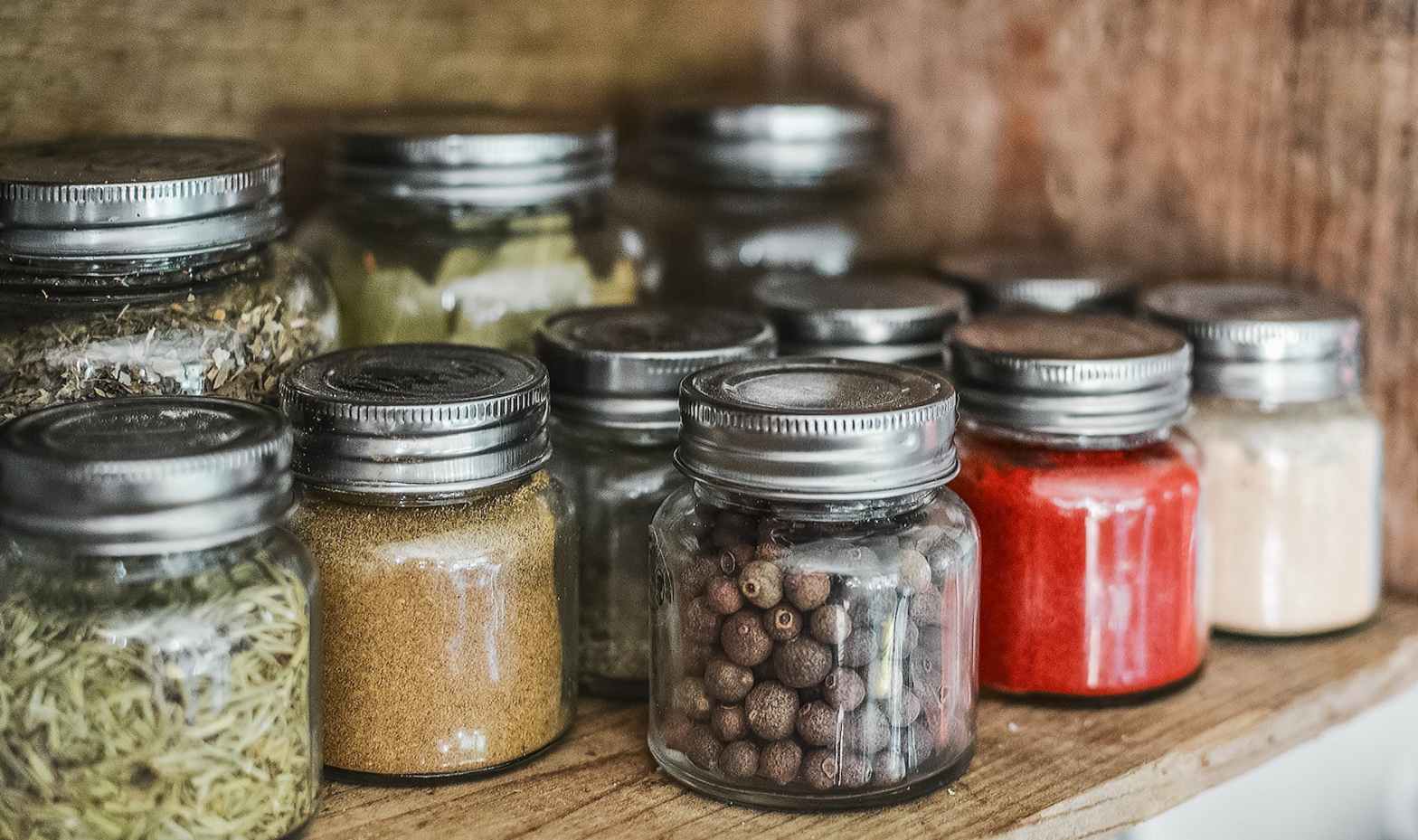
  • Use up containers – While you can go for the aesthetic and present your pasta in a jar, the most eco container is the one you already have! Be it takeaway boxes, tubberware or bottles, use the containers you already own to cut down on single-use plastic. Even hand wash, shampoo and oils can be refilled using bottles or dispensers.
  • Shop local – Learn more about your food from behind the label. Some shops may stock local produce and nationally grown products, reducing air miles and carbon emissions. Great for children to see their food in its raw form and learn about different foods!
  • Shelfie! – Does your kitchen look cluttered by lots of packaging? Get that organised look but storing your refills in their containers, cutting back on packaging waste and styling your kitchen too.
  • Eco-credentials – Research your local refill shop and see what you could switch to. Refilling helps cut down on single-use plastic waste from packaging, food waste from too-big packs and supports sustainable businesses. You may find your local shop also stocks a few extra products such as more sustainable cosmetics and gifts for family and friends.
Photo by Anna Tarazevich on Pexels.com

So this October choose to enjoy shopping more by refilling your containers and cupboards with delicious waste-free produce, and you might save some pennies and waste from landfill in the process. What will you cook today? 🍽