12 Days of Blogmas: Day 1 🎄

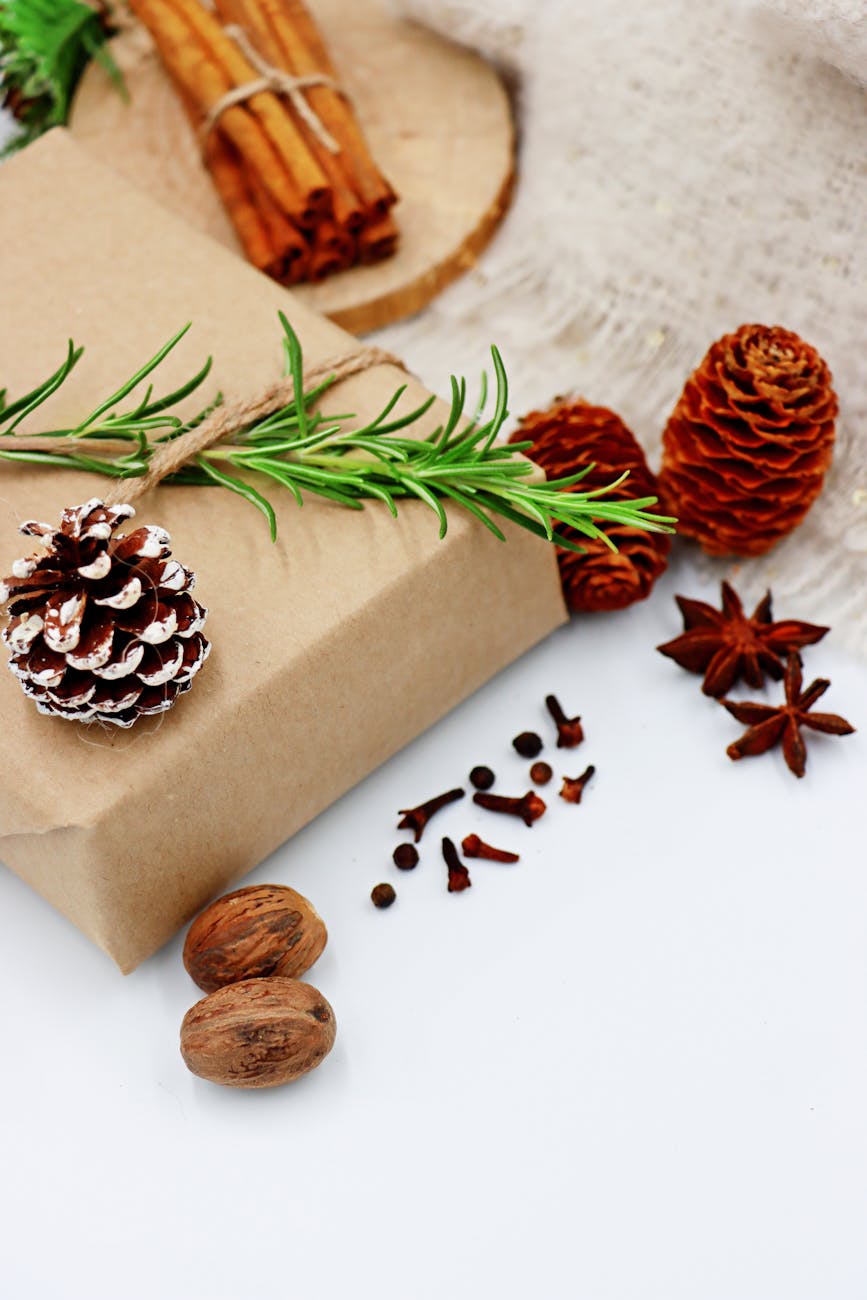
Happy December friends! It’s the last month of 2024 and a particularly festive one at that. Whether you celebrate Christmas, a different tradition or just the joy of another year, this series will provide you with 12 seasonal reminders for living more sustainable lives. First up, the Christmas tree!

A staple in many households, the Christmas tree is the pinnacle of festive magic, and we can all make sure ours brings only good things this Christmas. If you have a plastic tree, make sure to invest in a good quality one that can be used every year from purchase onwards. While plastic pollution is a huge issue of our times (not helped by certain treaties not being signed *cough cough*), the best thing you can do with a plastic tree is reuse it every year, and hand it down when you’re finished with it.

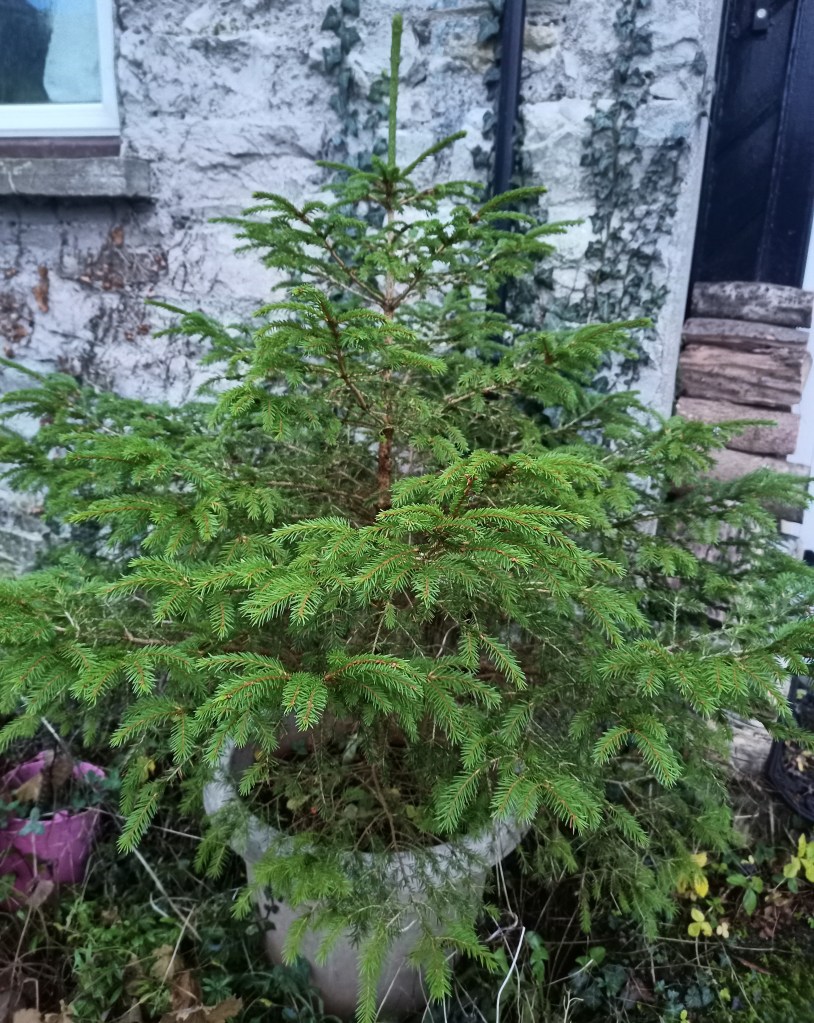
If you don’t have a plastic one and really want to opt for a real tree, the best decision you can make is to have a potted tree, so that your tree can keep living and can be reused every year. You could plant one yourself (see one I made earlier in photo below), or use a Christmas tree rental service, where you can return your tree after the festive period to be cared for until next year (Here’s an example of one rental service, but you might find one near to you). It seems such a shame to cut down a living thing after so many years of growth, so if you can enjoy your tree multiple times (before it reaches a height where it needs permanently planting) and it can carry on its carbon sequestration for the rest of the year, this option sounds like a win-win!

O Christmas tree, how lovely are your home grown branches …

Finally, if a potted tree won’t work for your home, make sure to pick a tree that is certified to be from a sustainably manged forest and dispose of it responsibly after Christmas. Your local council or recycling centre should be able to recycle your tree into woodchips or compost for you, but never plant your tree into the wild or dump it as these trees are not native and can disrupt local environments.

Useful resource and reference: https://www.wwf.org.uk/top-tips-sustainable-christmas

‘To live for the hope of it all’ – Lessons in hope for a sustainable life

In terms of sustainable lifestyles, the data has not been looking good for a pretty long time. Resources are depleting while destructive activities are increasing. Most people know the facts, and yet the situation remains – how can you possibly feel hopeful after that? If there is no solution, why waste your time trying and start investing in beach resorts ready for the rising sea? (The latter an exaggerated but not far from the truth perspective often used by those in leadership positions….)

  • Firstly, if you have no hope of anything better than this, then there will simply be nothing better than this. Ever. You think what we have now is good, acceptable even? (I’m hoping you’ve said no here!) There won’t be any progress unless we are pursuing a better future goal, so hope keeps our thoughts and consequently our actions focussed on the future. If you’re saving for a house you’re unlikely to start spending significant amounts on material items or things that don’t matter to you, simply because you have a future goal that you would prefer more. Hope gives us goals and having a goal helps us make progress.

  • Next up, hoping for something better helps us visualise what we want, not what we don’t want. Humans have the ability to experience whatever we focus on, which is why using a positive mindset is a useful strategy for all sorts of things. Similarly, if we focus on what we don’t want, we experience that as well. I want you reading this to NOT picture a giant fluffy purple dog, with its wagging purple tail and floppy ears. Jumping all over the space in front of you, licking your hand purple fluff sticking to your clothes. (Did you start thinking about a dog? 🤔) The same thing happens when we think about our own lives and sustainability more generally. Your hope might be to spend more time reading rather than driving, so you pick a commute by public transport that allows you to do that. Or maybe to eat more healthily with more homemade meals, so you prioritise buying seasonal fresh produce to use at home. We could visualise a future with no wars, collaborative leadership, clean air, water that is safe to swim in and bursting with life, so that you can spot fish of all kinds when you’re snorkelling. It could be a future where it is easy for you to spot nature and wildlife, even close to home, where wages are more equal and where we don’t even have a general waste bin, because everything is reused. These things aren’t impossible, so why wouldn’t we hope for them? Hope gives us a vision of what we want and what could happen if everything goes right, because that is still a possibility.

  • Finally, if you were to ask me ‘why do you still have hope? How can you possibly have any left?’, I would say because achieving sustainability is entirely possible. If you read the books, look at the facts, it is bleak now but we have all the tools and know the answers to make it right. We know we need a solar energy revolution, and that solar combined with some support from other renewables can decarbonise our energy systems. We know that all wild spaces need to be protected, and that nature can bounce back and helps us redistribute the imbalance we currently live in. We know where our money shouldn’t be, and where it should be invested in. We know that the linear and disposable cycle of waste is damaging and the system must be made more circular. The options are completely available to us, right now on Earth, with no brand new technologies or relocating to other planets necessary. We just have to do it. Makes sense right? Hope shows us what we are fighting for and to never stop.

Embracing Autumn 🍂

  • Make the most of the late summer bounty – If you were able to make the most of the last warm rays and pick your own fruit, such as blackberries or homegrown produce, now is the time to fill your freezer with fresh produce for the winter months. Going blackberry picking in the summer is a favourite tradition of mine, made all the more sweeter when you can enjoy the fruits for months to come by using them in jams, desserts and baking. Just remember to only take what you need, and leave plenty for others and the local wildlife. If you’ve grown your own fruit and veg, make sure to harvest the last of your crops and store them for future use, to keep enjoying them long after the growing season ends.
  • Create a cosy autumnal home – I always find the changing of the seasons, especially from summer into the cosy months, I great time to invest in your living space. Have a declutter, paying attention to any summer items that weren’t used this year and donating or recycling if you no longer use them. Once you’re happy with your space, use seasonal decorations, such as strings of dried leaves or plants, blankets and warm furnishings to bring autumn into your home. Even when your day-to-day may not have changed too much, changing up your space to reflect the seasons helps us to mentally transition to the colder months and remind us (if we needed it!) all the great things that autumn brings: cosy evenings, crafting projects, home baking, crisp walks – need I go on?
  • Getting outside – While the temperature may be dropping, this shouldn’t stop you embracing the season, getting out of the house and enjoying your local nature. One of my yearly highlights is going for a crisp autumn walk, hearing the leaves crunch underfoot and layering up in hats and scarves, so while the air might feel fresh, I’m all cosy and wrapped up. Taking time to notice the colours changing in the trees, the different species of plants, fungi and animals and being mindful within ourselves to be in the present moment. When we take the time to care for the spaces around us, we know how important it is to protect them. And if you can lend your time to volunteering in a green space, or picking up any litter that you see on your walk, you will be leaving it in a better state too.
  • Seasonal eating – A simple way to cut your food footprint and live more in tune with your own body is to focus on eating seasonal, fresh foods. In autumn, fruits such as apples and pears and vegetables like squashes, leeks and root vegetables are at their best in the UK, ready to be made into warming curries, casseroles and crumbles. You can use this National Trust webpage to see the best produce month by month right through the year. My favourites – homemade pumpkin soup, with some nice crusty bread. Can’t get much better 🍲
Dressing for autumn + holding a pumpkin = my kind of day 🙂
  • Romanticise – Romanticising your life not only helps us cultivate a positive mindset, but is important for sustainability too. You could just whack on the heating all day, keep wearing a t-shirt and hand all your money over or you could create your ideal autumn outfit of earth-toned layers, insulate your home by using your curtains and draught excluders and spend your evening cuddled under a cosy blanket. Of course health is paramount, and there will be times when heating is necessary, but it is important that we make these decisions when, and in the places, we need them, and don’t waste energy where we don’t need it. Do what you can to prepare yourself and your home for autumn, to provide any excessive waste, be it energy, food or otherwise. Maybe not as romantic, but taking the time now to check your home heating systems to improve their efficiency or move to a greener supplier if you can could save you a lot of time and money once winter sets in. In this life so many of us are incredibly lucky to already have what we need to live, so instead of focussing on what you are lacking, romanticise your day-to-day by making this autumn one of enjoyment, experiences and using what you have right now.
  • Refuse the single use – Pumpkin spice latte? Bought my own cup thank you. Halloween decorations? Reused from last year, homemade or natural – no scary single use plastic this year. Shopping bag? Not when I have a beautiful reusable one that compliments my autumnal outfit, but thanks for asking. Increasing landfill and having a negative impact on our environment is so not in this season – ditch the plastic, be fantastic 🧘‍♀️💅

Whether you’re enjoying the array of golden colours on the trees, baking up some tasty pumpkin treats or lighting a eco-friendly candle and cosying up under a blanket, I wish you a very beautiful, happy, healthy and sustainable autumn. If you have any favourite activities for the season that do good for people and planet, let us know in the comments! 🧡

GLL Book Club: Factfulness by Hans Rosling

Factfulness by Hans Rosling ⭐⭐⭐⭐⭐

It’s no joke to say I’ve gone to write this blog post so many times before finally getting my thoughts down on paper, so I do this book the justice it deserves. I first read this book late 2018/early 2019, and unlike any other non fiction book I own, I have reread this multiple times since. If you are looking for an entertaining read, to learn about our world and/or like facts and stats and nicely presented graphics, this is the book for you. Bold statement incoming: For me, this is the book that if asked, I would pick as my ‘book everyone should read’ choice.

In brief, Factfulness is about equipping ourselves with the mental tools to understand what is going on in our world, cut through the noise and understand what is improving and where needs our attention. The book describes ten human instincts, which while useful in our evolution, are not serving us now in our current understanding of society. The book explains how the majority of people have an outdated worldview, and this can hinder our progression towards major goals. For the book, and potentially this blog, with an audience of high income country citizens, we may never experience the variety of lifestyles and wealth inequalities across the world. Therefore, it is important we open our minds beyond our own part of the world to better understand the progress and issues on our planet, many that despite what the news will have you believe, are getting better.

Aside from being extremely educational and a very entertaining book to read, full of Rosling’s own anecdotes and personal experiences, what relevance does this book have to our lives and sustainability? Well its all about understanding the data. If, like me, the thought of reading a book the equivalent of an Excel spreadsheet sounds like something you’d rather not spend your money on, don’t panic! There is no spreadsheet in sight 😮‍💨But if we don’t know the up-to-date data on an issue, how can we know if our current solutions aren’t working? Essentially, we don’t – we spend time having circular conversations about how scary a problem is without realising that it is already improving, such as the time old discussion around population growth. Conversely, it makes it clear to us which problems we really should focus on (hello climate change) and where we should focus our efforts. In terms of sustainability, it is important where we know where the biggest improvements to be made will come from and whether the data is on track to our goal. Individually, it helps us understand if our own beliefs are on track to contribute to the solutions we need and helps us think critically about the news we consume.

I’ve read this book at least three times now. The first time was of course the most eye-opening and impactful, but I return to it because changing your mindset is not a linear process. In between reads it is easy to get swept up in media stories and fear and feel really anxious about the future. But by frequently stopping to check your own knowledge, what the facts show is actually happening, and the progress that has been made, you can reset some of your thoughts about the world and work more intentionally towards global goals – and this book is that stop check. If every politician, corporation, decision maker and even better citizen could read this book and equip themselves with the tools to understand our world accurately and compassionately, we’d have a stronger chance of creating successful solutions to our shared issues. And if even that doesn’t do it for you, this book also includes a fun quiz to test your knowledge against the rest of the world and colourful bubble charts, which are pretty difficult to resist. A definite recommendation from me!

End of summer check-in

Are you playing ‘August’ on repeat? Constantly saying ‘where did the summer go?’ at any opportunity? Generally bemused about how we got to this point in the year? Time for a check-in. Sure, I could have written this in June to make it a nice neat, mid-year update post, but better late than never. Here’s a little update on my 2024 ins and outs and things I’m loving right now… 💕

  • Veggie cooking inspiration ✨🍲

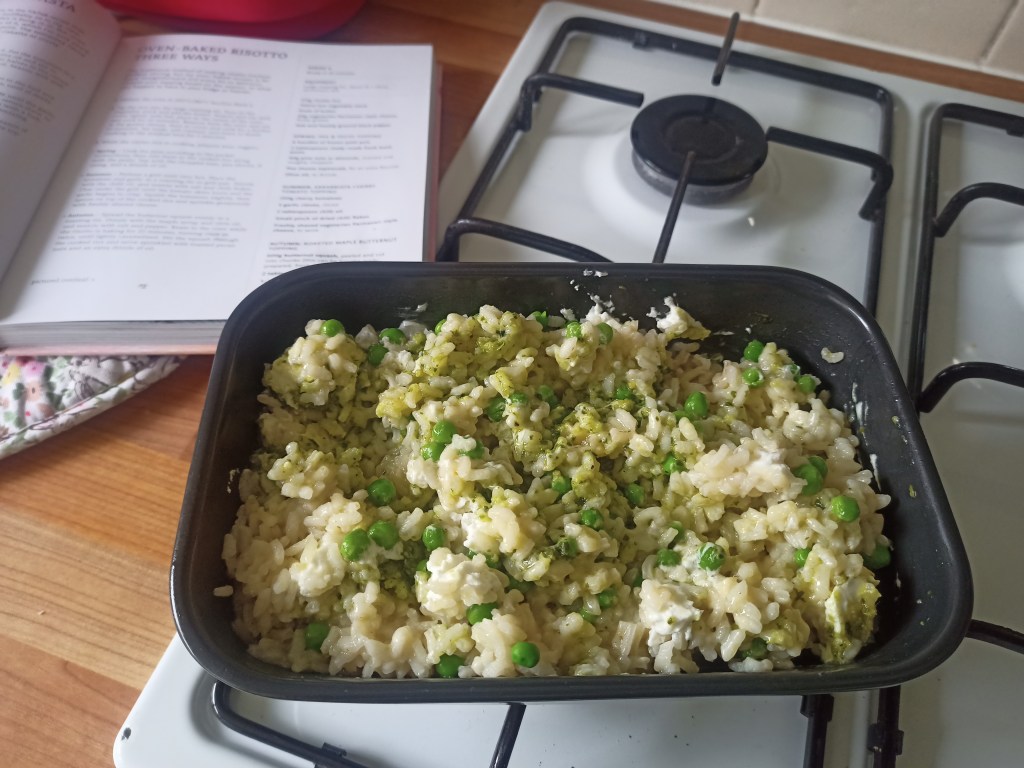
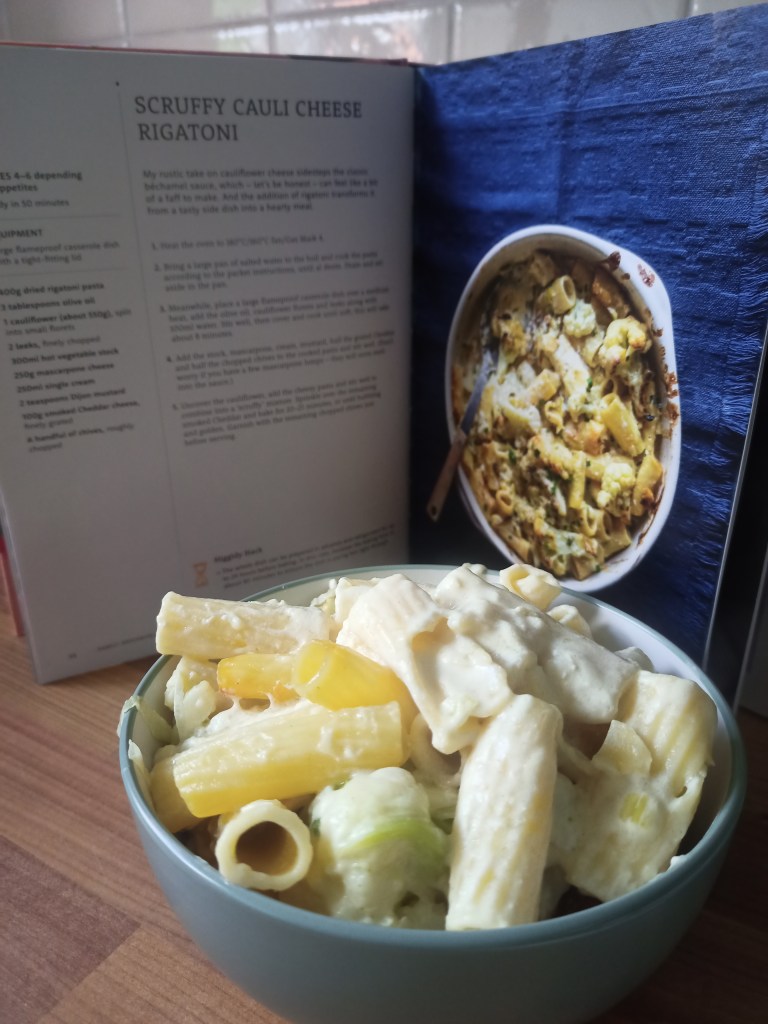
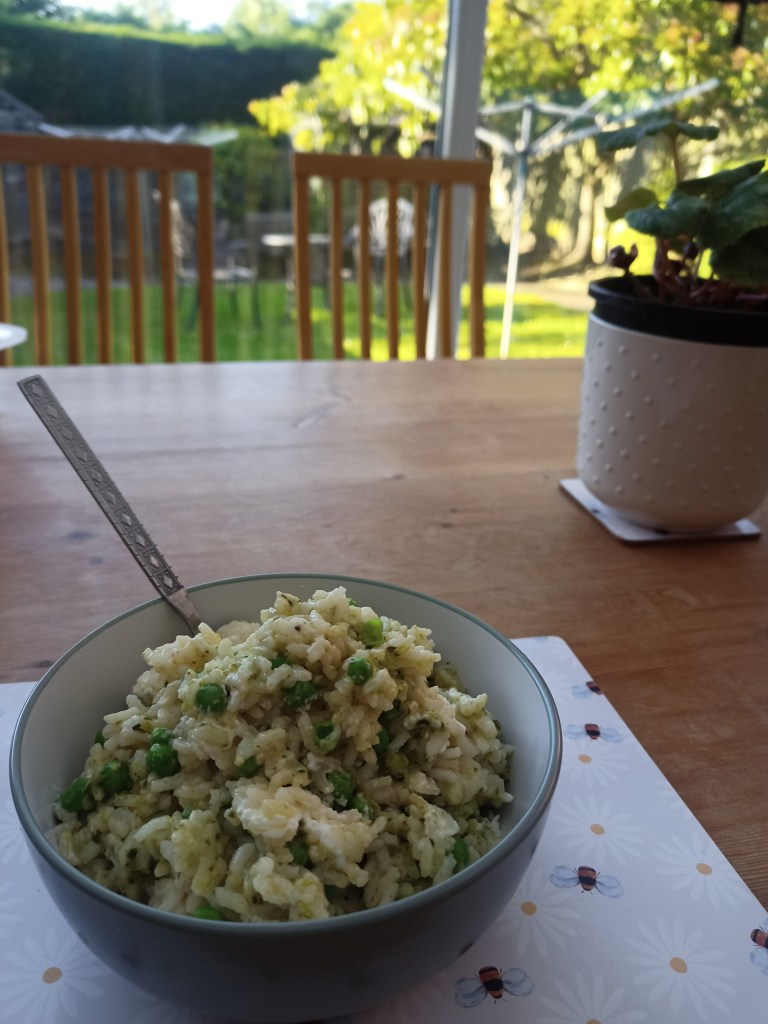
Feeling hungry yet? One of my goals for the year was to experiment more with vegetarian cooking and expand my go-to recipes. At the start of summer I bought the new Higgidy cookbook, Clever With Veg, and I’ve since been working through a number of the recipes ever since, as seen in the above gallery. They are so tasty and very easy to make, in particular the risotto which you bake IN THE OVEN 🫨 with seasonal toppings – delicious but without half the day spent working out if you’re just stirring fried rice or not (just me?). If you have a penchant for feta, this is the book for you. Lots of fresh ingredients, full of veggies and above all it is quality nosh😋 I’m looking forward to trying more from the book and making more comforting plant-based meals.

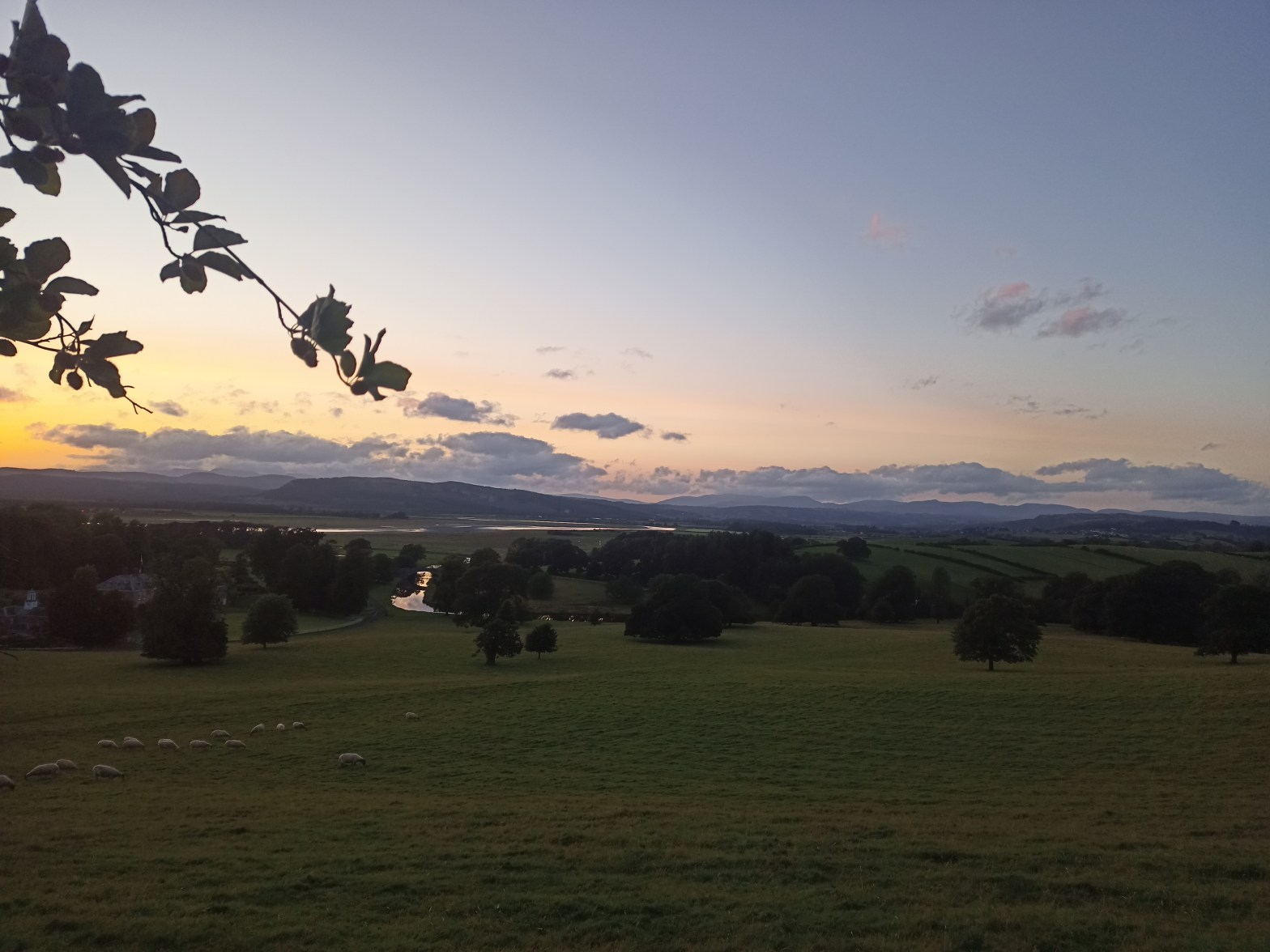
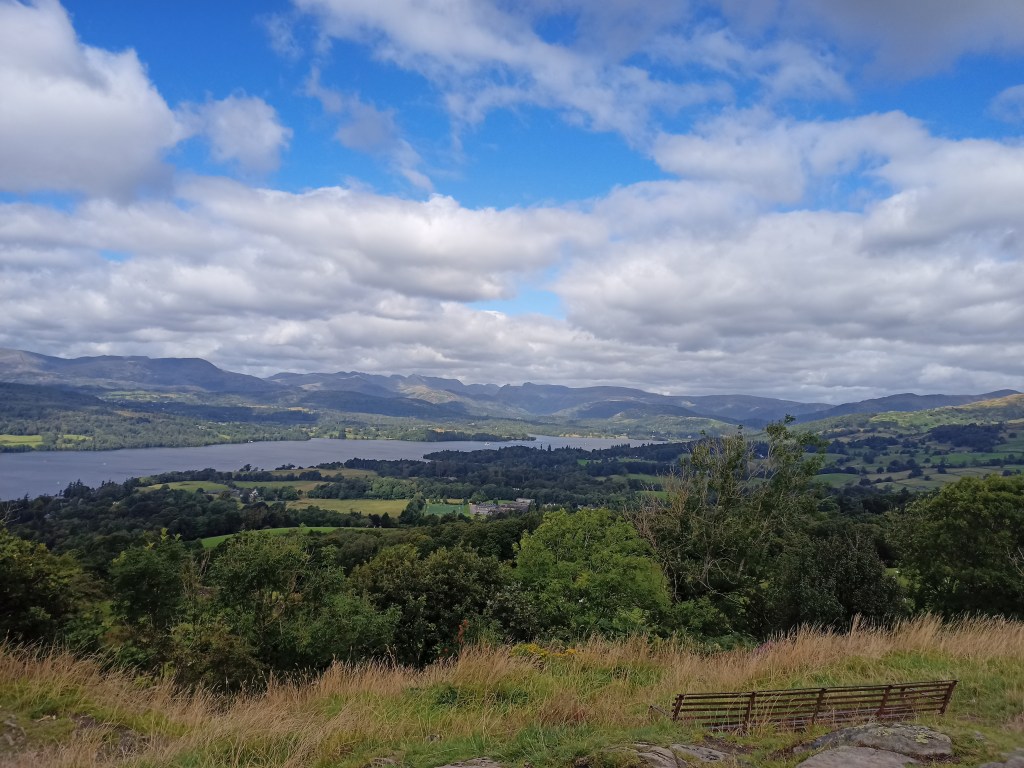
  • Getting out in nature 🌿 – Reminding ourselves that being part of this ecosystem is what it is all about, and sometimes you need some perspective to do that. Whether seeing the big mountains, some rolling fields, the ocean or watching a butterfly in your garden or local park, focusing on nature connects us to something beyond ourselves. I’ve done a couple of new walks recently, and seeing a new view can give you a wave of gratitude and love towards the place you live, reminding us how important community and our environment are. Walking and hiking are great ways to clear the brain fog and feel more wild, but if walking isn’t your thing, even just taking yourself to a green space and allowing yourself time to just enjoy the space – the birdsong, the colours, the smells – is a wonderful way of pausing and making that connection.
‘So much beauty we have to look after’
  • Stuff < Scrapbooking 🧾 – One of this year’s outs for me was overconsumption and the accumulation of stuff. I’m a very sentimental person, so holding onto stuff comes very easily to me. But after a few years of so many amazing things happening, I wanted to keep hold of the memories and pieces I’d collected without losing the keepsakes in the everyday clutter. So I started making scrapbooks, printing off my photos through free apps and sticking them with significant items, like wristbands and tickets, papers I collected and packets of stickers I hadn’t used up. So often we take so many photos but they remain on our phone, so I find doing this makes the best memories more fun to look back on and to share with family and friends. And you don’t have to do it in the formal, old-fashioned photo album way if you don’t want to – customise your scrapbook with different prints, crafting accessories or fold-out items. You could do this for a year, or just a season like summer, whatever season of your life you wish to look back on. Hours of creative fun and a place to store all the keepsakes you want and help you identify those that can be recycled.

What about your goals? As one season ends and a new one begins, set aside a couple of minutes, maybe during your first hot drink of the day or just before bed, to check in with your 2024 goals and sustainability progress. Maybe you’ve made huge strides, congratulations! Maybe there’s still more to achieve… But either way, we have four months left of the year to make an impact on 2024 and put ourselves and our planet in a good place. Soak up the last of the summer sun, wherever you are, check in with yourself, celebrate your achievements and plan your new goals. Maybe a stuffed pepper, scenic walk or crafting session await? 💚

P.S This is our 100th post! Thanks to everyone who has been following from the start, those that have supported in some way over the last 4 years and welcome to any new readers. We love having you all here making a sustainable life together – thank you!

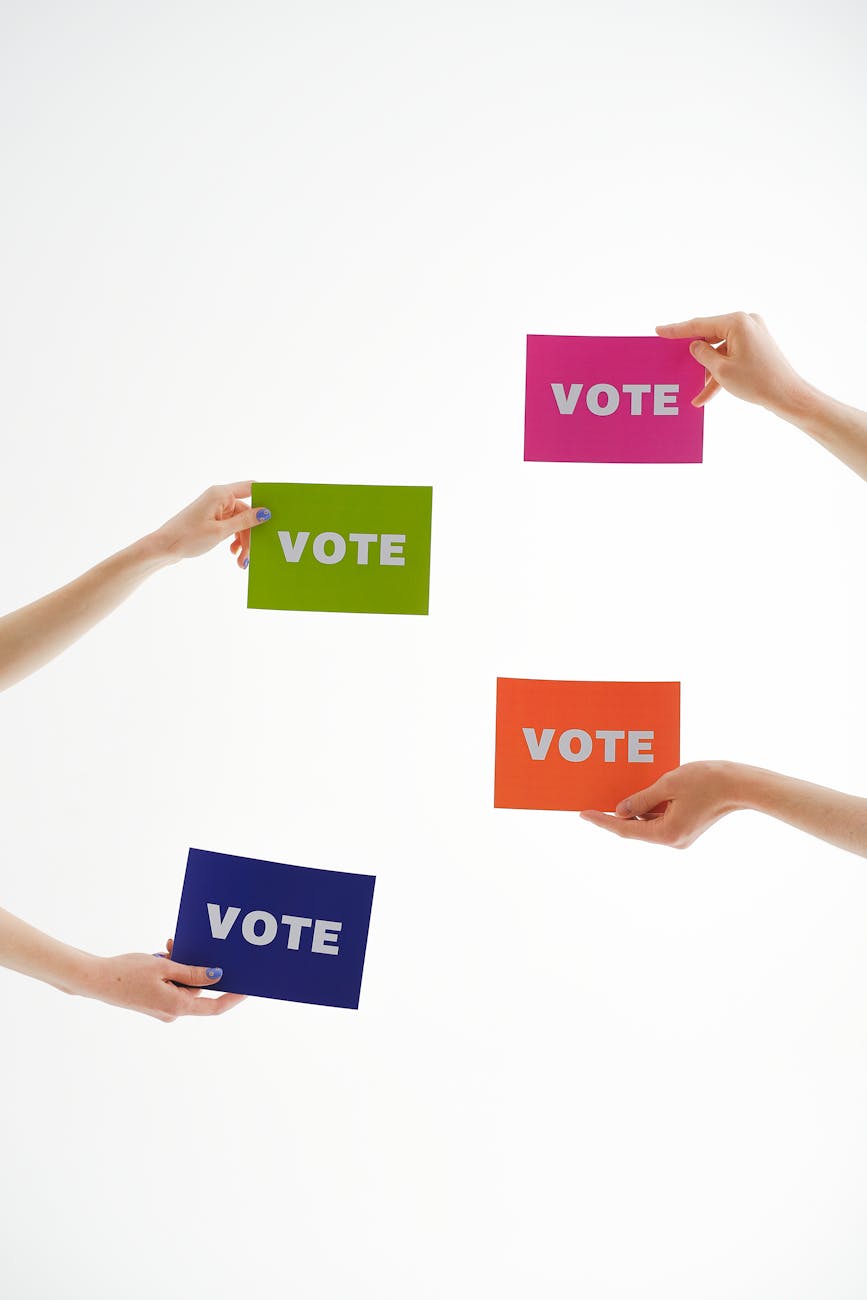
Vote for planet!

  • Priorities – Who mentions climate/nature/environment in their top commitments or priorities? Does the environment or sustainable systems, like just working conditions or a more circular economy, get a mention on flyers or social media posts? If its not a priority for them, this must mean they are not interested in the longevity of any of their other actions then 🤷
  • Greenwashing – Are these environmental claims brand new, or have they been a continuous part of the MP’s agenda? Are they addressing systemic problems or jumping on quick fix bandwagons? Can we trust the claims made? Make sure to do your research from a variety of sources.
  • Use ranking tools – There are a variety of ranking tools online between the main parties, from environment specific to additional areas too. A few to check out include Greenpeace’s climate and nature rankings (https://www.greenpeace.org.uk/take-action/project-climate-vote/ranking/), compare manifesto points using the BBC’s comparison tool, including the environment, transport, democracy and top priorities (https://www.bbc.co.uk/news/articles/cxeez8271nvo) and sign up to VoteClimate (free to view) to access the best climate comparisons are the candidates in your constituency (https://voteclimate.uk/).
Photo by Markus Spiske on Pexels.com
  • Voting style – The system in the UK generally exists as a two party competition, where voting is usually tactical to stop one party winning over another. While tactical voting can play a role in areas where only two parties stand a chance, and one is preferred over another, we can forget exactly what voting is for. We want someone in our local area who aligns with our values, will stand by their promises and deliver positive actions. We want someone who understands the importance of protecting nature and will work hard to reduce the impact of climate change. While there might not be a completely perfect candidate for you, it is your personal choice to pick the person you believe most closely aligns with our own beliefs. For example, let’s say party A and party B are the main choices in an area. Party C has the most manifesto points that you agree with, but you don’t think they can win, so you vote Party B to prevent Party A (sound familiar?). Unbeknown to you, a lot of other people in your area feel the same way and so also vote the same way. Therefore parties A/B remain as dominating parties, even though Party C could have pipped them if everyone had voted as they wanted. Don’t get me wrong, realistic voting is important, especially for ensuring what we don’t want, but for those parties who are prioritising net zero, investing in sustaining our essential systems and backing our fundamental rights, getting a seat at the political table is incredibly important for making sure climate action is a part of our next government, so vote for what you believe in.
  • Key ideas – What actual information should you be looking out for? Key areas for progress include: Homes🏡 (improved installation, energy costs, efficiency improvements), Energy 🔌(transitioning to renewables, no new oil, gas or coal plants), Transport🚆 (investing in clean public transport and reducing the impact of air travel), Nature 🌱 (stop sewage pollution, strengthen wildlife legislation, encourage rewilding and conservation, support regenerative farming), Economy👷 ( transitioning to a green economy and jobs, stable employment) and Policies⚖️ (such as backing global environmental treaties and protecting all human rights). For more details and to pledge your climate vote, visit Greenpeace’s website for additional information.
  • Talk about voting – Whether it’s with candidates or friends and family, let people know what is important to you and why being a climate voter matters. Maybe those you talk with feel the same way, but have felt hesitant to change the way they vote. Everyone is entitled to their own choice, but the more open we can be in discussions the better we can understand what type of society we are looking to create.

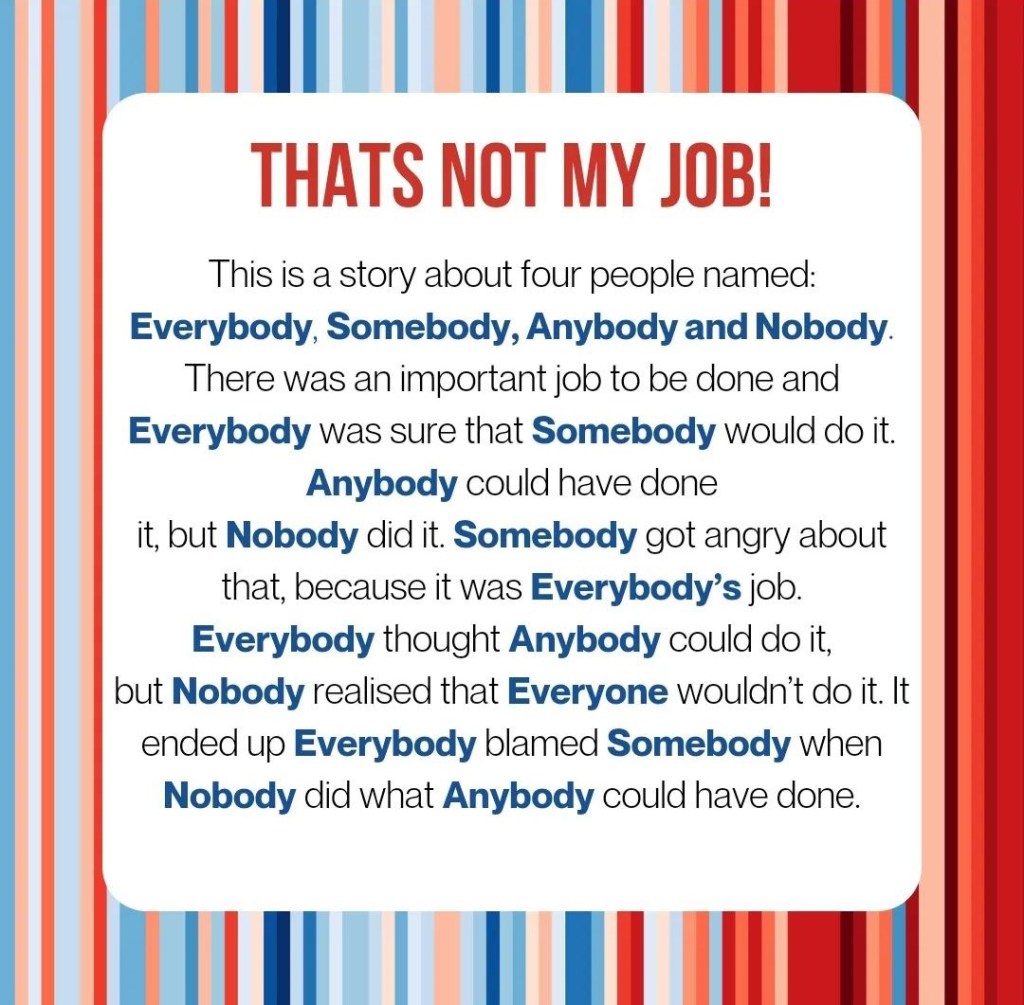
Whose job it is anyway?

Image source: Chester Sustainability Forum Instagram (2024)

Still following?! It’s a bit of a complicated tale, but the essence is clear – anyone and everyone can do something about climate change. But all too often that ‘somebody’ we are imagining is actually nobody. We see this in leadership, politics and daily life, this same story told over and over again. So how do we re-write it? Simple – we must become anyone.

  • Consistency is key – When there are billions of people living on Earth, how do you even know where to begin, or if there is any point if your actions alone won’t make that much difference? Well if everyone thought like that nobody would get involved! You can’t control everything, but you can control your own life, so choose a few commitments and stick to them consistently. Better to consistently eat a number of plant-based meals a week, for instance, or halve meat and dairy consumption than to dive into veganism and only stand by it for a couple of weeks.
  • Sweat the ‘medium-sized’ stuff – As individuals, there is a lot we can do to make sure our voices are heard, but a certain amount of the big decisions lie in the hands of business and political leaders. We could also agonize over every small decision we make, but this will probably make us anxious. To make the biggest impact yourself, hone in on your key lifestyle areas, e.g. Transport, Diet, Consumption and Energy. If you can make a positive change in each of these areas, for instance reducing your air travel each year, reducing your meat intake to a couple of days a week, buying second hand in the first instance and switching to a renewable energy supplier, then you’ll be well on your way to making sure your impact is a good one.
  • You are not alone – And it is so important to remember this. We are constantly shown the bad in the world (and it is terrible) but there are so many people that do care and are working for good. Every good thing you do is contributing to this and creating a better world, so please don’t give up because you don’t see your actions represented yet.

5 things to do this Earth Day🌎

  • 1 – Pick up any litter you see on your walk: Whatever you get up to on Monday, going to work, the shops or getting some fresh air, make sure to take a bag or jacket with pockets so you can collect any litter you find along the way. Not only is litter polluting and dangerous for wildlife, but your neighbourhood will look and feel much nicer without it. Stay safe and don’t pick up anything that could be risky, like sharp edges, without the right equipment, but everyone can play their part when it comes to plastic. Once you’ve spent one day litter picking you’ll want to continue keeping your local area clean and plastic-free! 🥤
  • 2 – Make a packaging-free lunch: Whether at home or to take to work, make a tasty meal for your Monday lunch without any single-use packaging. Feel ultra organised as you feast on your carefully packed lunch without needing any trips to the bin and be the envy of all your co-workers. Chef-level recipes optional. 🍴
  • 3 – Make one wildlife-friendly addition to your outdoor space: Regardless of your space, everyone can enhance what they have to benefit local wildlife. You could set up a bird feeder to support local birdlife, put out a water bowl for visitors like hedgehogs to use or use a window ledge to plant flowering plants for pollinators including bees. Everyone can green their space and make it a home for more than just our own families, so take a look at your space this Earth Day and give something back to your non-human neighbours. 🐝
  • 4 – Learn something new: The official Earth Day website (https://www.earthday.org/) has lots of information, especially on this year’s theme Planet Vs Plastics, with quizzes you can take to see how much you know about the impact of plastics, such as on human health. See how well you do and maybe learn an extra something you didn’t know before… There are also lots of other resources including toolkits which are helpful if you are new to any topics or want to share what you’ve learnt with others. 💭
  • 5 – Switch appliances off for one hour: That’s right, choose an hour on Earth Day while you’re home to switch off all plugs like TVs, lights and kitchen appliances and do something disconnected from energy use, such as spending time outside, connecting with friends or family, doing a hobby or facing that to-do list of tasks we never get round to. Switching things off at the wall and living without lights for an hour may seem scary, but it shows us just how much energy we are using all the time without noticing, and might identify things in our home that we don’t actually need turned on all the time. An Earth Hour for an Earth Day! 💡

Having a low carbon Lent

We’ve had the New Year, with all its resolutions and goals, but if your year has already got away from you a bit, or you’re just in need of a ‘fresh start February’, then setting one clear goal for the Lent period between now and Easter can help you get back on track. While Lent itself has religious origins, and many choose to follow the traditional fasting associated, this period can also be used as a time of goal setting. The short timeframe is especially useful for habit formation, as you only need to stick to your goal for a short period – if it doesn’t work, you haven’t lost much, and if its useful you can carry it on in your daily life. There are lots of organisations and campaigns online and on social media with sustainable Lent ideas, so do have a look around if you still need ideas (e.g., https://www.pawprint.eco/eco-blog/ways-help-environment-during-lent). Below are a few ideas of possible things you could give up/start/change – pick one and stick to it until Easter, maybe it’ll be better than you thought?!

  • Walk/cycle/use public transport to work (or somewhere else you go regularly in the car, like the supermarket) 🚲
  • Follow a vegetarian diet 🫛
  • Give up buying ‘new’ – no new clothes or material purchases, see if you can live with what you have for 40 days. This is a good choice if shopping is one of your more unsustainable habits! 👚
  • Give up using the tumble dryer in favour of natural drying methods 👖
  • Single use plastics – if you’re struggling to remember to use your reusable containers and cups, this would be a really good goal to help you make reusables a habit 🍴

These goals are great if you are new to sustainability swaps, and want to improve aspects of your life that have the most impact at the moment. As it is such a relatively short length of time, I would encourage you to pick one that will challenge you and isn’t just a passive easy fix. So many of the changes deemed ‘sustainable’ have additional benefits, especially for ourselves, so you won’t know unless you try.

Additionally, you could make your goals bigger if you want more of a challenge, such as following a plant-based diet or avoiding all single occupant car use. But alternatively you could set more introspective goals that aren’t directly linked to sustainability, such as giving up social media for 40 days, picking up a brand new hobby or going for a daily walk. Not just benefitting your health and wellbeing, working on yourself also means you’re less at risk of burning out and are able to sustain your positive actions. Moreover, while seemingly indirect to us, everyday habits like scrolling our phones and social media have their own carbon emissions and environmental issues (more information can be found from this blog by the Carbon Literacy Project https://carbonliteracy.com/the-carbon-cost-of-social-media/#:~:text=Cumulative%20impact&text=According%20to%20Greenspector%2C%20there%20were,the%20carbon%20footprint%20of%20Malaysia.). For 40 days, we can pause these actions and swap them with less intense activities like reading or crafting, and take time to notice any changes in ourselves. Th best Lent goals are the ones that continue long after Easter, so focus on making your actions work for you.

2024 Ins & Outs

It’s definitely too late to say ‘Happy New Year’, but as it’s the first post of the year, I’m going to say it anyway – Happy New Year! 🎉🙌 We are already a few weeks into 2024, and to make sure this year is a good one, I thought I’d hop on the trend and share my Ins and Outs for this year, both in sustainability and life. These are the things I want to focus on and attract, and the things that I don’t need to take into this year. Maybe you could make your own too? Do share in the comments what your own list includes…

Ins ☀️

  • New veggie recipes – I’ve been really enjoying my transition so far to a more plant based diet, so this year I want to be more open to trying new recipes and vegetarian foods. A couple of weeks ago I made my own risotto, which was TRICKY, but so delicious! I’ve also got really into adding wholegrain mustard to dishes😋 So instead of getting stuck in making the same comfort meals, I’m going to try something new each month, maybe there’s a new favourite food out there?!
  • Making connections to nature – I did the Big Garden Birdwatch again yesterday, and I’d forgotten what a beautiful pleasure it is to feed the garden birds and sit and watch them without distractions. Life is far too busy, so I want to value being in nature just as much as any part of my life, to keep really grounded and remind me why sustainability matters, to look after all this beauty 🌎
  • Dressing the way I want to – Are you like me and have loads of clothes, but just wear the same leggings and jumper on repeat? I already have a wardrobe of all the clothes I need, so I want to be more creative with how I put outfits together to suit my own style. Maybe it feels a bit dressy compared to others, but as they say, comparison is the thief of joy, so wear what you like. 👗

Outs 👎

  • Letting perfectionism get in the way of progress – This applies to so many things, but especially in sustainability, not being a perfect environmentalist is not an excuse to not keep trying or inspiring others. I often get caught in the trap of not making a point in case it’s used against me, but we can appreciate that as people we are not completely disconnected from the issue, but are aware change needs to happen and are working towards it in the ways we can. Both can exist at the same time. Wherever you have influence, that’s your space for change. 💚
  • Overconsumption – We. Don’t. Need. The. Stuff! I am very lucky to have so many nice things, so now I’d rather spend my time enjoying them than add anymore and risk feeling overwhelmed by ‘things’. Now, I’m going to resist the urge to shop as much and instead ‘shop’ what I already have, which is usually just as surprising and fun! 🛍️
  • High levels of screen time – For the comparatively short time I’ve been on social media, I very quickly discovered what amazing things it can do, all the information I’ve found out through these apps, followed by how much time I spent on them, and then how I seemed to use them as a coping mechanism. I know it’s not good for my little brain or my health, so I’m choosing to stick to strict screen limits and find alternative activities. Surprisingly, since I went on a little digital detox over Christmas, I’ve found it much easier to not open the apps this month. I’ve also enjoyed the extra time I’ve spent reading instead, so want to keep this up for the rest of the year. I’m going back to my original rule: Spend more time creating over consuming. 📚