Make-it-happen March

Spring is here! And it brings some hope going forward in the future and some more sun and warmth for the here and now. Before we restart our ‘go go go’ lives, let’s take a moment to reflect on what we have done and can do looking forward, and then plan to make it happen.

Here are a few tips to consider this month, so that we can re-emerge this spring feeling motivated, hopeful and ready to enact change!

  • Make a use-it-up list – while we are all at home, we can use our time productively to evaluate how we use our possessions. Go around your house and find any products that have been sitting half finished for a while and put them in a list, for example: perfumes, hand creams, cleaning products, baking ingredients, shampoo or candles, then commit to using them until they are finished. For one, using up products feels really cleansing and satisfying, especially ticking them all off from your list. But also, this is a great exercise to show you what you have. Maybe it means that you may not waste as many products by buying things you already have, or question whether it was a successful purchase. If that specialist flour has remained untouched, could you question why you bought it – trends, perhaps? Do you actually need to buy any more lip balm, or could you just use the ones you’ve got? BY doing this, you will hopefully connect more to your possessions and it may prompt you to think more about your waste production and spending habits.

Photo by Ann Nekr on Pexels.com
Photo by Maria Orlova on Pexels.com
  • With life beginning to reopen again, let us reflect and plan before we rush back into ‘normal’. What have you learnt or done differently while at home? How can you apply this to your ‘reopened’ life? Take time to question each part of your day and how you could make it better for the planet, and try and make sustainability a priority – our planet needs us now. Do you have to drive to work, or is there some public transport available? Do you have to travel for meetings, or could you do some over video call? Will you continue to be an active part of your local community, take local walks and say hello to neighbours even when you could travel further? How often do you actually need to go shopping, or do you have more than you need at home? All this will help us use this time productively to make greater change going forward and to learn from what we did before instead of reverting to the safety of ‘normal’.

As the new season bursts into life, take some of that energy into your own life and make good things happen this March. Reflect on life right now and motivate yourself to learn from this time to continue to create positive change and make this year the year where we looked after the planet and each other 🌺
The Green Guide: Tip No.4 – Greener Gardening

Tips and tricks for making environmentally friendly swaps today!

There are small signs here and there that spring is on its way – a perfect time to start getting back in your garden and create a beautiful haven for yourself. But what if you also made your space work for wildlife and the environment?

We hear all the time about the way our environments and ecosystems are being degraded, destroyed and urbanised on Earth. But as individuals we have a huge power to create thriving places of nature within our gardens. We cannot always have power over government decisions, but we have control over what we do with our own piece of Earth within our own patch. Imagine if everyone in the country created gardens for wildlife as well as ourselves – we could create a huge interconnected national park, without even leaving our homes. Even if you don’t have a garden or do not own your local green space, there is so much you can do to maximise your space to work for nature. If you are unsure about how to create a more sustainable garden, have a look at these following tips and check out other information online and in books specially on the subject to help you out.

  • Firstly, to really make our gardens a great place for nature, we need to rewild them. Rewilding is the process of nature restoring its natural balance without much human interference in order to establish a stable ecosystem. So to do this, you are going to have to let go of that perfect idea of a garden: neat mown lawns, paved areas, manmade driveways full of impermeable surfaces and complete control, as this does very little for nature and is difficult to maintain. Start by seeing what your garden tends to naturally do, and try embracing it, maybe in small areas at first. You could still keep a few manicured elements if you really love them, like a mown lawn, but leave a corner of the garden to grow wild. Try to look at each level of your garden ecosystem and implement some degree of rewilding, from the soil to the ground layer, understorey, shrubs, canopy and climbing layer, to create a full and rich wild landscape. Ideas include:
  1. Leaving wildlife corners of your garden, with piles of natural materials e.g. sticks, branches, off-cuttings from gardening, logs, leaves…………………………………………………………….
  2. Creating a pond – water is essential to wildlife, so if you’re up for the project, create a wildlife-friendly pond in one part of your garden. Small space? Create a mini pond or add a bird bath or small water source for animals to use. Fancy a go? Check out this guide to designing and building a wildlife pond How to build a pond | The Wildlife Trusts
  3. Let plants grow where they are and to the size they want, as in time all the species will establish a balance between them which will eventually stabilize.
  4. Leaving some/all of your lawn to not be maintained by a lawn mower and encourage a range of species including wildflowers to increase biodiversity.
  5. Creating a dead hedge as a boundary instead of a traditional wall or fence (See Dead hedge (forestgarden.wales) for ideas)
  6. Create a green/living roof on any outdoor buildings such as sheds to increase plant cover and habitats.
Photo by Leah Kelley on Pexels.com
  • Choose Peat-free compost for gardening and growing – peat extracted for compost degrades finite and ancient ecosystems and releases lots of CO2 into the atmosphere that was once locked away. Choose peat-free composts when shopping or use your own homemade compost from garden and kitchen waste.
  • Species specific changes – a small word here on some of the things you can specifically do for native species found in UK gardens:
  1. Create gaps in hedges and holes in fences so hedgehogs can pass through as they roam around from garden to garden at night
  2. Put up bird boxes or plant trees with good nesting sites for small birds, such as finches, and put up hides for other organisms such as mammals, frogs and toads
  3. Put up bat boxes on walls for a variety of bat species
  4. Make and put up bug hotels for insects to live in and as a food source for birds and mammals
  5. Create warm covered areas for reptiles like slowworms to hide
  • Weeds – as the saying goes, weeds are just plants in the wrong place. Many of the plants we consider weeds are in fact native plants and wildflowers that are beneficial to wildlife. The best thing you can do is change your mindset and embrace weeds, incorporating them into your garden design. If you really don’t want to do that, please do not use chemicals, as herbicides and pesticides of any kind will only have negative consequences for wildlife as the chemicals rarely impact only one species without effecting any others. Instead, remove the weeds and plant them together in pots/containers or elsewhere in the garden so you can create a wild area as well as a designed area.
Photo by Kristina Paukshtite on Pexels.com
  • Small spaces – if you have a balcony, you can still make space for wildlife. Research some plants that would accommodate your space, such as dwarf varieties of trees or plants that grow well in vertical or hanging planting schemes. No garden or balcony? You are still not off the hook! It you have a window ledge then you can create a great window box with wildflowers and herbs to attract bees, butterflies and other insects who urgently need our help right now.
  • Native species – when choosing the plants in your wildlife garden try to choose native species to your location. Local wildlife are familiar with these species and are more likely to use them as a habitat than unfamiliar non-native species, which can spread at the expense of native wildlife. Check out your local native species on local wildlife or gardening websites ( try Specify Your Location – Native Plants Finder (nwf.org) if you are in the USA, Trees and shrubs: native to Britain / RHS Gardening and 20 Native Wildflowers to Grow – BBC Gardeners’ World Magazine in the UK and Invasive Non-Native Species – The RSPB to identify problematic invasive non-native species which may appear in your garden) or contact your local nature group for more information on species specific to your local area.
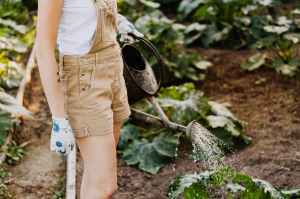
  • Grow your own food – growing fruits and vegetables can be really fun, delicious and reduce your food’s air miles and waste packaging. To ensure you garden in harmony with wildlife, use natural methods of pest deterents rather than chemicals, do not use netting to protect crops which wildlife may get stuck in and use companion gardening to create natural habitats in growing beds. If you grow in a kind way where you accept that your crops may not look exactly like the ones in the supermarket and one or two may have to be sacrificed to wild creatures, then you will feel comfortable gardening with wildlife instead of battling against it.
Photo by Karolina Grabowska on Pexels.com

I am not a gardener, and this is not expert advice, just some tips to get you started. If you have a space you can rewild and let wildlife into, I would recommend doing some further reading to help you get started, such as:

  1. Rewild Your Garden by Francis Tophill (Rewild Your Garden by Frances Tophill | Waterstones) – I was given this book myself and it has been a great help for me in understanding more about how to rewild each part of a garden and the various layers it can be done in. Also, it is beautifully illustrated, so if like me you like to read books that are pretty, this is a lovely guide.
  2. Check out other wildlife gardening books here Natural & wild gardening books | Waterstones, such as Wildlife Gardening by Kate Bradbury, great for learning from, sharing with friends and having on your coffee table.
  3. Websites such as: The Wildlife Trusts (Wildlife Gardening | The Wildlife Trusts), RSPB (Gardening For Wildlife – The RSPB) and The Middle-Sized Garden (How to create an easy sustainable garden – The Middle-Sized Garden | Gardening Blog) to name a few.

In your sustainable journey, creating an environmentally friendly garden is one of the most exciting, creative and impactful things you can do. It is your piece of land to do what you want with it; your chance to fight climate change, live with rather than without nature and create a stable and blossoming ecosystem. Create a garden that you want to spend time in, but also maximise what you have to help wildlife and nature to restore itself now and in the future. This is your decision, and your chance to make your own changes for nature. Take it!

An Ordinary Human’s Guide To…. The Circular Economy

Eh up, Time to crack out the Financial Times then……..

It may sound scary and like you’ve ended up on the wrong blog, but rest assured that understanding this new approach to the way we live our lives will be fundamental in shifting to a more sustainable society 💰💲💰

This series hopes to break down key sustainable terms and ideas to make them more accessible for everyone to understand and use to make change. If you are already are familiar with these ideas, refresh your mind and use your knowledge, but if this is new to you, read on and learn!

To start off, visualise a circle. Got it? This seems easier already…..

A circle has no end and is a continuous shape. This is what we try to reflect in a system known as The Circular Economy, a way of preventing waste by keeping materials in use through recycling. This approach mimics nature: Plants and animals use each other during their lifetimes, then their nutrients are reused when they die through the soil to be made into new life. Currently, we can be said to be using a Linear Economy, where we as humans “take, make and dispose” of materials. For instance, what would you do if your phone broke? Buy a new one? This is an example of an item being made for one particular use, disposed of as waste, then replaced by a completely new product. This system is incredibly wasteful – in direct forms as landfill and also in terms of wasted economic capital (e.g. the money and resources used to make that product are thrown away, with no value or benefits after use). The Circular Economy, as promoted by the Ellen Macarthur Foundation, seeks to: design out waste and pollution, keep products and materials in use and regenerate natural systems. You can find out about this idea in more depth at What is a Circular Economy? | Ellen MacArthur Foundation (I especially recommend watching the video as a great introduction to the topic https://youtu.be/zCRKvDyyHmI)

Photo by Evie Shaffer on Pexels.com

So if you don’t work at Wall Street, how can you make a difference? Firstly, if you do run your own business or are involved in a business, no matter how big, can you look at redesigning your system to reduce waste and make your company more circular. Becoming circular not only reduces waste but may help profits if you conserve as much of the materials and previous waste-products as possible. However, when looking at our sustainable lifestyles at home, take some time to consider how you could make the way you live more circular. Could you create new items of clothing out of old ones, upcycle furniture or compost food waste? Although our familiar idea of household recycling is really important, see where else recycling could take place in terms of use, design or place. This approach is as much about lifestyle as it is about business, so do a little research and see where it could be applied to your own lifestyle.

The Circular Economy is a big and complex idea, so for more information, check out these resources:

Hopefully this was useful in introducing some people to this idea. While this post is only a brief explanation of the idea, hopefully it is enough to make you think about how you might currently create waste on a personal scale and how you could introduce more circularity into your life🟠

Eco-Friendly February

So we’ve started the year (in some way) and have set our own personal goals for the year ahead. Now its time to start taking action and creating habits we can commit to at home as well as continuing in the future.

This month, start by making small decisive changes in your home and routine and stick to them for these 28 days, hopefully leading to the creation of more positive lifelong habits.

  • I’m sure we are all asking the web a lot of questions at the moment, so why not make a difference while you search. Swap your usual search engine for Ecosia, the search engine that is combatting global deforestation by planting trees generated by your searches. The advertising revenue (made as part of the search engine) is used to plant trees and improve our planet’s environment. You can keep track of the number of searches you make and the corresponding number of trees you have helped to plant. So add to your home screen and make it the go-to place for all your questions and queries. (Ecosia – the search engine that plants trees)
Photo by cottonbro on Pexels.com
  • Familiarise yourself with Terracycle (TerraCycle) – this organisation helps to recycle hard-to-recycle items from our homes, schools and businesses to prevent waste in landfill. Although you may not be able to travel to a site at this time, take some time to look around their website and find out where your local recycling point is. Then collect the waste you would normally throw away, see if Terracyle can use it (check the for the logo on the product’s packaging) and create a bag or box to put it all in, ready for when you can visit your nearest recycling point.
Photo by Pixabay on Pexels.com
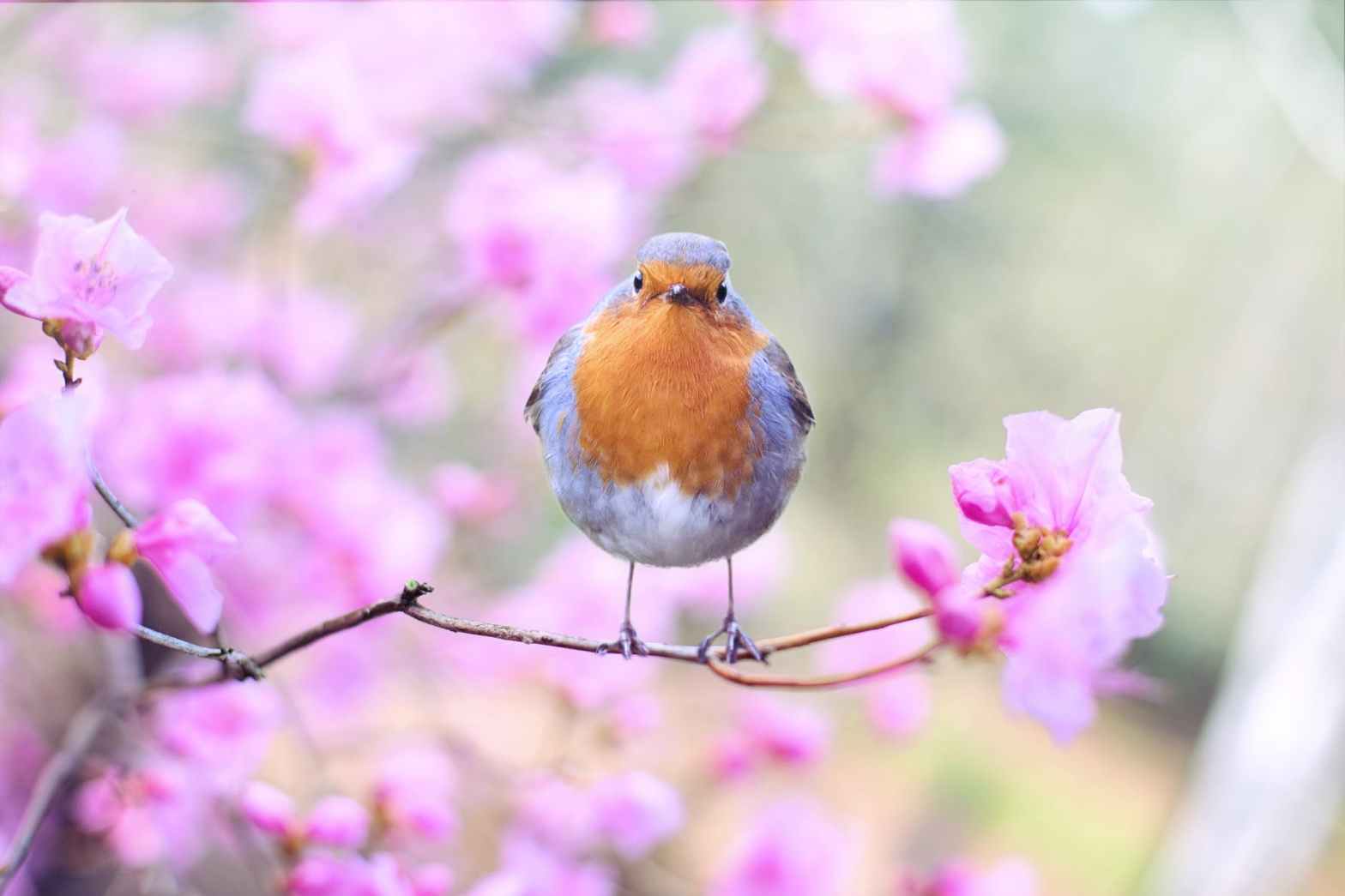
  • Learn bird ID – use this time to appreciate and value the nature on your doorstep by learning a new skill like being able to identify your garden birds. ID charts from the internet (e.g. Bird Identifier | British Garden Birds and Many More – The RSPB) are a great resource for helping you get to grips with what and whom is visiting your home. As you pick up your skill, you may start to see that certain individuals call your garden home or that there are patterns throughout the day that you can look out for. If you are a little more advanced, you could try learning some of the bird calls or noises in your garden and try identifying wildlife that way. At this time of uncertainty, really emersing yourself in the wildlife around you can be a great way to keep up your connection with nature and a real comfort during this period.

February may be the shortest month, but it can still be very productive if we open our mind to creating new habits, learning new skills and welcoming nature back to our homes. Enjoy the process of trying something new and be kind to yourself when putting new ideas into practice – it may not happen straight away, but it is better to start and gradually improve than not try at all.

Activity – The Big Garden BirdWatch

Get involved, make a difference, have fun!

Looking for some way you can take action for nature while staying at home this January? Well here’s just the thing… The RSPB is running its annual Big garden Birdwatch (Big Garden Birdwatch | Join the fun – The RSPB) from the 29th to the 31st of January 2021. It involves taking an hour of your day to count the number of wildlife visitors to your garden or outside space, and then adding your information to the online survey. It is free and really easy to do, so is perfect for everyone at home to get involved with. This event is so useful to see which species are common nation-wide and crucially, which ones need our support. It is also a great way for you to connect with the wildlife on your doorstep, whether you have a large garden or small window box, to strengthen your connection with all the organisms that call your patch home. The more people who get involved, the more data is collected which can help us improve our relationship and support for nature in our local areas. So throw those curtains wide, grab a coffee and get spotting – who knows what wonderful creatures you might see when you take the time to appreciate nature at home?

Photo by Erik Karits on Pexels.com

The Green Guide: Tip NO.3 – All Of The Lights

Tips and tricks for making environmentally friendly swaps today!

This tip covers a simple habit change that will help to combat the infamous environmental lecture about turning off the lights… 💡

“Turn off the lights!” is probably one of the oldest and most well known ways to save the environment, but how many of us actively practice saving electricity by turning off the lights? It’s so simple, yet for many so much energy is wasted and light pollution caused by ignoring this simple act. It may not be ground-breaking, but as with the majority of individual change, small actions add up when we all practice them, eventually becoming something much bigger. I believe for sustained change to happen in our lives, we have to turn these actions into positive habits, so that practising them no longer becomes a chore but second nature to us. Therefore, while this is not advocating sitting in a dark room for the rest of your days, these habits may help you to be less wasteful by considering your light energy usage…

  • Firstly, reacquaint yourself with the basics: if no one is using a room – turn the lights off, if you leave the room – turn the lights off. This will in time become a habit as you flick the light switch each time you leave and enter the door (with the emphasis on switching lights off as you leave the room).
  • A handy rule to use is a kind of light budget – you have to turn a light off in order to turn one on….. Or perhaps only having a set number of lights in use in your home at one time. Therefore if you want to use a light in another room, you first need to turn one off somewhere else. This helps conserve electricity, reduce light pollution and create a homely, cosy vibe in your home.
  • Additionally, you may want to go further if you are able to by investing in energy efficient lights, using light timers or using solar panels to generate your electricity. I won’t go into depth here, but this may give you an idea to research next time a bulb blows or you give your home a lockdown update…

That was short and simple Tip No.3 – hopefully one that you can start considering and practising straight away. There’s no need to strain your eyes or cook in the dark, but by tackling and mastering the habit of switching off lights when not in use, you are taking another step towards making your home more efficient and less wasteful. ⭐

Self-care & Sustainability

What at first seems to be way off subject is actually an important topic for both ourselves and the environment…

Never before have we understood mental health like we do now. In recent years, awareness around mental health and well-being has grown, and I’m sure many of use could recite some of the common tips: sleep well, eat healthily, structure your day etc… But you can never really understand these issues until they are experienced. In the last year, it is likely that the majority of people experienced some kind of mental health concern and some changes in their well-being stemming from the impacts of the pandemic. For myself, I feel as though I’ve made more decisions and changes to my ‘life plan’ recently than I have in any other time previously. And while that can still feel uneasy and strange, I have learnt a lot about myself and my mind which will help myself and my choices going forward. (Warning: this could be a long one….)

What has any of this got to do with sustainability? Well, as the quote goes, ‘before you save others, you must save yourself’. Environmental issues and the climate crisis are huge problems with devastating impacts if ignored, so its no wonder feelings such as eco-anxiety are on the rise, especially in young people, as feelings of helplessness lead to feeling overwhelmed and anxious. Therefore it is so important that we create our own inner strength in order to have the confidence and stability within to be the ones creating change for the planet.

  • What comes to mind when you think of traditional self-care? Do you picture candles, baths, face/skin masks, having your hair or nails done, buying a new outfit? Often these are thought of as ways to look after ourselves, but in reality these things alone are not what brings sustained benefits. many of these activities relate to beauty on the outside – making a short-term impact to the way we look in the hope that if we look better we will feel better too. The actual action of lighting a candle isn’t what constitutes as self-care, but what we do in that time we allowed ourselves. Some of these beauty rituals can be environmentally wasteful too, such as disposable sheet masks or high consumption activities. So know you’re feeling worse than before, right? If I can’t have a bath what can I do? There is not right or wrong self-care, since as the name suggests, it is what is kind to you as an individual, but try not to allow material and disposable items define your well-being. For instance, lighting a candle can help you find time to sit still for a moment or meditate as it makes you stay near the place where the candle is (to avoid burning the house down…) and therefore may help you cope with distractions. Or maybe making a homemade face mask (the skin type not the pandemic one!) allows you to take 10 minutes where you are not able to do anything else, and therefore have time to relax or think. So focus more on the intention than the physical item if you are starting a new year self-care routine.
Photo by Madison Inouye on Pexels.com
  • Though skin is an important organ, self-care isn’t just skin deep, but involves the whole body. Having your hair done may make you feel great at the time, but it is difficult and high-maintenance to maintain, so a more nourishing, long-term solution may be needed. Cook nutritional meals using a variety of fresh ingredients and flavours to nourish the body and soul and use movement to reconnect with your body doing whatever exercise suits you. There is no set way to care for yourself, but hopefully over time you will find what works best for you: morning run or evening yoga, quiet face mask time or five minute guided meditation (try free Headspace for somewhere to start). The very first place to start is by identifying your needs as if you were a child – what do you need: water, food, space or a hug? From there you can build yourself up starting with a more supportive foundadtion.
  • Finding your optimal emotional outlet is also essential for regulating our emotions and finding what we can do when we reach feelings of stress and of being overwhelmed. These activities may not be the typical, quiet, meditative activities, but are more likely to be the activities that bring you the most joy. For me, its following an online dance workout where I don’t have to think about the exercise but can just let out any tension by jumping around wildly to music (what an image…!). For others it may be crafting and getting creative, baking, playing/listening to a certain kin of music, going for a walk or playing a game. Nature is an excellent supporter of our health, so try finding a piece of green space or nature near where you can let the mind wander in natural surroundings. Over time you may also realise that you unwind best by yourself, or with others, helping you to better support your own mental health when things get too much by knowing what you need to do to instantly take a tiny bit of the pressure off.
Photo by Lisa Fotios on Pexels.com
  • Sometimes we can feel detached and like we have lost our way. Sometimes, as has happened a lot recently, life reminds us that it is unpredictable and strays from the path we thought it would take. It is easy to say “c’est la vie”, but much more difficult to make decisions when you are not sure what is right anymore. Firstly, reflecting back on this past year or a different time for you personally may help you going forward. I have learnt that when things change, I have to listen to my gut and make difficult decisions that are right for me. A great exercise to do to try and reset yourself is to take time to make a note of your core values. You can find lists online, where you then pick a certain number, or you may wish to choose the ones that first pop into your head. From a sustainability perspective, you may find that when you pick sustainability as one of your main values in life, it is easier to make sustainable choices as it isn’t just something extra to think about that you carry around with you, but rather influences all your choices, from shopping to eating to where you go. For me, the past year taught me that my priorities are health and happiness – so if certain decisions or actions will adversely effect these, maybe I should question doing them? I’ve changed my mind many times over the past few months, and each time realised that when my gut is trying to tell me that something is not right or needs addressing, I should listen to it earlier, because most of the time it is completely right. Some of these unplanned decisions mean that I am able to write this blog, something I didn’t think I’d be achieving but that has brought me so much joy in being able to share my interests with others. So reacquaint yourself with your own key values and let what brings you joy and what you want out of life to help you make your own choices.

If you made it to the end of this post than you deserve a hot beverage and a biscuit my friend….. I hope some of you found this helpful for building a deeper self-care arrangement for yourself which isn’t just surface level, which will allow you to find the personal strength to motivate you to create change and face global challenges. A final point I’d like to make is a simple one – do you brings you joy and makes you happy! Not many people at the end of their life wish that they had gone to a more prestigious university or worked more hours overtime or ticked off more from their to do list, but will cherish the differences they made and the happiness they experienced. So in this uncertain time, support yourself and set your own goals which will allow sustainable personal well-being that can create sustainable change in your own life and on a wider scale.

January Motivation

This may not be the new start to the year we envisioned, but it can still be productive and meaningful. 2021 has to be the year that we combat climate change as if not now, then when? So let’s start on the right foot to make this the year that we fight to protect our planet.

For many of us, myself included, the last few months have brought so many personal challenges that it has been difficult to keep on top of world-saving antics when you feel you can’t even control what is going on in your own world. Therefore, without increasing stress or pressure, we should try and use January to reset our goals and refuel our motivation to create change.

  • New Years Resolutions – may feel kind of redundant this year as the year feels like a continuation of the last, but jotting down a list of sustainable goals may help you see your sustainable transition in a more realistic way ( there is a whole post on this in the Sustainability category of this blog). Put your goals somewhere you will see them often e.g. on the fridge, in a diary or on your phone and try to track your progress in reaching them to avoid the feeling of your goals overwhelming you. Ideas could be: eating two vegetarian meals a week, purchasing packaging free shower products or walking to your local shop instead of driving.
Photo by Olya Kobruseva on Pexels.com
  • If you are struggling for ideas for which part of your life to prioritise when making sustainable change, you could try a Carbon Footprint calculator to see where you emit the most in your lifestyle. The WWF Footprint Calculator (WWF Footprint Calculator) is a great one to start with as not only does it break down your results into lifestyle areas and then steps you can take, but while completing the questions you get a feel for where you know you can improve, helping to direct your New Year focus.
Photo by Simon Matzinger on Pexels.com
  • If right now that all sounds too overwhelming, it’s time to get inspired again. Read a relevant book (Attenborough never fails), sign a petition, watch I am Greta – anything that gets that fire inside of you going again so that you feel inspired to do something to help protect our environment. It may not feel big, but to have the energy to combat an issue as big as climate change we all need strength from within, so if you need to work on yourself first before you join the fight, we’ll be here when you’re ready.

This month doesn’t have to feel wasted or cancelled because of the pandemic, but can be a time for us to reset so that we have a solid plan going forward this year to make this the time of the climate.

Christmas and Sustainability

We’re simply having a Sustainable Christmastime…..!

In the words of Slade themselves, “IT’S (nearly) CHRISTMAS!” and so whatever this time and celebration means to you, it is a time of reflection and celebration of the positives of the world and all that nice stuff. As Christmas is going to be a little different this year, it grants us an opportunity for how we can make our Christmas a little less environmentally wasteful and a little more kinder to our planet. Here are some ideas to help you enjoy the festivities while improving your impact on the planet…

  • Gift wrap – love it or hate it, wrapping presents is a big part of the holiday celebrations, but it need not be a struggle. Why not swap the shop bought gift wrap for materials you can reuse in your own home? Scrap fabric, unused scarves or previous wrapping paper such as tissue paper that you are able to reuse can make excellent wrapping, with the opportunity for those with a creative flair to make a statement using fabric to wrap gifts in knots and fancy ways to bring joy to the recipient. If you don’t have anything to hand, you can of course buy wrapping paper, but try to pick paper which can be recycled more easily such as those without glitter and metallic parts which can cause micro-pollution.
  • Save your Christmas tree from landfill – if you have an artificial tree, the best way to get the most use from it is to buy one that you know you like and that will last, so you can keep reusing it every year, as these trees are difficult to recycle. If you have a real tree, consider how you can get more use from it before you chuck it away. Ideas include: reusing it in your garden as part of a habitat pile or as garden material such as wood chippings, growing your own or buying a tree in a pot which you can bring in each year but can grow outside for the rest of the year (a less wasteful option if you have the space) or taking your tree to a Christmas tree recycling centre/point local to you so that it can be recycled.
Photo by Kristina Paukshtite on Pexels.com
  • Christmas lights – having a large amount of outdoor lights on during the festive period can have an adverse effect on wildlife as light pollution can influence their natural behaviour. It is a good idea to be respectful of your natural environment and turn off lights when not in use or use sparingly. Secondly, it is possible to recycle Christmas lights with electricals, so check with your local council before throwing any lights away.
  • Have a more thoughtful Christmas – sometimes we have a tendency, usually the week before Christmas, to have a panicked shopping session because we feel the need to buy people something for the sake of it. But the reality is that this gift may not be useful to the recipient and therefore may be wasted, adding to the issues of landfill and pollution. Therefore, shop with a more sustainable mindset and gift consciously by picking or making gifts with meaning, or showing you care in a non-material way. There is a growing feeling from the recent world issues that it is not the things we buy that bring us happiness, but the people in our lives and the meanings behind the possessions that influence our home environment that bring us joy, so consider how you can spread festive cheer without being overly consuming this Christmas.
  • Decorations – find your artistic side by making festive decorations from natural materials. For example, why not try fashioning a wreath from twigs, grasses and leaves from your garden? Or use the materials collected from autumn such as nuts and leaves? Beautiful and all ready to be composted when you’re finished!
Photo by Karolina Grabowska on Pexels.com
  • Crackers – probably one of the most well-known Christmas traditions for causing waste, modern crackers often contain many single-use plastic parts which are very wasteful for the environment as they are often left unused after the festive meal or Christmas period. To combat this issue, you could try purchasing more environmentally friendly options which have recently become more popular, such as crackers containing reusable games or activities like origami. Another option is to make your own crackers containing items you actually want! Using paper and a cracker template (easily available online), you can reuse papers as well as the contents of the house to make your cracker! Now that’s something to celebrate…
  • Christmas cards – once the festive season has passed and it is time to dismantle the house once more, give your cards new life by saving them for next year. Rip off the front design and keep them in a safe place for next Christmas when you can reuse them to make your own cards (by sticking them to a base card/paper) or making them into paper chains or other decorations. This way, one card can come back as many different incarnations and keep spreading joy before it is recycled when it can no longer be redesigned.

Whatever it is you celebrate at this time of year and however you do it, I hope you have a wonderful time! If you can, try and see where this Christmas you can make some changes to benefit the planet. Even if it goes the other way for a month, there is lots to be learnt from this season – so if on December 27th you find you have loads of plastic waste or food waste, it will highlight which area of your lifestyle you can work on improving in the coming year. Have a holly jolly Christmas, and see you on the other side! 🎄

A Sustainable Guide To Gift Giving

Christmas shopping is upon us despite its different forms this year, and the worry of what to get who is as strong as ever. Fear not! Compiled below are some present ideas that spread joy and cheer without being less than festive to our planet…

  • Let’s start on a slightly different note – this year has taught many of us that it is not the material things we accumulate that mean the most to us, but the health and happiness of ourselves and those around us and the possessions with meaning which are there for us. Therefore before you rush to buy anything straight away, think, is there something I can share with others? This Christmas finances are especially precious and the state of our planet is of upmost importance, so why not try sharing your skills as a gift to others, without having to be as consuming. If you are a good cook, could you write down a friends’ favourite recipe of yours and share it with them, or take your neighbours some delicious baked goods? If you are a more creative person, could you craft something handmade for friends and family? Did you spend lockdown making jams and preservatives which you could gift to others? Could you perform a song on Christmas day, write a poem or even make and write a heartfelt card? Everyone has something they can share with others, and although it may feel like a small gesture, can be so much more meaningful than a shop-bought present come Christmas Day.
  • Connected to this is the idea of giving meaningful gifts that you know the person will use. It can be easy to panic and buy something material for the sake of it, but this can be very wasteful. So think about each person and what would be useful/ mean a lot to them. Gifts like photobooks, personalised maps and items with a purpose such as cooking ingredients or a bar of soap take on more of a meaning than quick-fix gifts and are less likely to stay unused and therefore be wasted. At this time when it is difficult to be together, a more thoughtful gift which shows someone you care would be a really nice way to reach out to friends and family you can’t physically see this year.

If you do want to buy something for someone because you’ve exhausted all your skills and they’ve had enough of your baking attempts, the following may be of interest …

  • Beeswax Wrap Kit – a great alternative to plastic food wraps which create a lot of non-recyclable waste. As a kit, this would be great for the creative person in your life as you get to make the wraps yourself, adding a more personal element to your sustainable transition. With a variety of fabric patterns to choose from, these kits are really fun while bringing in a more environmentally sustainable element.
  • Solid Cosmetics Products – for the rest and relaxation lover, make their routine a little more waste-free by opting for ‘naked’ products such as shampoo bars, bath bombs, soap and makeup products in packaging free-forms. Another great way of introducing less wasteful products into someone’s bathroom while they give themselves the pampering they deserve.
  • Sustainable product kits – more of these are popping up (especially from small businesses, try Etsy and Not On The High Street), catering to many parts of your lifestyle including cleaning, skincare, kitchen and garden. A fab all-in-one gift for someone who wants to start becoming more sustainable in their lifestyle but isn’t quite sure how.
Photo by Ylanite Koppens on Pexels.com
  • Even if someone on your list has asked for something specifically, you can adapt where you shop to make that process a little less demanding on the planet. This year especially, small, independent shops and businesses need your support. If you are in a position too, check out shops local to you for gift ideas or to check items off your present list, as not only will you decrease the travel distance of your gifts and the amount of packing (often much higher in online orders), but you’ll be supporting your local community.
  • Additionally, look out for brands that are making their own contributions to creating a more sustainable world. Support those who communicate how they are helping protect our environment and let your recipient know what they can do. For instance, businesses like The Body Shop have Refill & Recycle schemes and have partnered with Terracycle to combat the global plastic waste crisis. Let your gift recipient know how they can reuse their gift and sit back knowing your gift is working hard for the environment as well as spreading joy to someone.

I hope this post has given you some ideas for gifts that bring positivity to others as well as doing good for our planet. By applying a more sustainable mindset to your gift giving, you may find that your gifts take on a deeper meaning, as something handmade, purposeful and reusable can connect more with people, especially at this time when contact with loved ones is more difficult. Happy sustainable gifting! 🎁