December reflections

Here we are! Somehow we have made it to the last month of 2020, despite the months losing all meaning since March. Here is the time to reflect on what we have learnt from this year and move positively into the next one.

This December, let’s use our time at home to embrace what we can do in our own homes and reflect on our journey to sustainability so far…

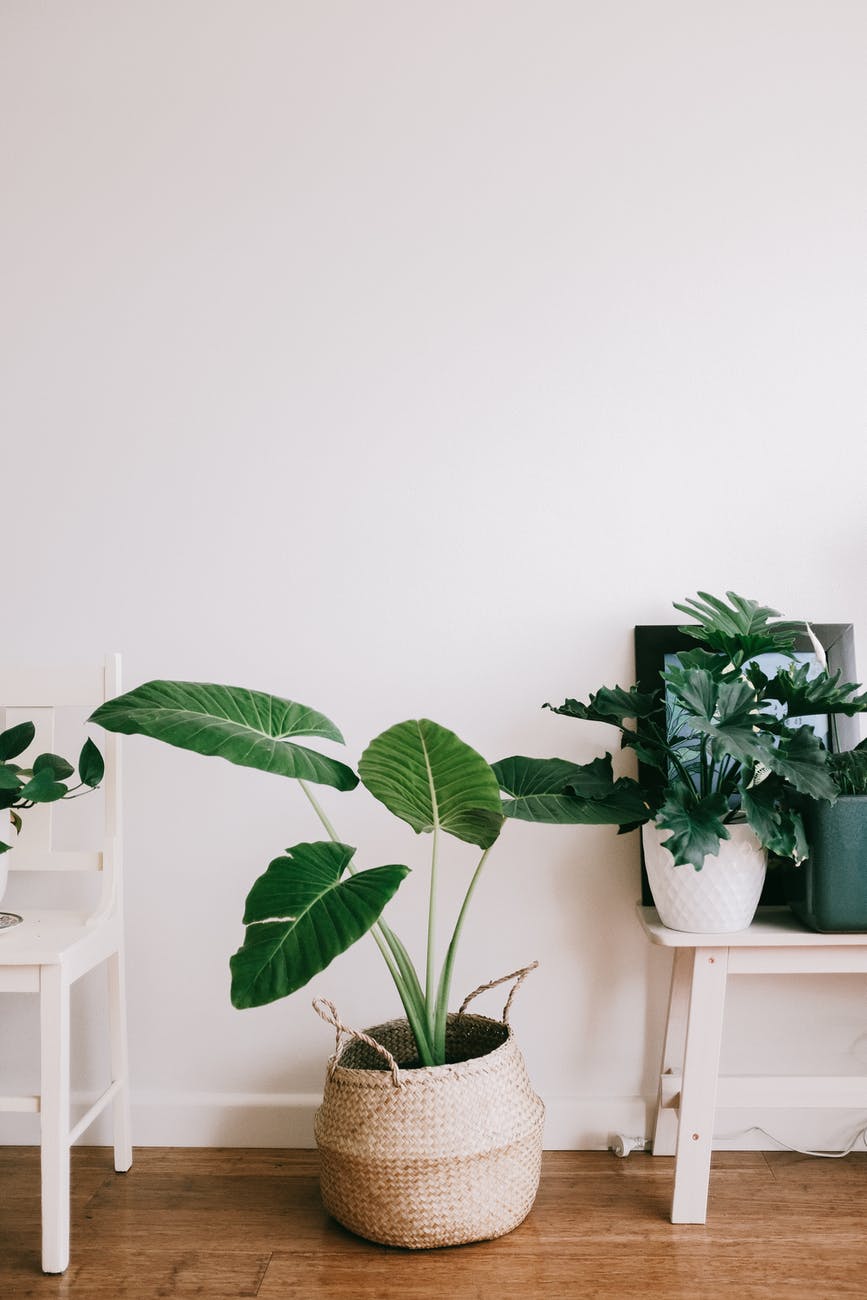
  • On a practical note, winter is here and despite this year’s shift in weather patterns (linked to global climate change), it will soon start to get colder. So that you are using your heating more efficiently, there are a few simple actions you can take to make sure that when you do need to use the heating, you don’t have to consume as much as you are able to get the most out of the heat you have. Simple habits including closing the curtains earlier and tucking them behind radiators if that is applicable for your space, as well as closing doors to keep the heat in the rooms you use the most, meaning that, combined with having your heating on for less time, you can reduce your energy consumption while creating a warm and cosy home. This is the perfect time to live out your hygge dreams; grab your jumpers and blankets and maintain a warm home while creating maximum cosiness and aesthetic vibes.
Photo by Ylanite Koppens on Pexels.com
  • There is a rather large celebration that tends to happen in December which cannot be overlooked – Christmas. This year Christmas is going to be a bit different, but this gives us the opportunity to explore a more sustainable style of Christmas now that we are approaching things differently. Why not try this month creating an Advent Calendar-style challenge for your family by making a more environmentally-conscious and suitable festive swap each day of December? For instance, day:
  1. Purchase loose vegetables in a reusable bag when shopping
  2. Spend an hour outside
  3. Make a Christmas decoration instead of buying one…

Or if you feel really creative, how about the eco version of the 12 days of Christmas?!?

  1. Turn off one light from the number you would normally have on
  2. Listen to the sounds of nature outside for two minutes
  3. Recycle three pieces of plastic
  4. Find four recipes that use items already in your cupboard
  5. FIVE Zero Waste Items! (Kind of works if you have my very minimal level of musical talent…)

This might all sound a bit crazy, but this could be a really nice idea to try with children or as a family, as it shows that we can still celebrate Christmas to the full without being quite as demanding on our planet. Make this a December to remember!

Photo by Any Lane on Pexels.com
  • Finally, as the year draws to a close, reflect on your year. This year has given us a lot to think about, but in regards to sustainable lifestyle, see what changes you have made this year, what worked, what didn’t and importantly what you can do next year. Reflecting on our sustainable journey is really important for our wellbeing – look how far you’ve come! It is easy to feel hopeless when you surround yourself with only negative news, but by reflecting on what you have achieved it highlights just how much you are capable of, and by being critical of our changes we can find areas for improvement or focus. As an example, maybe this year you travelled in your car less, in part due the the restrictions of the pandemic. Could you carry this on in a post-pandemic world, such as by walking to the shops or increasing your use of public transport? This is a helpful exercise for getting the most out of the changes that have and could be made in your own lifestyle.
Photo by Evie Shaffer on Pexels.com

Take time in this month to reflect and motivate – so much has happened this year and for many it has been incredibly hard. Life may not get easier immediately after changing the calendars, but by taking time yet again to question the little things in our own world that could be used to create change, we can end this year on a high with a little bit more hope for the future. The fact that I’ve started this blog is enough to blow my mind, and so I hope everyone of us can see what we have achieved this year and use it to fuel the coming year. ❄

Covid-19 & Sustainability

Can we create a positive opportunity for change in this time of uncertainty, fear and negativity?

NOTE: The Covid-19 pandemic has had devastating impacts for many families all over the world, so for many people this is not a time where they are able to see this period as an opportunity or may be unable to engage with changes. I completely respect that, but if you are in a position where you can approach this time in an open-minded way, then this may be a great time to commit to changes for our planet.

In the last nine months, we have witnessed society change at a rate and scale not seen before for our generation. While this has of course come out of necessity to protect health, it has shown us the possibilities at our disposal to move to a more sustainable society where we are able to pull together to combat environmental issues including climate change.

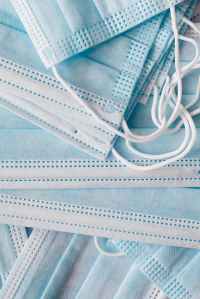
Firstly, there is a physical side to the coronavirus pandemic and sustainability. A new demand for domestic PPE such as gloves and face coverings combined with an increased demand for medical PPE has led to increased consumption of these materials. Previously, litter on the streets was mainly plastic bags and food waste, but now discarded disposable masks are a visible sign of the impact of the pandemic on our streets. While medical PPE is obviously necessary in a healthcare setting, disposable items for everyday use don’t have to be. Reusable face coverings made of fabrics like cotton are shown to be efficient at filtering air particles and are just as good as disposable ones for use when carrying out mask-dependent activities like shopping or using public transport. Therefore to cut our covid single-use waste problem, we should look to using reusable items where possible and trying to reduce our disposables consumption, while of course following the applicable safety measures (e.g. washing your face covering after use). Also, making your own mask can be really fun to sew and it makes the experience a little more tolerable if you can pick a cute design!

Photo by Karolina Grabowska on Pexels.com

The second point surrounding covid-19 and sustainability is the opportunity that it presents for us to make change. Never before have we seen society pause in this way. Earlier in the year, we saw planes stop flying as regularly, roads quieten and people staying local. In response, we saw wildlife return to our urban areas, air quality improve and CO2 emissions fall, reduced by 19% by April compared to 2019 (The Guardian). This was a significant impact on our natural world, showing us that we are able to stop doing these damaging and polluting activities if we have to. So now the next hurdle is turning ‘have to’ into ‘want to’. During lockdown, many of us reconnected with nature as we were staying at home and in our local area more often. We were able to truly observe the changing of the seasons, the regular visitors to our gardens and homes. And this is highlighted in Natural England’s People and Nature Survey, which revealed nine in ten adults said protection of the environment is important to them personally. So maybe now the awareness is there…. and its time for action.

We have the opportunity to decide now – do we want to go back to the consuming demands of life pre-pandemic? Or do we want to use this to transition to a new society, one where the planet is our priority, people help their neighbours, the real heroes in our community are celebrated, and our lifestyle is more sustainable? I think you can guess where I’m headed here………………………………. This decade is a significant one for our planet. Action has to be taken now to prevent climate change from causing irreversible impacts. The 2030 Sustainable Development Goals are targeted for less than ten years time. So now is the moment where we ‘build back better’ – not for just for us, but for our home.

Photo by Alena Koval on Pexels.com

This is all very overwhelming and big call for action stuff, so what can we do as individuals about this? Life is complex and uncertain at the moment, but there are some simple things you can do to contribute…

  • Take a moment to think but over the last few months – what didn’t you do that you normally would? How did it feel not being able to do that? Is it an essential part of your life? For example, if you normally holiday abroad every summer, were you still able to have an enjoyable time this summer by going on a staycation? Do you still feel like you need to travel every year to go on holiday, or could you mix it up by just travelling abroad every two/three years?
  • How much waste do you produce? Being at home constantly really highlights what we are producing and where we cause the most waste. Did you end up with a lot of food waste, or maybe your plastic recycling bin was full after only a couple of days? Locating where and what produces the most waste in your home can help to pick the areas in your lifestyle that may need changing to become less demanding. For instance, could you create a compost heap to help you recycle your food waste that you can’t use? Or many you could try buying one less plastic packaged meal and instead cook that meal from scratch?
  • What have you got in your house which you had forgotten about but can now utilise? Many of us made use of extra time this year to have a spring/summer/ongoing clean and sort-out of our homes. If you found a secret stash of things you’d normally buy but didn’t realise you had stored away, now is a great time to review what and how much you buy, and maybe see where you can reduce your consumption.

The general message here is, if you are in a position to do this, use this time to be curious! Question the different parts of your home and lifestyle, see where you could implement changes and have a go at bringing more sustainable elements into your life. If the pandemic taught us anything, its that the health and happiness of ourselves and those we love is all that matters. The lessons you have personally learnt during 2020 will show you what needs to change and how your priorities and consumption pre-pandemic may have altered or become redundant to your lifestyle and mindset now.

If you’ve made it all the way to the end of this post, hats off to you my friend! Stay safe, take care and when you’re ready, use this time to motivate and fuel your path to creating positive changes.🌍

My favourite sustainable products

Absolute classic content – a favourites haul! However, this one has the twist of focussing on intention and active change rather than the products themselves.

For the most part, being a sustainable consumer means buying less and using what we already have. Despite this, there are certain items that can help us in the journey to creating sustainable change. Definitely helpful if you want to put something more eco-friendly on your birthday wishlist! Today I am going to share some of my current favourite products which are helping me to create change in my own life, some of which may be helpful for you too…

A selection of my current favourites…
  • A reusable water bottle: ✨Ground-breaking✨. Hear me out here! To really transition to a more sustainable lifestyle, it is important to feel comfortable in your choices and products, which requires you choosing the right products for you. Just like the sorting hat, you need to pick the right kind of bottle for your personal lifestyle. For me, I have three water bottles that I use frequently which cover all scenarios. The insulated one pictured above keeps cold drinks cold for a long time and can be used for hot drinks too, so I find this the most useful for when exercising, as a nice cool drink is exactly what is needed – best for those people who run long distances for the fun of it. I also have a bottle which is about half the height of the average bottle, which is great for taking out and about because it fits into many different bags and is less heavy to carry – best for handbags and running around town. Finally, in this overly-detailed water bottle haul, I have the best one yet. This bottle has had more comments than anything else I own and is definitely one of my best finds. From my local supermarket I found a bottle which is about half the width of a normal bottle, and consequently can fit in that pocket down the sides of backpacks. Also, it is dishwasher safe, which makes it so much easier for daily use if you forget to hand wash your bottles or don’t always have the time. What a game changer….. Best for students and others who carry small bags that are already full. Once you’ve picked the bottle for you, you should have no trouble using it in your life and may realise that you don’t need to buy single use plastic drinks bottles anymore. Hooray!
  • An Eco coffee cup: again possibly not the newest idea you’ve heard today, but a great item for hot beverage lovers everywhere. The thing here is to pick one that you love and that fits in with your going out lifestyle – maybe a collapsible cup for pockets only or a bamboo cup for keeping in your bag. If you are partial to a hot drink when out and about, these will really help you cut down your single use plastic waste and hopefully embrace reusable.
  • A solid shampoo bar: for myself, I am specifically loving the Lush ones. Admittedly, they are a financial investment but having tried them, I believe they are worth it. When you first start going plastic free with your haircare, you can get a bar and a little pot for it and future bars to live in to protect them and prolong their lifespan. I was pleasantly surprised by this bar, it didn’t leave my hair feeling soapy or greasy or unclean. I’ve been using the Jumping Juniper bar which I find leaves me hair feeling soft and lightweight, which is pretty amazing for someone like me with thick hair. I’d without a doubt recommend!
  • Reusable makeup remover pads: these kind of make single use pads redundant. With my pack, you get 16 bamboo pads, one cotton laundry bag, one storage bag and a storage box. To use, you apply the pad as you normally would for removing makeup, cleaning the skin or other applications, then put in the laundry bag. Once you have used a few pads, the laundry bag (containing the used pads) can just be placed in the washing machine as you do your normal wash to clean them. Once dry, you can put them back in your storage bag to be used again. The packaging claims that these durable pads can withstand being washed up to one thousand times, so the need to buy cotton pads is drastically reduced compared to single use pads. The only downsize is that sometimes once washed the pads retain some slight colouration. However, they are completely clean and once you get over the white obsession society has with many products (the same goes for paper and teabags) then its easy to accept more environmentally-friendly alternatives.
  • Beeswax wraps: fun to make at home or can be bought. I got my first ones from a local business and have found them so useful in the kitchen. Beeswax wraps can be used as a natural alternative to cling film, helping to reducing waste, to cover bowls, wrap food or store ingredients. I’ve found them especially useful in reducing plastic from my lunch as I’m able to wrap sandwiches and loose items in a beeswax wrap without needing to use cling film or foil. After using, you simply clean them by hand with a little water and let them air dry. If your wraps need reviving, you can re-wax them using beeswax, available in handy pellets and drops. Also, having patterned food covers brings a little bit of joy into your day!
  • A reusable cotton tote bag: banish single use plastic bags by keeping a tote bag handy with you for any shopping needs. I find using this, combined with a plastic bag for life (beneficial for rainy days) sufficient as shopping bags, carrier bags, etc without needing to buy any plastic bags at the checkout. Tip – always remember to replace your reusable shopping bags in your bag/coat/other so that they are always there if you need them when you’re out, preventing you from having to purchase a plastic bag should you forget.

So there you go: these are some of the items I’m currently using to bring a more sustainable element into my life. Since using these products I’ve found that I produce less unnecessary waste and buy less single use items when out and about because I have my own reusable ‘toolkit’ at my disposal. Hopefully a part of this was helpful and may have given you an idea to put on your Christmas list… 🎅

The Green Guide: Tip NO.2 – In The Kitchen

Tips and tricks for making environmentally friendly swaps today!

These tips cover changes you can when cooking and preparing food at home which are less damaging to the planet while making time in the kitchen more productive and fun! 🍰

  • The main goal in the kitchen is to prevent as much food and packaging waste as possible. The first thing to do when starting to use our food more efficiently is to look at our food in a more creative way. Ingredients can be used in so many ways and can be recycled to produce even more delicious dishes than first meet the eye. Say you have a roast chicken on Sunday, come Monday you can use the leftovers from your roast in a casserole, using the chicken, vegetables and stock. Then for Tuesday lunch, you can have a portion of casserole, already prepared. So just in this example we have managed to make one dish stretch to cover meals in three days. This is by no means a new idea, but one that when implemented in our lives can make meal preparation easier and more economical. Freezing spare ingredients and meals, for instance when batch cooking, can also help reduce waste and take some of the stress out of meal preparation.
  • Another creative solution is to embrace cooking! As soon as you are willing to get involved with making your meals and form an attachment with where your food comes from, it becomes easier to cook with ingredients you have at home, using your own recipe ‘toolkit’ instead of resorting to supermarket ready made. Knowing a few key recipes that you like and learning to cook with what you’ve got at home helps prevent waste by using what you already have without buying more.
Photo by Karolina Grabowska on Pexels.com
  • The power of vegetables! Now, I know there is a lot of talk around sustainability, vegetarianism and veganism, but what I want to focus on is the variety and use of vegetables in cooking. Vegetables encompass so many different types and flavours that they can make great meals as the stand out flavour all by themselves. From just adding a fresh pepper to a pasta sauce to channelling your inner MasterChef and making a vegetable curry or chilli, vegetables can be an addition to so many of your staple recipes. You don’t have to give up meat overnight to make a change, just shifting your mindset to knowing that you don’t have to eat meat with every meal can open up so many cooking opportunities. You could try vegetarian options at lunchtime, try buying British or local meat only, designate meat-free days in your household or just try to use meat more effectively such as in the roast example at the beginning of this post. You may find that not eating meat as often isn’t as limiting as once thought now there are so many great meat-free recipes out there.
  • As a more natural approach to cooking, trying to use seasonal ingredients in your recipes can help to lessen the environmental impact by reducing food miles and supporting local producers. This may be by choosing meat, fruit and vegetables in season in the supermarket, or choosing to buy through a farm shop or straight from the supplier. Though the latter may not be accessible for everyone, being able to spot on the supermarket labels when something has been grown in Britain is a great start to eating more consciously.
My Toffee Apple cupcakes
  • We all love a sweet treat with a cuppa come snack time, so why buy when you can bake? Cakes and treats from the supermarket are often highly packaged, ingredient intensive and unhealthy. While home baking still isn’t top of the health list, you can control what goes into your bakes and how much you want to make, leading to more conscious and healthy decisions. Like cooking, get creative with your bakes to use up ingredients around your home. These cupcakes (picture above) used a spare apple and store cupboard ingredients to make really yummy cakes that you can share with family and friends. Once you start to take back some of the control in the kitchen, sustainable changes will come to you when you start to understand what food you use and where it is wasted. Bake Off who?
  • In regards to packaging, food items can produce a lot of waste, including plastic pollution. A starting point may be taking your own vegetable/mesh bags when you go shopping so that you can just pick the loose produce you need. Some shops also allow you to bring your own containers when buying meat from the fresh counters such as meat or fish. Another step is to recycle as much as the packaging as possible, and if difficult to in your area, check whether it can be recycled through Terracycle, who try to recycle any kind of waste. Some brands show the Terracycle symbol on their packaging, so then all you need to do is send the waste to your local drop-off location.

That was Tip No.2, which hopefully gave you something to consider when you’re busy cooking up something delicious at home or baking a tasty treat that will help you connect what you eat to its impact on our planet.

Why everyone must be on board to combat climate change

Climate change and biodiversity loss is the biggest problem we face as a planet. It impacts every human and living organism who calls this planet home, and it will take every human making a difference to preserve and improve our Earth for everyone.

Climate change will not discriminate. Sea levels will rise, species will go extinct, natural disasters will intensify and our planet will change with no regard for your skin colour, gender, sexuality, disability or background. Though of course climate predictions cannot be 100% accurate, we can be sure that it will effect all of us in some way. This is why it is so important that we develop sustainably going forward together; no one gets left behind.

Currently there is a lot of good awareness about climate change and environmental issues, but not a whole lot of substantial action from those in positions of authority. I believe as a pre-requisite for action we need a society where everyone is involved in the solution, not just ‘environmentalists’. Progress is clear – the youth climate strikes show that young people understand the problems and are willing to raise their voices about issues important to them. However there is still a feeling that being sustainable is only for some… it’s for all! Making conscious sustainable changes doesn’t have it be expensive, restrictive or lead to a lifetime of wearing potato sacks and eating cabbage. Being mindful of our consumption can actually lead to better financial relationships and a more fulfilling lifestyle. To do this, each person needs to look at their lifestyle as an individual and decide which parts they may be able to change or adapt. This could be your makeup routine, how you travel to work, what you are cooking or how you think about the things you consume. And that is something everyone can do.

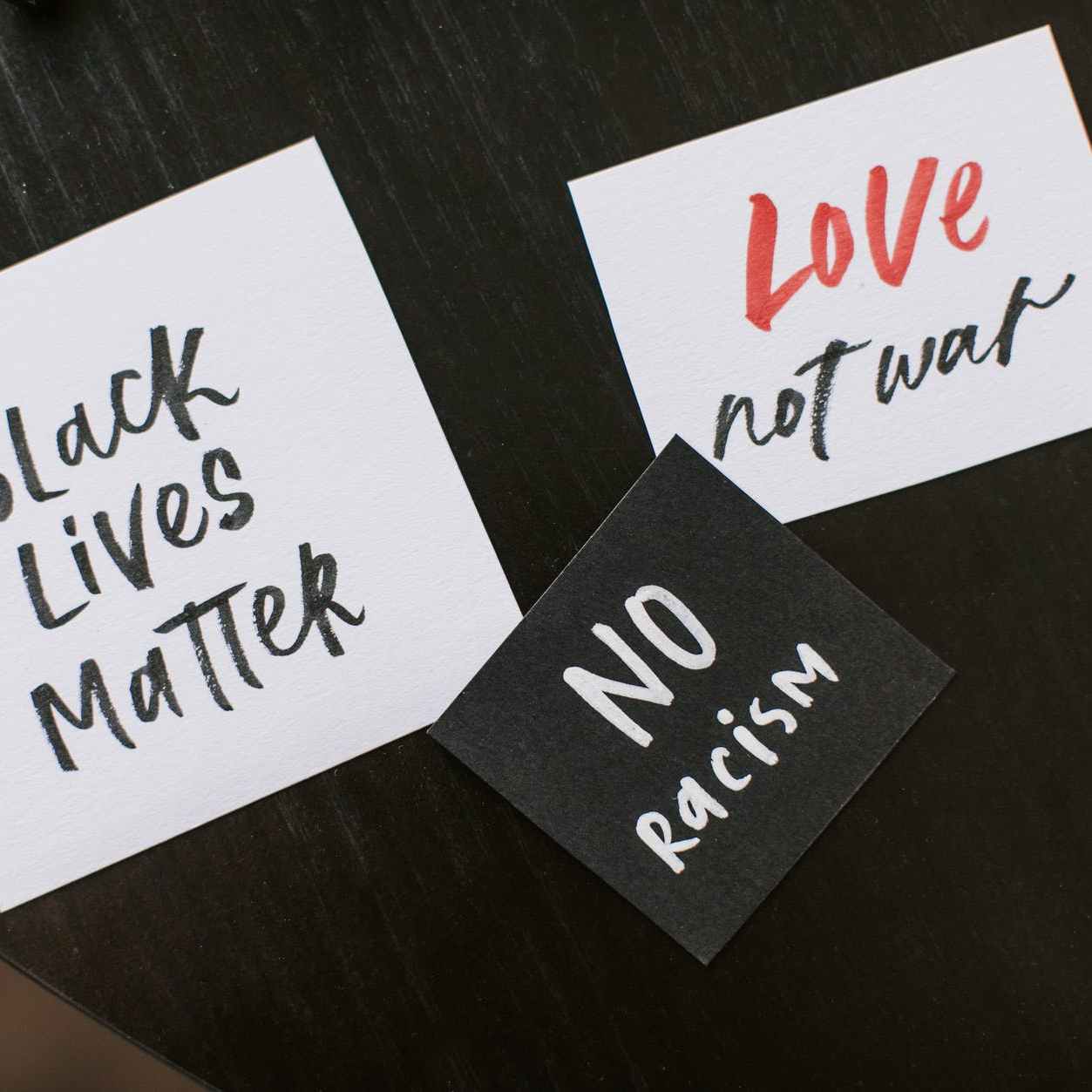
This summer we all saw the impact of discrimination on our societies worldwide. We cannot hope to solve a global issue like climate change without first uniting together despite our differences to work as a whole. I understand that it is easy for me to write this coming from a place of privilege, but I hope by sharing this vision we can allow climate activists to make space for everyone to become involved. Even if you live in a city you perceive to be nature-deprived or feel that your one action won’t make a difference, there is always something that you can do. All these individual actions will add up until we have a global movement capable of creating real change. There is no place for hate or discrimination when we have such big problems to confront, so I hope this (quite rambling and lengthy) post inspires you in some way to know your worth as an individual to inspire change and to do so with everyone around you.

Photo by Anna Shvets on Pexels.com

Nature In November

“All the leaves are brown, and the sky is grey”…… Well November is here is all its craziness and confusion. So lets bring the focus back just for a moment to consider how we can increase our connection with nature this month.

This November, try to take the time before the busyness that December brings to find and connect with the natural world on your doorstop.

  • If you are planning an at home Bonfire night, please consider wildlife before you begin your celebrations. Bonfires are very attractive to wildlife such as hedgehogs to cuddle down in, so if you are planning on having a Bonfire, please check it carefully for wildlife living within and if possible move the Bonfire to another site before lighting so that any wildlife within the pile has time and space to move away. Alternatively, this year could be the time to use your garden waste in a more natural way. Instead of burning any branches and leaves you’ve accumulated from the autumn, why not build a habitat area in the corner of your garden? Just arrange natural materials such as dried leaves, logs and twigs in a pile and you could have a new wildlife neighbour using your garden as a winter base or spring eatery!
  • With many of us spending most of our time at home, a nice idea is to undertake a bioblitz of your immediate area. Whether you have a garden, window box or window you can sit and look out from, take some time to make note of all the organisms that share the space with you. It might surprise you that so much life is so near to you! Identifying organisms is easier than ever with ID apps such as Seek where you can use your phone or device to identify plants and animals. Maybe you didn’t appreciate those tiny flowers on your driveway, or perhaps you have a regular visitor you simply overlooked. Have fun being an explorer in your own home!
  • Use your outdoor exercise time to take some time out in nature. Tap into your child-like curiosity – splash in puddles, take an autumnal walk through a woodland or just appreciate the change in season in your local park or patch of green space. Nature is all around when we take time to notice it, so try grounding yourself in the present by noticing the small joys the natural world provides us with.

This month will no doubt will a tough one, so to carry on with our sustainable journey through these uncertain times its important to just focus on what we can do individually and what is going on near to us and appreciate the little things that brighten up our day, be it the falling leaves or a visit from your garden robin. Enjoy nature and stay safe 😊

EcOctober

October has arrived, smelling of Vanilla Pumpkin, looking like an Autumn dream …………………and with many other slightly confusing regulations and changes.

To bring the focus back to the changes we can make as an individual, here are some ideas to helping you put the eco in October…

  • Get the most out of your Halloween pumpkin – pumpkins are beautiful autumn decorations and can look great in your house this season, but they don’t have to be thrown away once you’ve finished with them in your display. Pumpkins can be used in many recipes, such as a warming pumpkin soup or even in cakes. This Halloween, try to think about the uses of your decorations and how else they could be used/recycled instead of jumping to consume and then throw them away.
  • We’ve got to the stage where the air is getting a little bit chilly but not quite where the boiler has given up, so this is the perfect time to hunt out your winter jumpers, socks and blankets and try cuddling down instead of putting the heating on. Getting all fluffy feels great and creates a really cosy home – maybe light a candle, watch a film and enjoy making yourself warm. If you’re feeling ambitious, make a goal to not put the heating on this month, but save it for when it gets really cold (like next month!)
  • If are do celebrate Halloween, how about making it a more natural affair this year? Many Halloween items in shops are very wasteful, this could be because they produce lots of unnecessary plastic or because they shed a large amount of glitter which adds to microplastic pollution. An alternative is to make your own decorations, or use natural materials. On a more autumnal theme, you could take inspiration from the harvest time of year and create a display of the season with items you’ve collected on walks or over time, such as leaves, nuts, vegetables, fruit…. (being respectful of what you collect in nature and please consider the needs of wildlife and other people). Not only do these look so beautiful when displayed, but it can help you to connect to your local environment and what nature provides for you.

Wishing you a cosy and fun October, hopefully with a greater sense of celebrating nature and all it provides us with at this time of year.

Autumn Activities

I used a mix of blackberry and raspberry paints to create this picture

Being an Autumn born child and a redhead, I have a certain affinity for Autumn. I love the changing of the colours and way we all start to snuggle down. Autumn also increases my motivation to be more sustainable, something about the back-to-school new starts, having a birthday and the way nature changes between seasons connects me back to nature and inspires me to undergo my own changes. Here, I’m going to share some of my favourite seasonal activities to help you transition from the energy of summer into the softness of autumn, even in this year where months have lost all meaning….!

  • One of my favourite activities is a simple one – going for an autumnal walk. I love seeing all the different colour leaves, feeling the crisp air, wearing many scarves and hearing the crunch of leaves underfoot. Take a moment of peace and joy with nature: throw leaves in the air, roll in them and reconnect with nature. Many studies have found time spent in nature positively impacts mental health, so looking up at the leaves changing colour may be what you need to clear your mind.
  • While berries are still in season, a great activity is making natural paint. Berrries such as blackberries and raspberries work really well at creating natural paints that can be used to create seasonal pictures, such as the one seen in the featured images. Just pick a handful of berries (either responsibly from wild plants, respecting the needs of others and of wildlife, your garden or even from the shop) and mash them up in a bowl. Then push through a sieve into a small bowl and get painting! This is a really fun, calming and creative activity that can produce some beautiful results. Warning – as a natural dye, the colours will fade over time, so take a picture of work after you’ve finished if you want to keep a memory of it in its original colours.
  • Collect a handful of dried, fallen leaves and string them along a length of string or ribbon to create an autumnal garland. This can make a really effective home display and bring nature inside!
  • Craft an autumnal wreath using natural autumn materials collected by you – use leaves, dried grasses, nuts, bark and other materials to create a welcoming wreath! Stick your materials to a wooden, metal or card ring and hang up with a ribbon to welcome the new season.
My Autumn Wreath with blackberry paint

There are so many activities and changes that autumn brings, but I hope this post provided a few other suggestions of ways to enjoy the season. Let this season be a time to reconnect with nature and check back in with yourself, whether that’s doing something creative, going for a walk outside or watching your favourite film with a hot drink and a soft blanket. Please be respectful of nature in any of the activities you undertake and enjoy the season!

Sustainable September

You’ve had Earth, Wind And Fire on repeat, have reluctantly replaced your summer picnic rugs for fluffy blankets and have the urge to buy back-to-school stationery whether you are going back to school or not – must be September!

This September, lets use the “new term, new start” mentality to create some positive changes in our lives and make this month a little more kinder to the planet. Here are three tips to get you started…..

  • Have a wardrode declutter – as the days cool down and the frost starts to show, you’re going to need to dig those winter woollies back out. This is a perfect time to go through the clothes you’ve been wearing all summer and decide if they still work in your wardrode. Are there any items that you didn’t wear all summer, even though they are summer season clothes? Did any garments not fit or didn’t bring you joy? From there you can sort them into categories such as To Fix, Upcycle, Charity Shop or Re-gift and create a simplier wardrobe going into autumn.
  • This September, we are all washing our hands more than it used to seem possible. While using a solid soap in your bathroom is one of the least wasteful options, this may not be possible in places like the kitchen or for hygiene reasons. Therefore, it may be time to consider using handwash refills to keep your hand wash bottles going for longer. Brands such as Cussons Carex (https://carex.co.uk/terracycle/) have produced Hand Wash Refill pouches which can be used to refill your existing hand wash bottle, so you don’t have to get rid of the bottle or pump, which can be very hard to recyle. The programme claims to use up to 85% less plastic and the refill pouch and pump can be sent to Terracycle to recycle them once you are finished. So there’s no excuse not to do good while you spend 45 seconds washing your hands for a good part of each day…
  • Trial moving to a more seasonal diet this September by choosing seasonal produce when shopping. In the UK, September catches the end of the season for blackberries and raspberries, and sees the emergence of mushrooms, apples, pears, parsnip and leeks. Sounds like perfect roast and crumble dinners to me! Look out for seasonal displays in the shops and produce that is British grown to help you pick produce in season in your area.

Hopefully these tips can be food for thought for the rest of this month and help us all to find a focus on things we can change in this uncertain time.