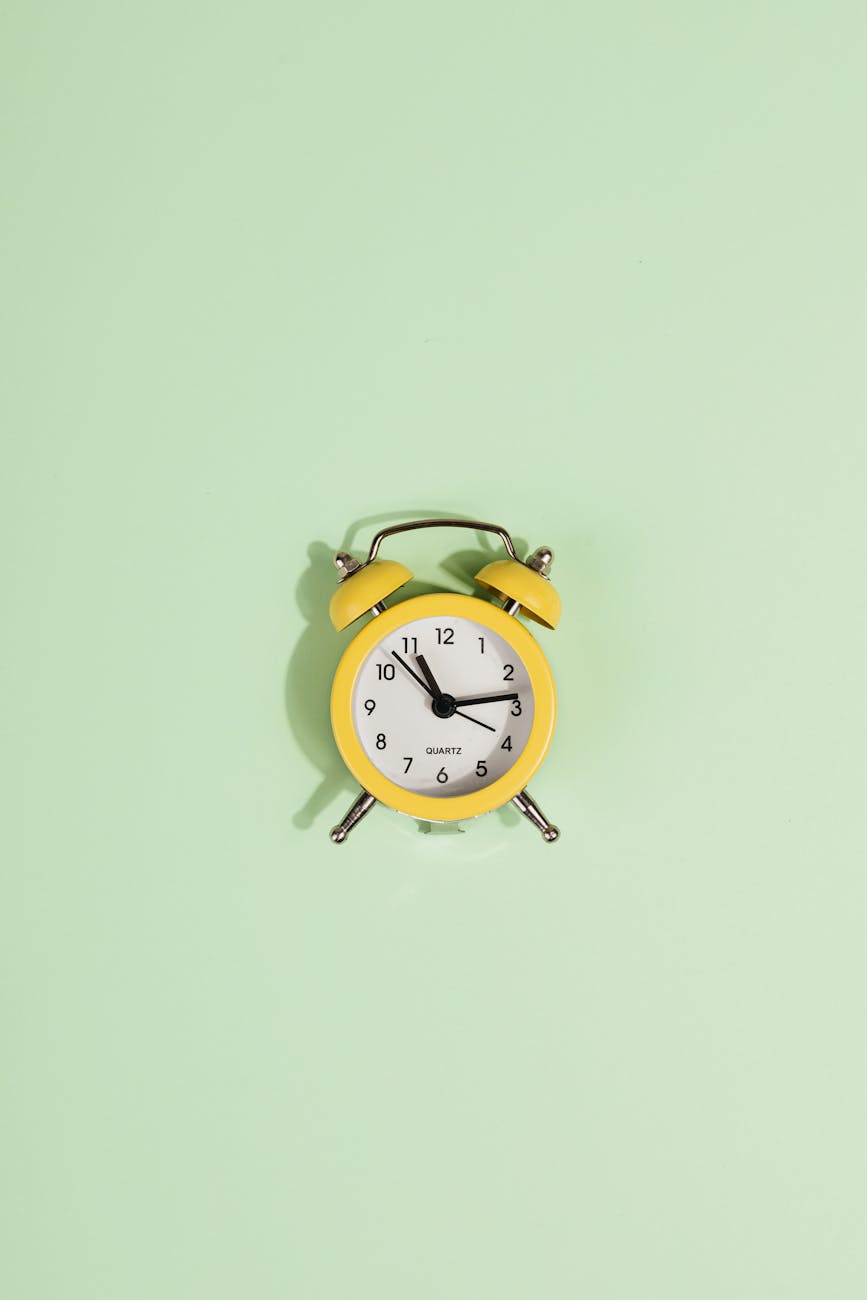
We’ve all got a task on our to do list that never really gets ticked off. The form to return, the rip to repair on a pair of trousers, the spot in the kitchen that needs cleaning. Every week they are there, and when we find a spare ten minutes there’s that lurking thought that we could finally tick that task off. We could………………. Or we could go shopping! Or watch another episode! Or literally anything else! And that’s fun for a while. But then we miss the deadline to return the form, and can’t continue the application without it. Then the trousers rip beyond what is respectable to wear in public, and suddenly the weekend outfit is ruined and there’s a good chance you had an embarrassing moment when said trousers finally gave up. And when we come to spring clean, that stain in the kitchen that has sat there for months is now baked on, and what once would have just wiped off is now a permanent mark that has to be disguised as ‘heritage’ wallpaper. And you can’t help but wonder, why didn’t I just sort this at the time?
That, I believe, is basically where we are at with climate change in 2026.
We heard about it at various points last century, and thought it sounded like a way off. There seemed to be more important things to do at the time. But the issue came when this mindset continued but time passed anyway. A new century arrived, a pandemic changed the world, and all the while the global narrative was ‘We’ll get to it when we have time. People just need more awareness of the issues and they will instantly stop doing all bad things’. Hmmm.
Remember those tasks from the beginning? How they actually got harder to deal with the longer they were left? That’s kind of what’s happening here. In the 1960s, there were decades ahead to reduce emissions, so we could change our behaviours gradually by reducing emissions by a small amount each year and still hit global targets. By as the years pass, each year we need to reduce by more and in less time. Setting a Net Zero goal of 2050 in the year 2000 gave you a maximum of 50 years to reduce emissions. So to reduce by 100% that was a 2% annual reduction. But setting that same goal in 2025 would mean a 4% annual reduction – double the work per year! Imagine paying 5% of your income towards something vs 10%. Doubling is much less fun then. The closer we edge to the global goals of 2030 and beyond, the steeper the reductions needed and the harder the work.
And just like the form and the trousers, the more time spent procrastinating, the greater the consequences. A small rip can be fixed while you watch a film. A form may take a tedious ten minutes, but is less uncomfortable than failing an entire application because of it. The cost of acting now is nothing on the cost of dealing with the consequences of heated up world because of inaction. A lot of the time our biggest regrets are not things we have done, but what we didn’t do. Inaction only delays the problem, and causes collective regret.
But there’s another aspect to procrastination. It isn’t just that we put off a task until another day. It is that we are actively distracted from completing it. By our phones, pinging messages, more exciting things to do. And these distractions stop us making progress. And on a bigger scale the systems around us are built to keep us distracted. There’s a war and gas prices go up – now how are you going to heat your home? There’s a cost of living crisis – are you going to be thinking of creating a better world for the future or worrying about how the budget will stretch this week? We could maybe debate better environmental protections in government – or a random MP could bring up something scandalous which will need discussing and fixing straight away. We never find the time to come together and make a strategic and long-term action plan because there are always distractions and short-term issues that are much more urgent in our daily lives. And that suits certain people just fine.
Taking action to prevent to worst outcomes of climate change benefits everyone because it means we can continue to live, which most of us are quite fond of. But for some this still strikes fear, the fear of living a different way. If there is no oil and gas to sell, how will they make money? How will they keep up maintenance on the yacht? They were going to buy a second villa in France next year, how will they fund it? Better just to keep the masses confused, put the prices up and pipe up with questions like ‘how will solar panels work when it’s night-time?’ as if the world doesn’t rotate around the sun and energy storage doesn’t exist. That way they continue to rake it in as part of their own procrastination against the nightmare thought of ‘what will happen when we run out of oil?’ which then leads to a lot of existential thinking and presumably staring into the abyss.
Take energy as an example. It is easy to get put off moving to renewables because of the upfront costs (why these remain so high and are not subsidised to make the transition easier is another story). But then when an energy crisis comes along and disrupts oil and gas prices, those on renewables continue as normal. The sun keeps shining even when pipes are cut off, there’s no queuing for emergency fuel if you charge your EV at home. And so a previous decision sees you with less friction in the future. And as we inevitably reach the end of our supplies of fossil fuels, we can either wait to use the last drop of oil and then look at each other blankly, ask what’s next and then spend ages creating new infrastructure where we have a period where we go without. Or we can transition over now, be ready and leave those fossils in the ground where they belong. Society always tells young people to not leave things to the last moment – do we need to send the reminder back?
As the famous Chinese Proverb goes: ‘The best time to plant a tree was 20 years ago. The second best time is now’. If you can make a difference, you should do so. If societies can plan and take action now they should do so. If the world can still think beyond the distractions, it should do so now. The time for gradual and slow pace of action has gone. Radical change is the only option left.
This is our sign to stop procrastinating.
Discover more from Ginger Leaf Living
Subscribe to get the latest posts sent to your email.
 Ginger Leaf Living