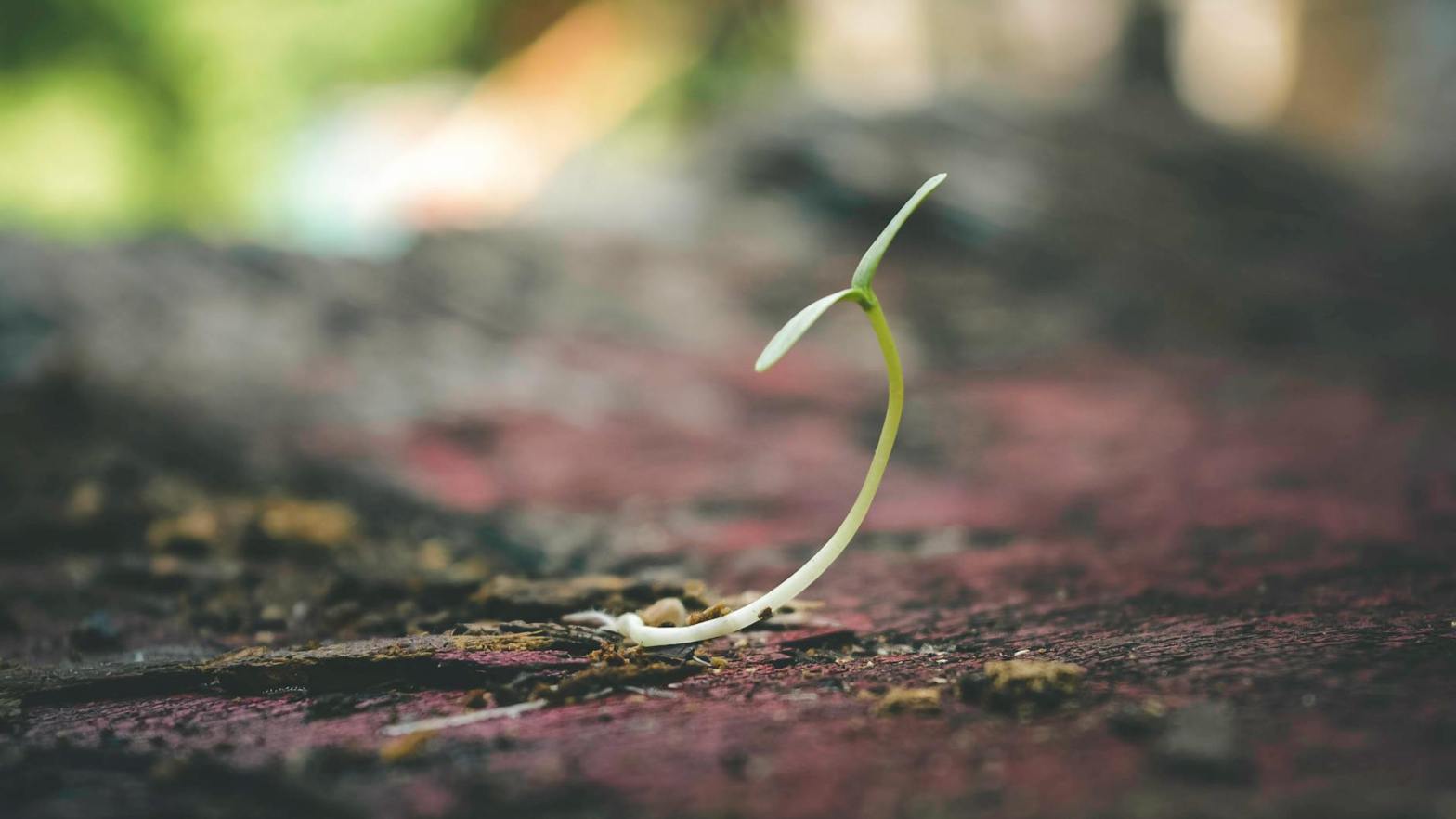
Hello lovely people! Happy November, albeit from near the end of the month. This month has been pretty globally challenging, and especially on the sustainability scene, the picture has not looked good. It is completely valid for us to feel complete despair, fear and sadness at the situation, but we can’t afford to be down for long. In the words of Taylor Swift in ‘August’, right now we need “to live for the hope of it all”. Hope is often a sensation viewed as naïve and childish, but hope is actually an important value to hold onto as we create a better life for ourselves and this planet. In this post, I want to explore why hope is one of our best superpowers and how we can utilise it in our lives 😇
In terms of sustainable lifestyles, the data has not been looking good for a pretty long time. Resources are depleting while destructive activities are increasing. Most people know the facts, and yet the situation remains – how can you possibly feel hopeful after that? If there is no solution, why waste your time trying and start investing in beach resorts ready for the rising sea? (The latter an exaggerated but not far from the truth perspective often used by those in leadership positions….)
- Firstly, if you have no hope of anything better than this, then there will simply be nothing better than this. Ever. You think what we have now is good, acceptable even? (I’m hoping you’ve said no here!) There won’t be any progress unless we are pursuing a better future goal, so hope keeps our thoughts and consequently our actions focussed on the future. If you’re saving for a house you’re unlikely to start spending significant amounts on material items or things that don’t matter to you, simply because you have a future goal that you would prefer more. Hope gives us goals and having a goal helps us make progress.
- Next up, hoping for something better helps us visualise what we want, not what we don’t want. Humans have the ability to experience whatever we focus on, which is why using a positive mindset is a useful strategy for all sorts of things. Similarly, if we focus on what we don’t want, we experience that as well. I want you reading this to NOT picture a giant fluffy purple dog, with its wagging purple tail and floppy ears. Jumping all over the space in front of you, licking your hand purple fluff sticking to your clothes. (Did you start thinking about a dog? 🤔) The same thing happens when we think about our own lives and sustainability more generally. Your hope might be to spend more time reading rather than driving, so you pick a commute by public transport that allows you to do that. Or maybe to eat more healthily with more homemade meals, so you prioritise buying seasonal fresh produce to use at home. We could visualise a future with no wars, collaborative leadership, clean air, water that is safe to swim in and bursting with life, so that you can spot fish of all kinds when you’re snorkelling. It could be a future where it is easy for you to spot nature and wildlife, even close to home, where wages are more equal and where we don’t even have a general waste bin, because everything is reused. These things aren’t impossible, so why wouldn’t we hope for them? Hope gives us a vision of what we want and what could happen if everything goes right, because that is still a possibility.
- Finally, if you were to ask me ‘why do you still have hope? How can you possibly have any left?’, I would say because achieving sustainability is entirely possible. If you read the books, look at the facts, it is bleak now but we have all the tools and know the answers to make it right. We know we need a solar energy revolution, and that solar combined with some support from other renewables can decarbonise our energy systems. We know that all wild spaces need to be protected, and that nature can bounce back and helps us redistribute the imbalance we currently live in. We know where our money shouldn’t be, and where it should be invested in. We know that the linear and disposable cycle of waste is damaging and the system must be made more circular. The options are completely available to us, right now on Earth, with no brand new technologies or relocating to other planets necessary. We just have to do it. Makes sense right? Hope shows us what we are fighting for and to never stop.
I’m hoping (excuse the pun) that you enjoyed this post. It is hard to be hopeful in these times, but if we are not, then who will be? If we give up who will win in the end? It sure as anything can’t be them, not on our watch. Here’s to the hopers, the dreamers and changers – people may try and knock us but chances are they might just want to join us. To live for the hope of it all 🤍
Discover more from Ginger Leaf Living
Subscribe to get the latest posts sent to your email.
 Ginger Leaf Living