
Following on from Hedgehog Awareness Week, this post explore what we can do to help our prickly friends. In the UK, hedgehogs are one of our most distinctive wildlife species, from the books of Beatrix Potter to images of them hiding in our hedgerows and countryside. But populations have been declining over the last few years, and human impacts have made this species vulnerable to extinction. Some of the biggest impacts humans have caused include reducing foraging and nesting habitats by disconnecting natural sites, road traffic incidents and accidents due to bonfires, strimmers/lawnmowers and garden chemicals. There is an opportunity for every household, whether urban or rural, to make their spaces more hedgehog friendly, and here are a few ideas to get you started. If you want to learn more about hedgehogs and how to save them, further reading resources will be presented at the end of the post.🦔
- Hedgehog highways – Hedgehogs need to be able to roam large distances at night to find food and a mate, so connecting up gardens is a really important step in creating bigger hedgehogs habitats. Have an honest conversation with your neighbours about putting a hedgehog highway into your garden fences. You can either cut a hole, around 13cm x 13cm into your fence big enough for hedgehogs to pass through, or dig an equivalent size hole underneath your fence so hedgehogs can easily travel underneath. If neighbours are worried about it looking untidy, a bit of planned planting of flowers or vegetation will easily mask a small hole for the benefit of bringing wildlife into your gardens 🌼. To make it official, you can put a hedgehog highway sign above your hole so that subsequent home owners and neighbours will keep the hole open (find them here https://shop.ptes.org/product/wildlife-friendly-gardens/hedgehog-highway-signs-pack-of-two/).
- Swap fences for hedges – Firstly, if you already have hedges surrounding your garden, keep them as they already create a great habitat for many species of wildlife! If you are feeling ambitious, swap out your garden fences or walls for hedges, which are much easier to pass through for hedgehogs and will also create spaces for them to find food and rest.
- Hedgehog friendly garden features – Create a garden with plenty of useful features for hedgehogs as part of your local network. Examples include creating habitat piles of garden debris like twigs and leaves, log piles, compost heaps (be careful when turning!) and wildflower areas, to create a wealth of areas for hedgehogs to forage in for their food and as sites for nests.
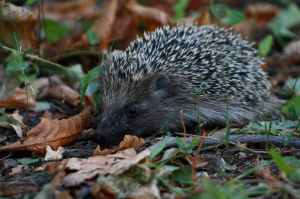
- Hedgehogs homes – As well as natural garden features, you could also make or buy a hedgehog house for your hogs. If you do make one, remember to add a tunnel and divide the space, so hedgehogs can fit in but not their predators, as well as locating the new home in a shaded area and using untreated materials to avoid introducing toxins. Add a few leaves or straw to make the space comfortable and make sure the house is water tight, before waiting to see if anyone moves in…
- Supplementary feeding – Hedgehogs should find the majority of their diet naturally, but if you notice hedgehogs using your garden, you can supplementary feed as well. Most importantly, put a shallow dish of water in your garden for them to drink, to keep your hogs hydrated. Then you can put out shallow dishes containing meat-based dog/cat food (not fish), dried mealworms or specially designed hedgehog food around your garden. It can help if you have space to spread the food over multiple sites to avoid too much confrontation between hedgehogs.
- If you are a student or staff member at college or university, you can expand your hedgehog habitats by getting involved in the Hedgehog Friendly Campus initiative, which can help you structure your journey to making your campus an excellent place for hedgehogs to visit as part of your community of local hedgehog networks.
- Changing behaviours – There are many human actions that have led to the decline in hedgehog numbers. You can change this by: reducing strimming and mowing activity and checking thoroughly through vegetation if you do need to, being vigilant when driving, especially at night, to avoid hedgehog accidents, ending use of garden pesticides and chemicals which can enter the food chain of garden wildlife and thoroughly checking bonfires before lighting in the autumn or not lighting at all and instead creating habitat piles in a corner of your garden.
- Educate – Talk to your neighbours, friends and community to increase hedgehog awareness, as one garden alone will not have much of a difference if not connected to many more. The bigger networks we can create of hedgehog friendly spaces the more hope we have of helping their populations increase and of helping other wildlife that also share their spaces.
For more information have a roam through these sites:
- RSPB https://www.rspb.org.uk/birds-and-wildlife/wildlife-guides/other-garden-wildlife/mammals/hedgehog/
- British Hedgehog Preservation Society https://www.britishhedgehogs.org.uk/
- Hedgehog Street https://www.hedgehogstreet.org/
Discover more from Ginger Leaf Living
Subscribe to get the latest posts sent to your email.
 Ginger Leaf Living