
This series hopes to break down key sustainable terms and ideas to make them more accessible for everyone to understand and use to make change. If you are already familiar with these ideas, refresh your mind and use your knowledge, but if this is new to you, read on and learn!
The term ‘composting’ is a fairly common phrase in the environment/gardening sector, but how many of us know how to use one properly, how to create one, or even where to get started? In this post I will endeavour to outline to key steps in building your very own compost heap.
If you have a garden with space for a compost heap, they are a great addition for helping you naturally break down any food/green waste, creating useful compost for future gardening projects and creating habitats for garden wildlife. If you want more in depth guidance, there are many places for information, so do some research and check out these websites https://www.rspb.org.uk/get-involved/activities/nature-on-your-doorstep/garden-activities/startcomposting/ & https://www.wildlifetrusts.org/actions/how-compost-your-waste.
Step 1: Find a spot in your garden which you will dedicate to composting, and build/place a wooden frame style compost bin in the area.
Step 2: Gather your ‘green waste’ e.g. grass clippings and vegetable peelings and ‘brown waste’ e.g. twigs and wood chippings which you are able to compost.
Step 3: Add to your compost frame in layers: Brown – Green – Brown – Green and so on!
Step 4: Once all your material is added, you can cover the top of your compost heap, e.g. with a piece of wood or carpet to keep the heat in and the excess water out.
Step 5: Turn the contents every so often to mix the material, being very very careful not to disturb any inhabitants like hedgehogs or toads.
Step 6: Once all the material has decomposed, the compost can be used in planting and gardening and more material can be added to your pile to continue the cycle.
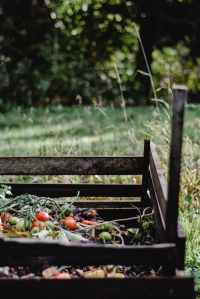
Compost friends: 👍
- Raw fruit and veg peelings
- Grass cuttings
- Coffee grounds
- Tea leaves
- Compostable packaging and paper
Compost foes: 👎
- Cooked food
- Meat
- Animal poo
- Non compostable packaging
Get the hang of compost and you can significantly reduce your food waste, will be able to break down compostable packaging e.g. those used around magazines, help your garden flourish and create a home for wildlife. Whether small or big, this is a great activity to help in your sustainability journey and once a habit, will have a great impact on your household’s sustainability efforts. Grab your fork and peelings – let’s compost!
Discover more from Ginger Leaf Living
Subscribe to get the latest posts sent to your email.
 Ginger Leaf Living