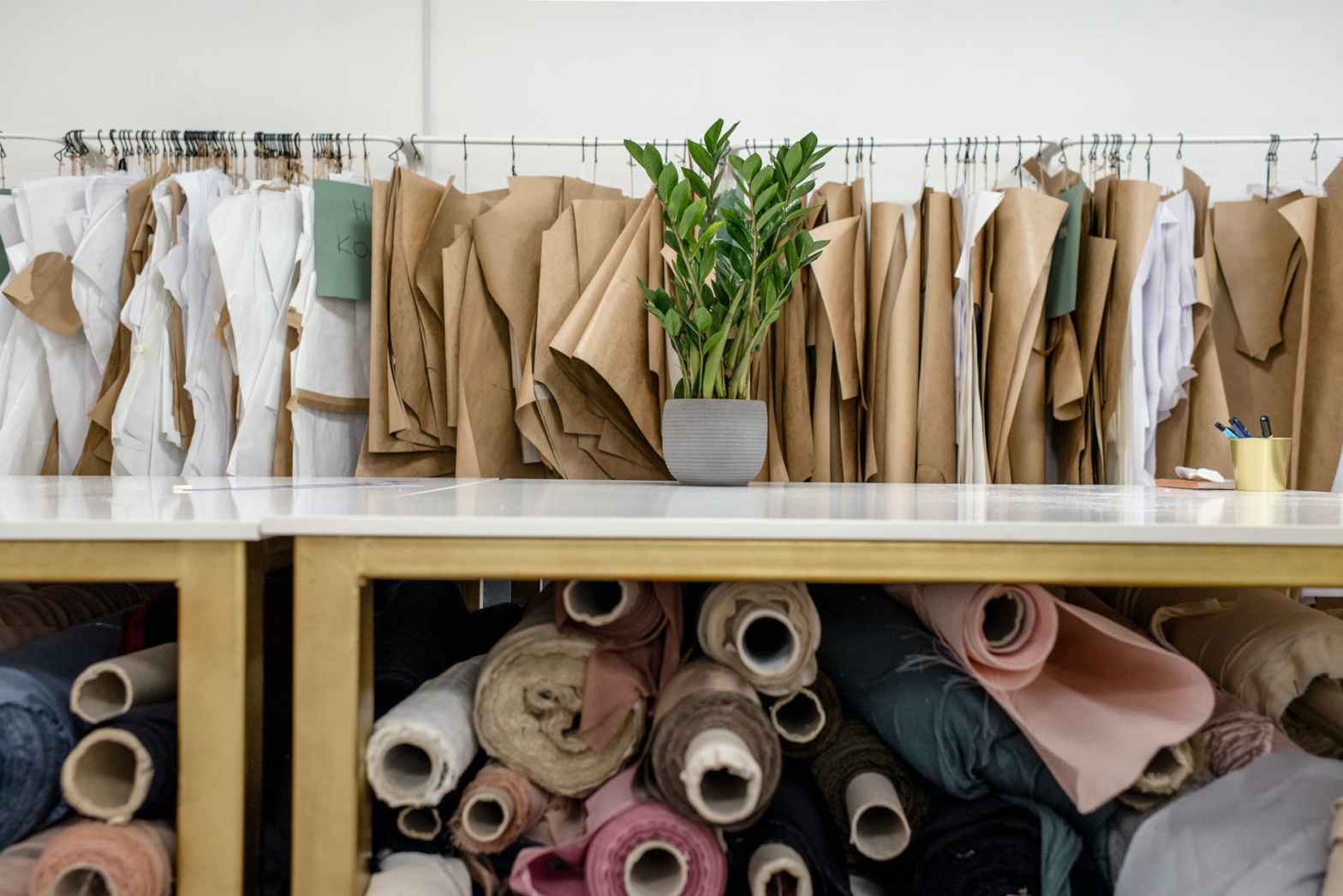
Looking to liven up your wardrobe but make it sustainable? Time for a new hobby……
Sewing your own clothes is nothing new. However, in recent times many of us have relied on fast fashion brands to quickly and cheaply turn out huge amounts of clothing for us to choose from, use and then throw away, all within a pretty quick time period. As spoken about in a previous blog post, the fashion industry has a huge environmental impact; draining water sources, producing large carbon emissions, polluting land, rivers and the sea with chemicals and fibres and creating a wealth of waste. One thing we can do is take a more creative approach and take back control over what we wear. Read on for tips on how to get started and more sustainable approaches…
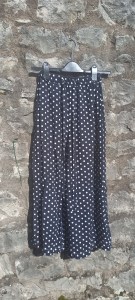
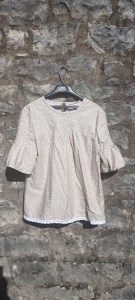
- Firstly, I wanted to start off with my own experiences. I have always enjoyed sewing and creating, and over the lockdowns of the past year I have rekindled my love of crafts. In the past 6 months or so, I have made a few items of clothing (pictured below) using sewing patterns and templates from magazines, and while it can be challenging, it is such an accomplishment to wear something you have made from scratch and even more satisfying when someone asks where you got it from and you can give the smug reply of “I made it”! My main piece of advice would be to be patient and kind with yourself – you are not a machine and are unlikely to make a perfect garment first time. I am definitely still on a journey of improving my skill, and in every project find a step/instruction which I find really difficult. I may need help, about 30 mins of repeatedly reading it like I am back in my GCSE maths exam or to just give it a go and see what the result is. Imperfections are totally fine! You are the one who is going to be wearing it, so as long as you like it and feel comfortable wearing it then go for it.


- If sewing is completely new to you, I would suggest starting by upcycling or customising an existing piece of clothing that you are not too worried about. You could try adding embroidery to a pair of jeans, a pocket to a dress, chopping the sleeves off a top or hemming some too-long trousers. Remember, it is easier than ever to give these things a go with resources like YouTube and sewing websites offering step-by-step guides.
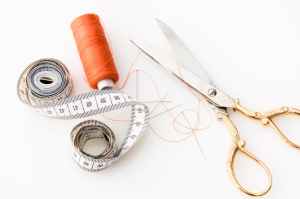
- If you really want to get into sewing and dress-making, getting a basic set up would be a good start unless you are planning on only doing projects that are feasible by hand. This could include: a sewing machine ( See Midi Sewing Machine And Sewing Kit Bundle | Hobbycraft as a starting point), thread, needles, scissors and pins as the basics, but you may also wish to purchase sewing chalk, a seam-ripper and other resources as your skill set grows (Try Hobbycraft for sewing products)
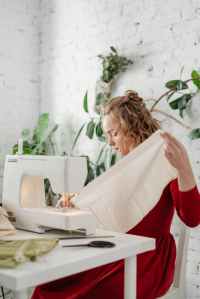
- In regards to sustainability, try to use your resources when sewing in the least wasteful way possible. This could include: cutting your pattern from the fabric in the most efficient way to reduce fabric waste, using fabric scraps for smaller projects (e.g. making face coverings), only having your sewing machine or iron on when in use, reusing or recycling any used fabric and generally being creative about the sewing process, such as using fabric from existing items of clothing to make new ones instead of buying brand new fabric.
- If you are looking for a complete resource to begin your sustainable sewing journey, try The Great British Sewing Bee: Sustainable Style by Caroline Akselson, Alexandra Bruce | Waterstones for a complete guide in choosing fabric, making alterations, fitting garments and how to work your machine.
Hopefully this has inspired your inner fashion designer to be more creative with clothes and given you a more considered view on sewing, waste and sustainability. The best thing to do is to just give it a go, you’ll learn so much more through the experience than by trying to understand other people’s processes. So sew consciously, curate your own me-made wardrobe and get creative! 🧵
Discover more from Ginger Leaf Living
Subscribe to get the latest posts sent to your email.
 Ginger Leaf Living